
Natural Heart
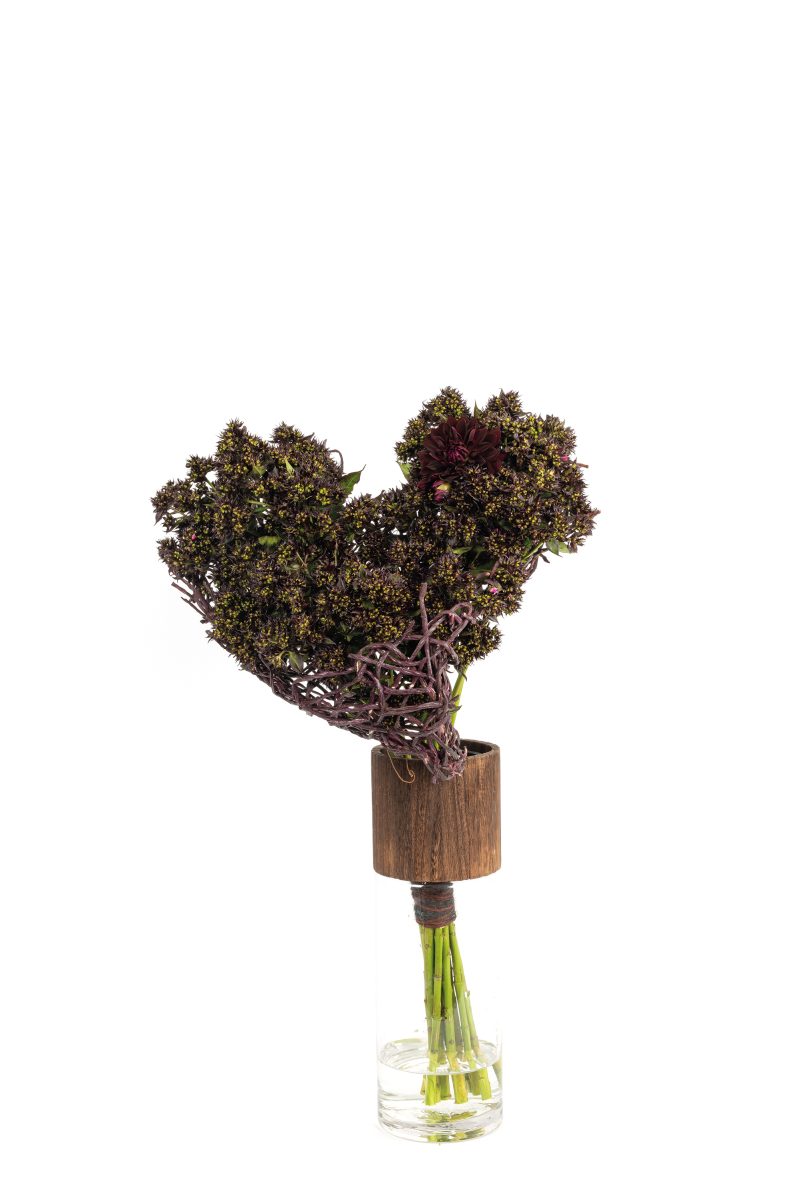
Twisted hazel branches form a heart, serving as a natural base for “Phlox van Marginpar” and dahlias. The surprising yet successful combination of materials makes this a very personal tribute.
Garland to wear
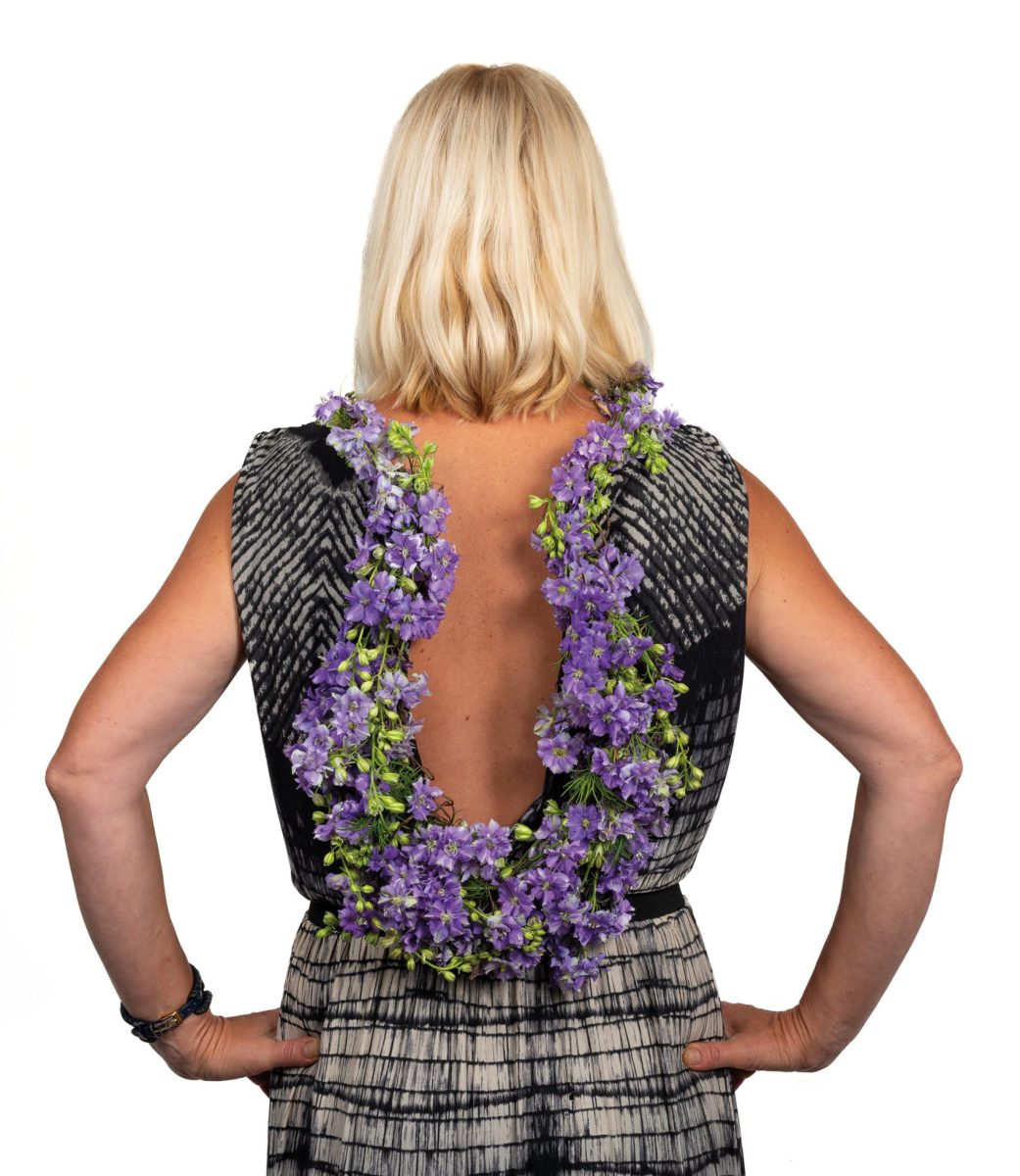
This portable floral arrangement exudes a distinct Scandinavian vibe. The garland is strung on wire and shaped to follow the backline of the dress, making it comfortable to wear. The fall color palette makes it perfect for a seasonal event or a personal farewell.
Wool Wreath
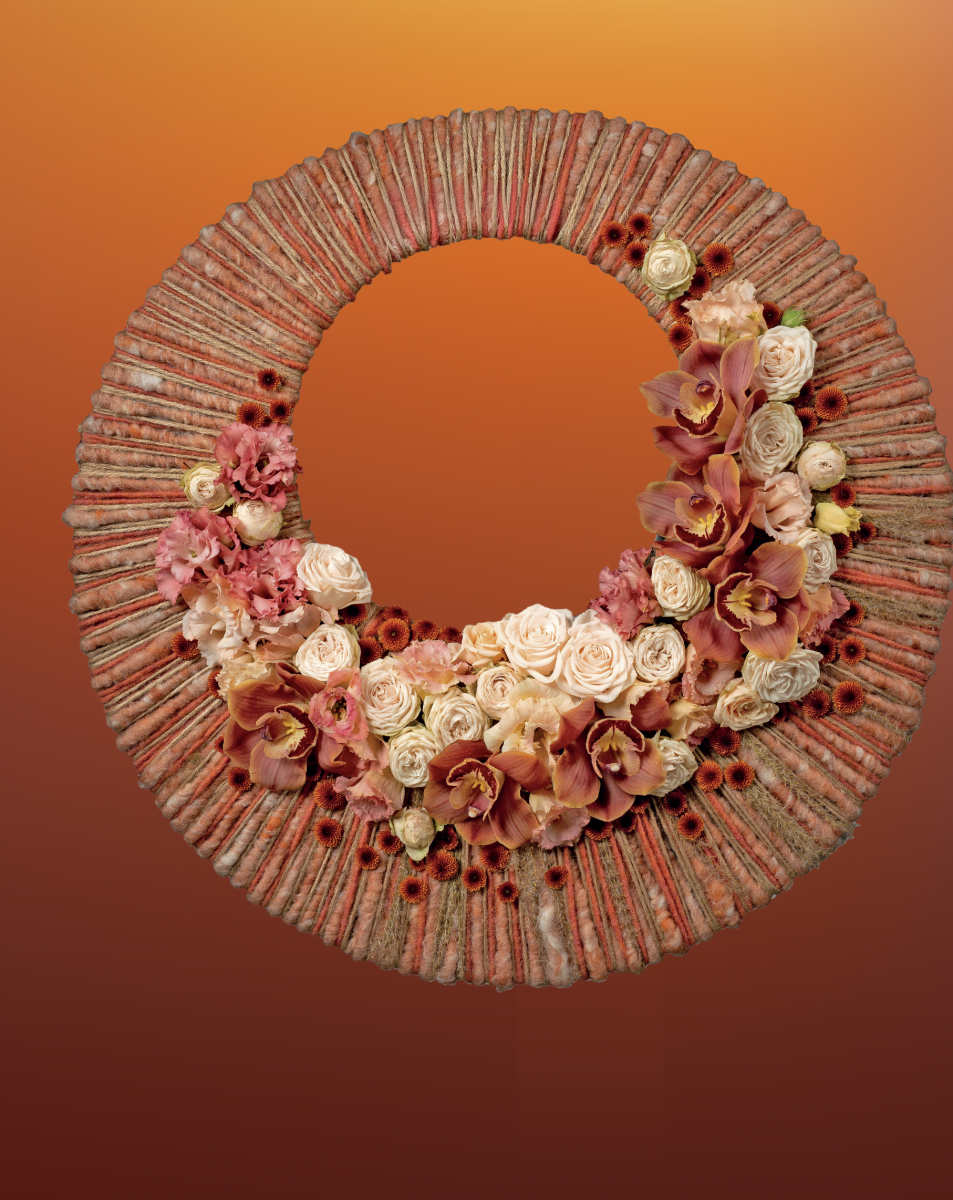
A large, wreath-shaped wire frame is covered with wool in a variety of textures. The autumn hues provide a warm backdrop for Cymbidium orchids, roses, Lisianthus, and Santini chrysanthemums. As a wall decoration, this design really stands out on a special occasion.
Like a ribbon
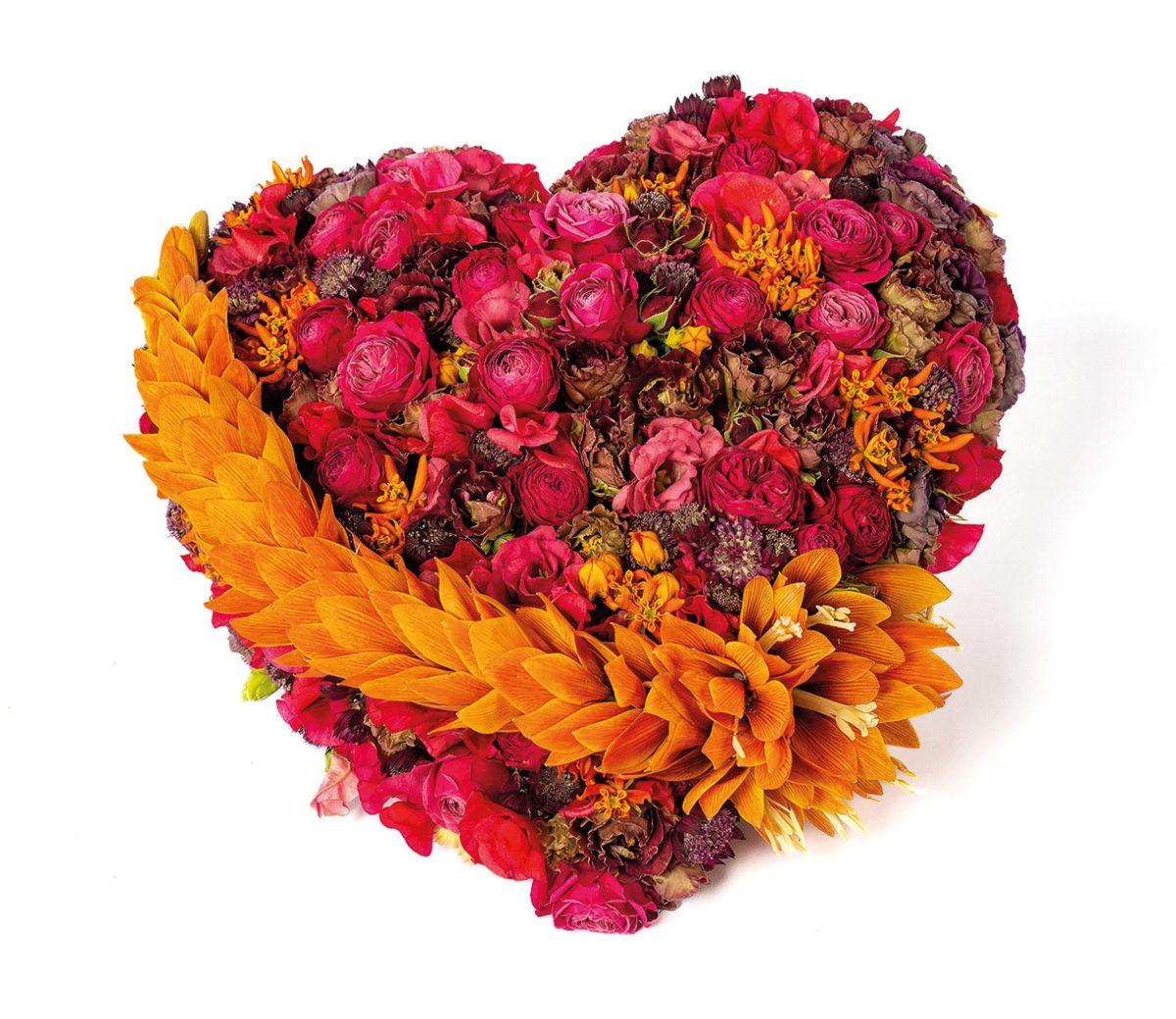
For this autumn-themed memorial arrangement, we chose an Oasis heart-shaped base and flowers that aren’t typically associated with funeral arrangements. Cluster roses, astrantia, jatropha, and amaryllis drape over the base like a ribbon.
Memories of Fall
In this series with an autumnal vibe, the ambassadors of Floral Fundamentals show how to use seasonal flowers for special occasions and a personal farewell. From wearable floral arrangements and a tactile wall piece to hearts, wreaths, and a floral arrangement centered around a candle: structure and materials give the autumn flowers their own spotlight each time. Wire, wool, grasses, and sculpted bases create interplay of lines, depth, and texture in designs ranging from body adornments to funeral arrangements.
A Personalized Farewell
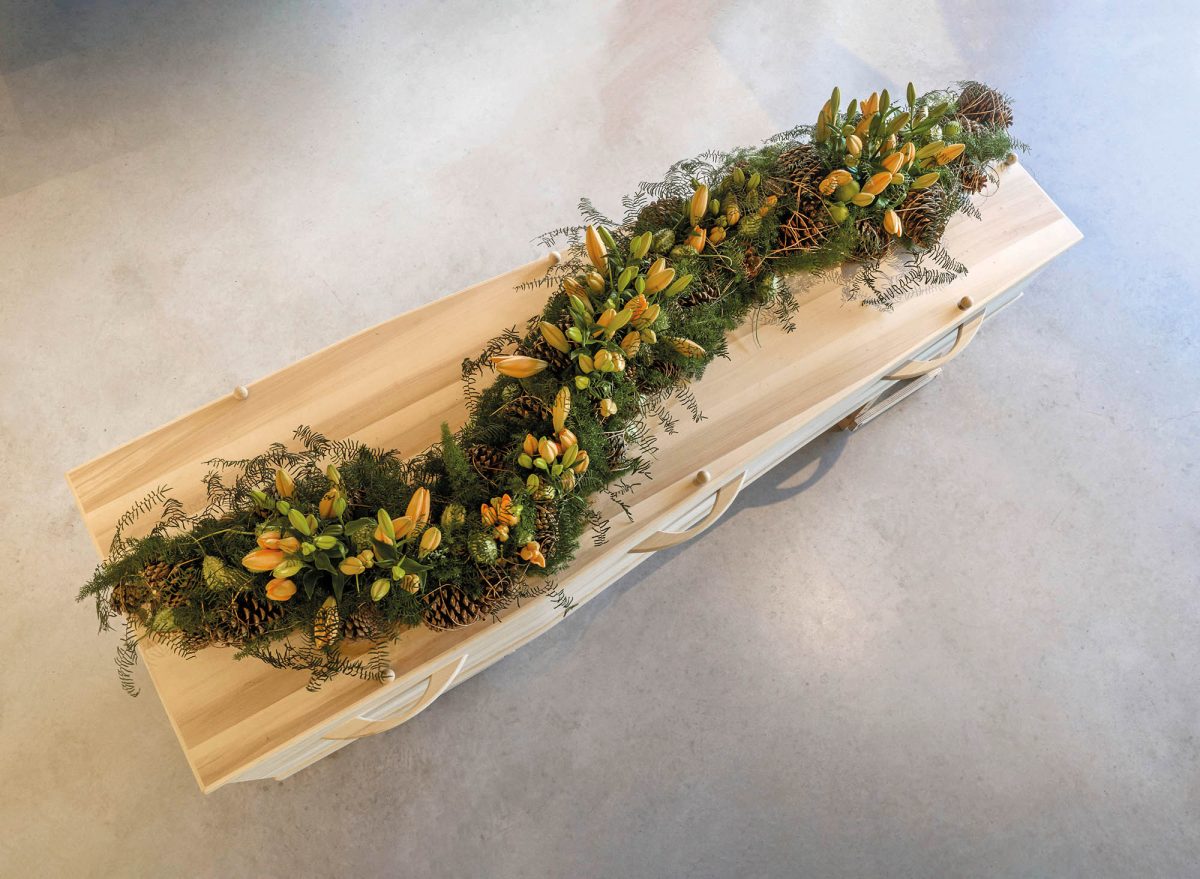
Customization is becoming the norm in today’s funeral floral arrangements. Bereaved families are increasingly choosing colors, shapes, and materials that reflect the personality of the person they are saying goodbye to. A handwritten message, a favorite flower, or an unexpected presentation makes all the difference. At the same time, new solutions are emerging around reusability, biodegradable materials, and natural burial grounds. This special issue shows how current developments and inventive craftsmanship come together in floral arrangements that are shaped not by fixed conventions, but by a personal story.