
A Decade of Floral Splendor at Gardens by the Bay
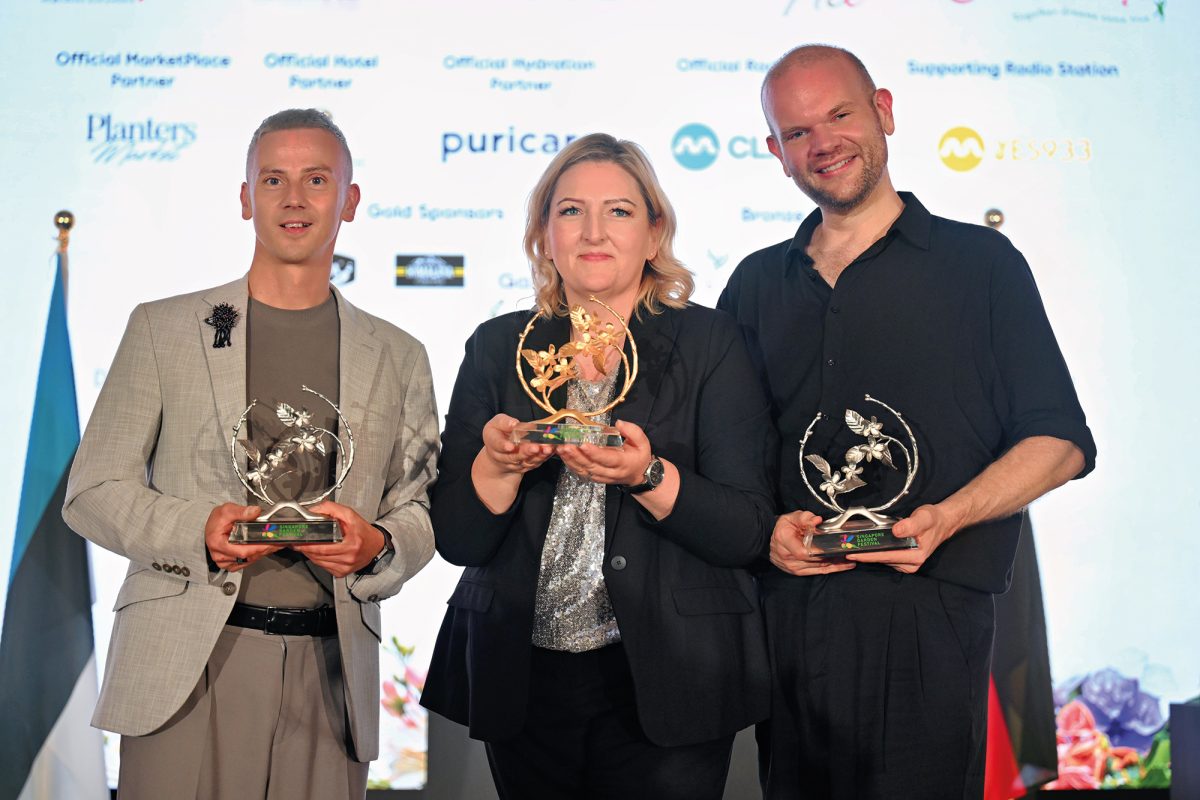
There are moments on a live stage that no script can prepare you for. Hosting the tenth edition of the Floral Windows to the World Championship during the Singapore Garden Festival gave host Morgan Nuth more than his share of those moments. He describes his experiences during this special event for DPK Floral Magazine .
Lovely Lathyrus
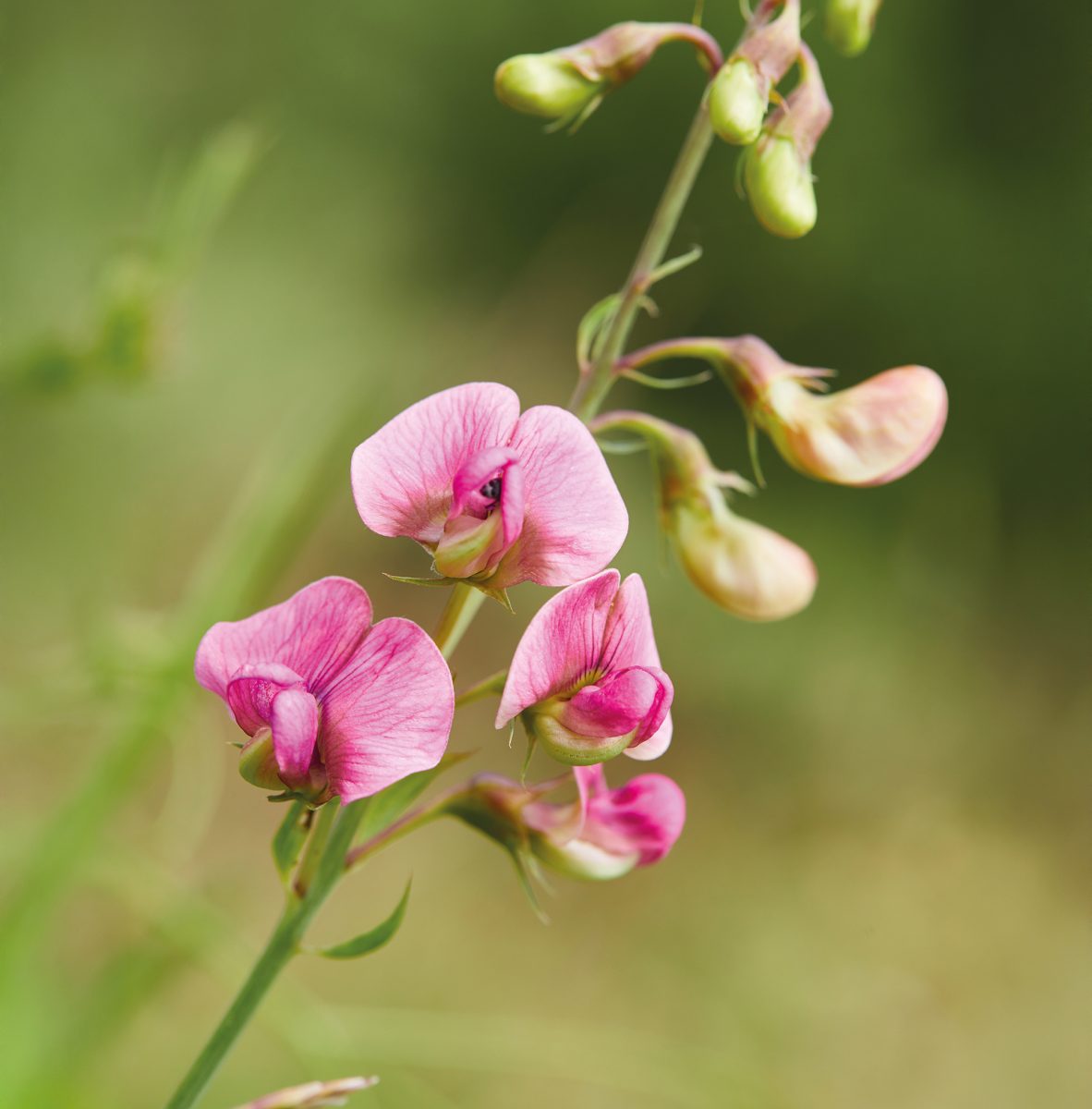
They aren’t large in stature, but they are impressive nonetheless. What’s more, they have been part of our lives for many centuries and are deeply woven into our culture: the Lathyrus has always enchanted us with its unique fragrance and elegant form. The Dutch names “pronkerwt” and “siererwt” refer to its elegant shape, and the name “reukerwt” emphasizes its delightful scent. Worldwide, the English name “Sweet Pea” is often used.
Memories of Fall
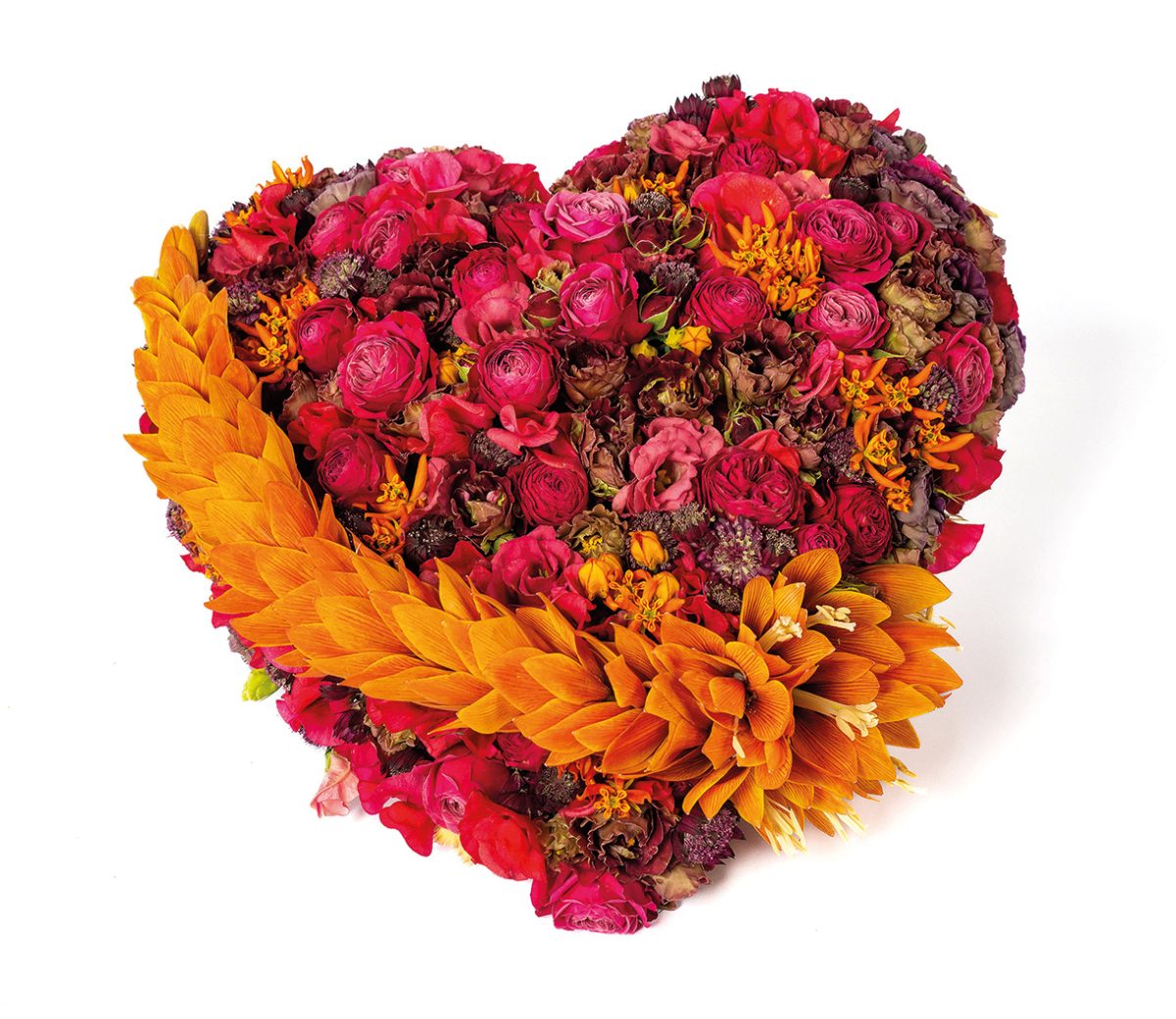
In this series with an autumnal vibe, the ambassadors of Floral Fundamentals show how to use seasonal flowers for special occasions and a personal farewell. From wearable floral arrangements and a tactile wall piece to hearts, wreaths, and a floral arrangement centered around a candle: structure and materials give the autumn flowers their own spotlight each time. Wire, wool, grasses, and sculpted bases create interplay of lines, depth, and texture in designs ranging from body adornments to funeral arrangements.
A Personalized Farewell
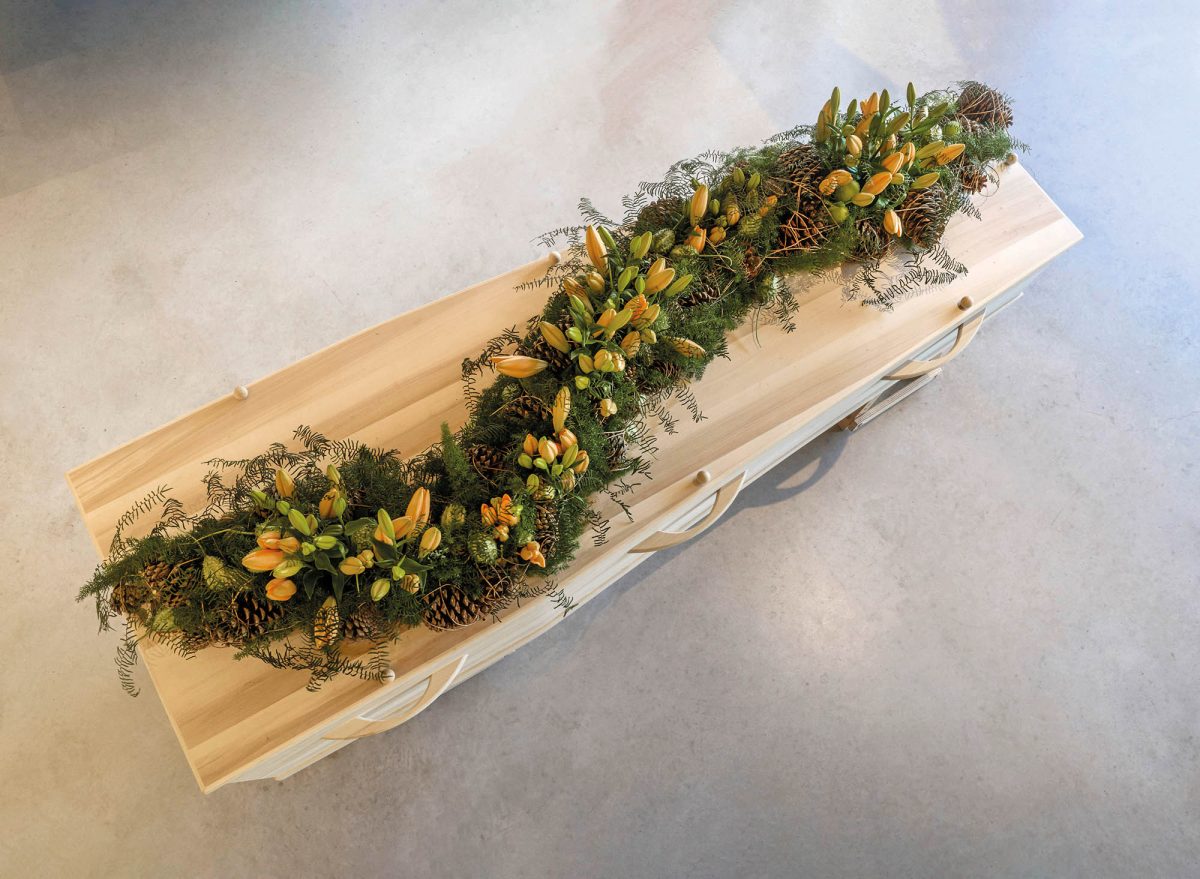
Customization is becoming the norm in today’s funeral floral arrangements. Bereaved families are increasingly choosing colors, shapes, and materials that reflect the personality of the person they are saying goodbye to. A handwritten message, a favorite flower, or an unexpected presentation makes all the difference. At the same time, new solutions are emerging around reusability, biodegradable materials, and natural burial grounds. This special issue shows how current developments and inventive craftsmanship come together in floral arrangements that are shaped not by fixed conventions, but by a personal story.
Autumn in Motion
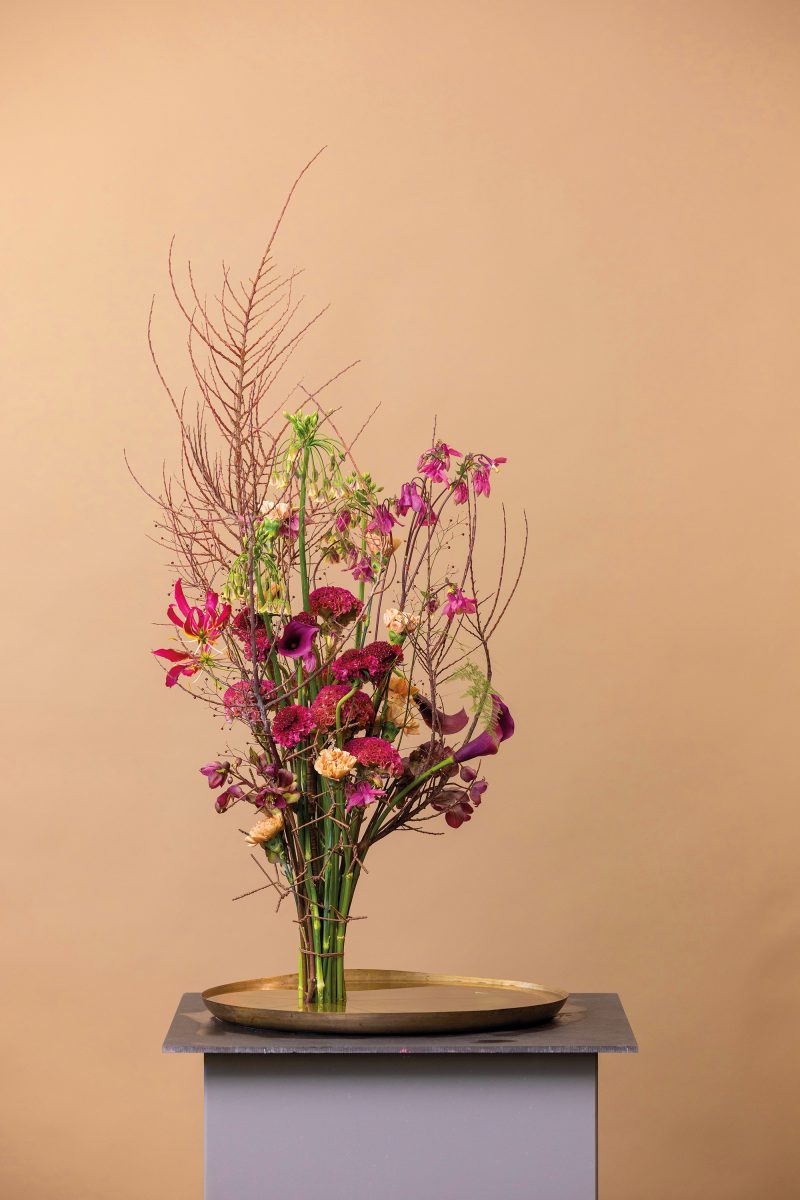
This fall is about more than just warm colors and familiar seasonal materials. New arrangements are pushing the boundaries of the bouquet, while 3D techniques and reusable bases open up new possibilities for design and production. Materials from nature meet cultivated flowers; grand, eye-catching arrangements are complemented by compact, commercially accessible variations. In this way, the season becomes a testing ground for balance, form, and technique. This special issue showcases how experimentation and craftsmanship are shaping the autumn tradition.
Standing bouquets

“A striking development in floral art is the rise of freestanding bouquets. This fascinates me because it challenges us to define more clearly what a bouquet actually is. The concept has its origins in the bound works from Gregor Lersch’s *Standing Ovations*, in which botanical materials were bound to structures. Since then, designers such as Lersch and Frédéric Dupré have adapted this technique for use in bouquets.”
During the 2025 International Floristry Teacher Seminar, international floristry instructors at our school arrived at this definition of a hand-tied bouquet: tied by hand, with a single dominant binding point, allowing flowers to be supplied with water and maintaining its shape when moved from the binding point.
This definition leaves the choice of technique open: sheaf-style, parallel, or, for example, binding at a single point. Whichever you choose, what matters is craftsmanship, durability, respect for the material, and a strong aesthetic appeal. Still, the debate will likely continue: when is something truly “hand-bound”? How many tubes are allowed?
“It is precisely this exploration of boundaries and the freedom that comes with it that makes freestanding bouquets interesting and results in surprising designs: florists can experiment with balance, proportion, and construction. This technique is now also being taught in various programs at the Boerma Institute.”