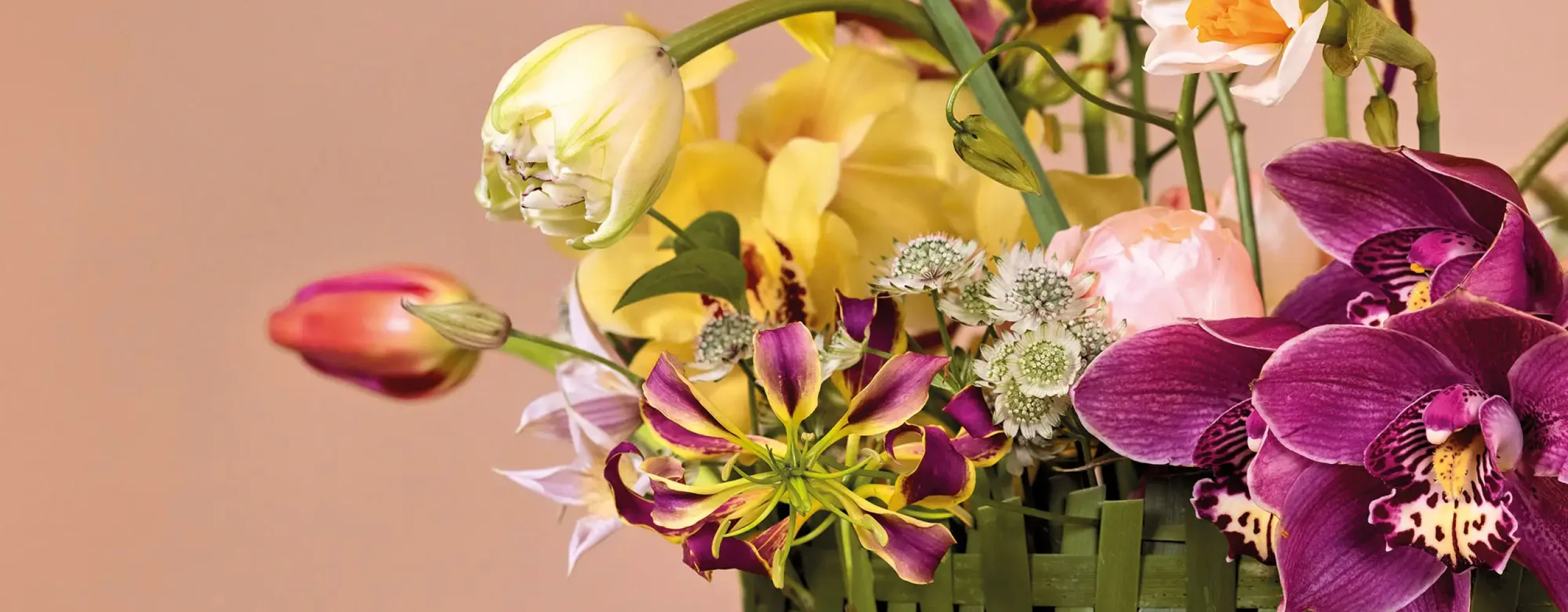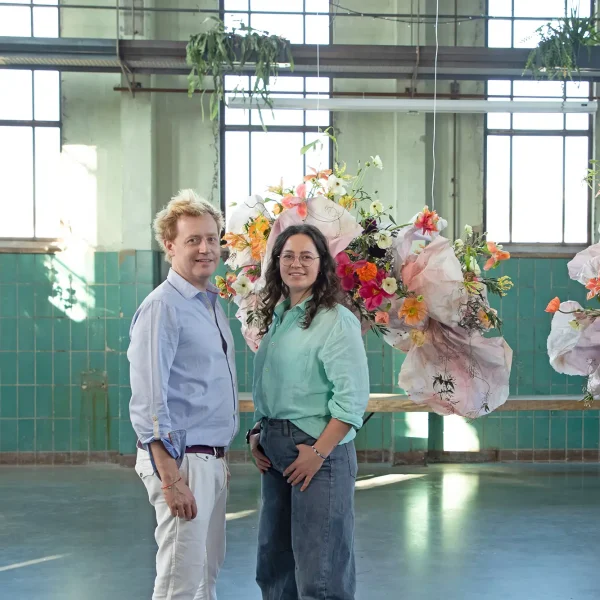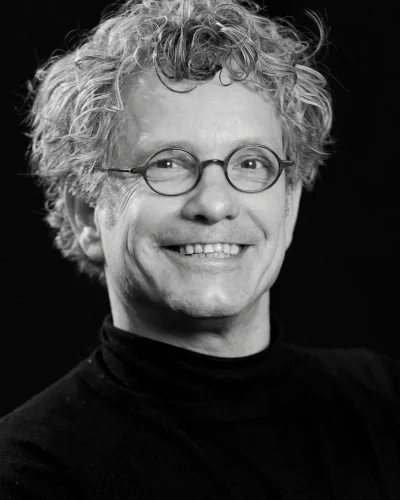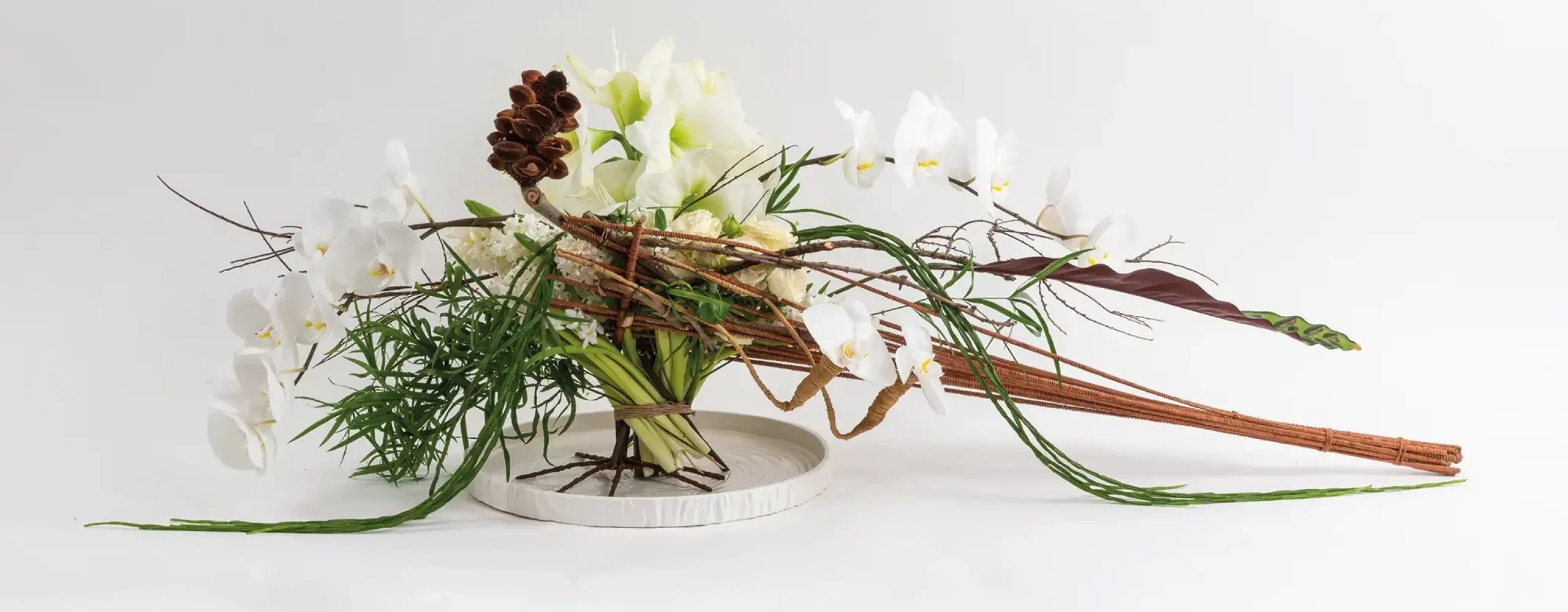
During each Floral Fundamentals photo shoot, ambassadors are invited to create seasonal arrangements that reflect their daily practice. For this series, the focus was on spring work that is commercially applicable to a variety of markets. In doing so, we deliberately looked at differences in approach between countries. These differences are not only visible in the choice of materials and use of color, but also in form, structure, and decorativeness. The arrangements show how diverse the interpretation of "spring" can be.
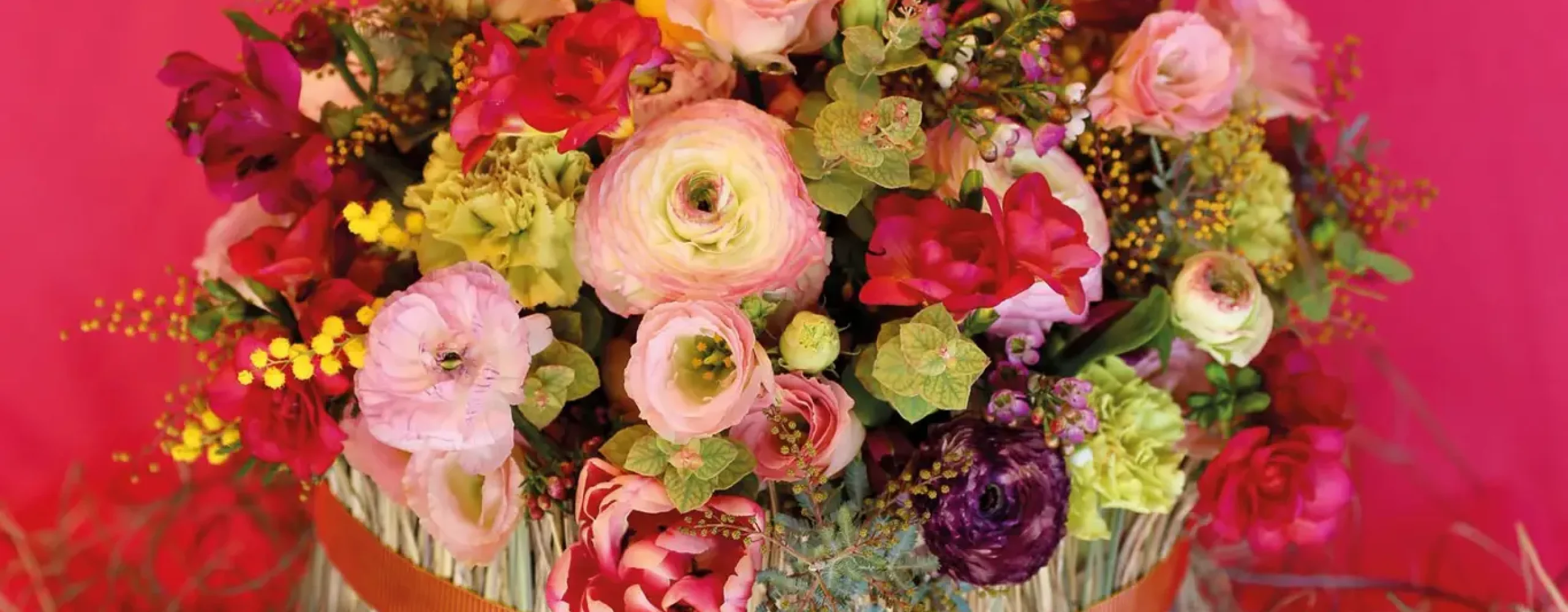
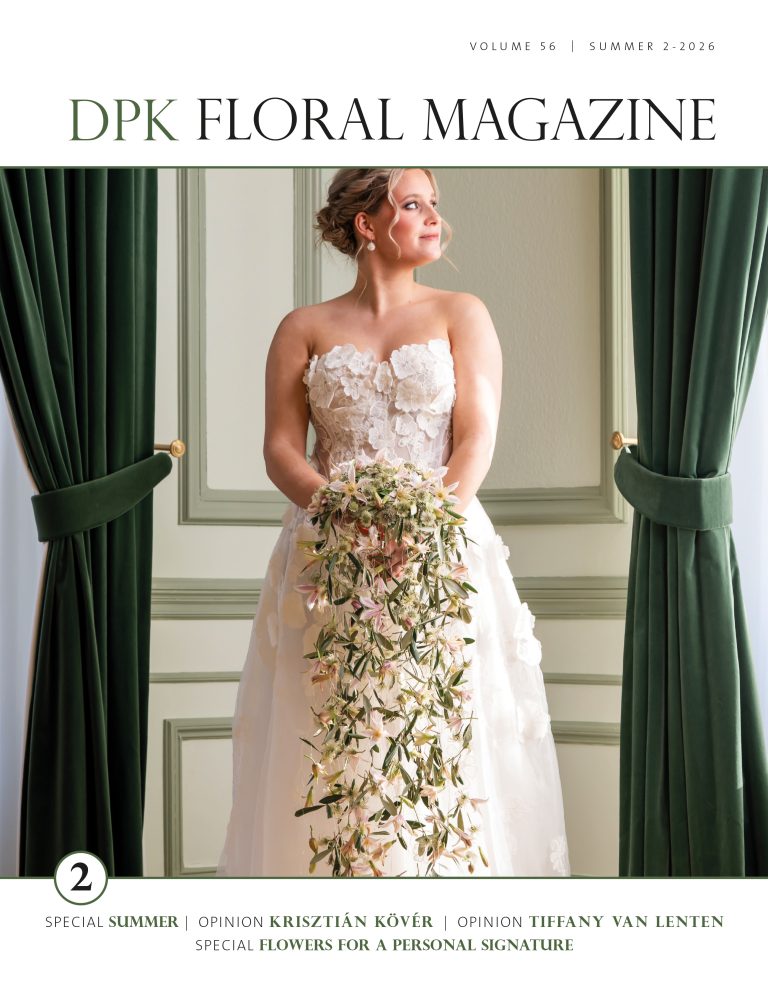
Over the years, every floral designer develops their own signature style. Not a fixed formula, but a recognizable way of working: choice of materials, proportions, technique, and atmosphere. In this special edition, DPK Floral Magazine brings together DPK Floral Magazine selection of such signature bouquets: designs in which personal style and craftsmanship take center stage.
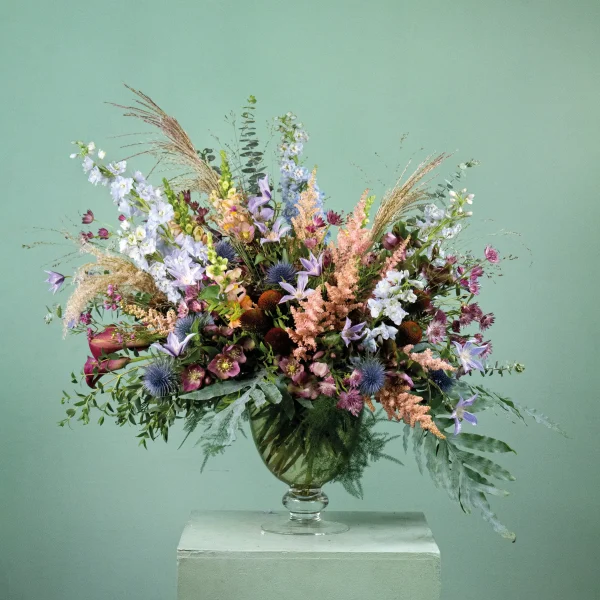
Every year, Marginpar asks a leading designer to compile a Floral Trend Report to inspire fellow professionals. For 2026, that designer is Mike Boerma. His work takes him all over the world, while international influences converge in Aalsmeer through the Boerma Institute. This constant interaction forms the basis of his trend overview.
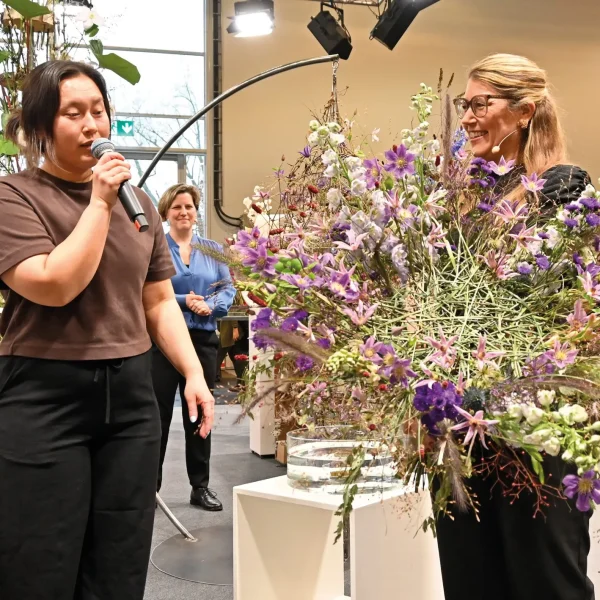
Many trade visitors from the flower and plant industry came to IPM Essen from January 27 to 30. For florists, Creative Hall 5 was the place to be. Here, on the IPM Flower Stage, a rotating stage, floral trends and live shows were put in the spotlight for four days. The stands surrounding the flower theater featured presentations by the shows' main sponsors, including Marginpar, Decorum, FLOOS, and Smithers-Oasis.
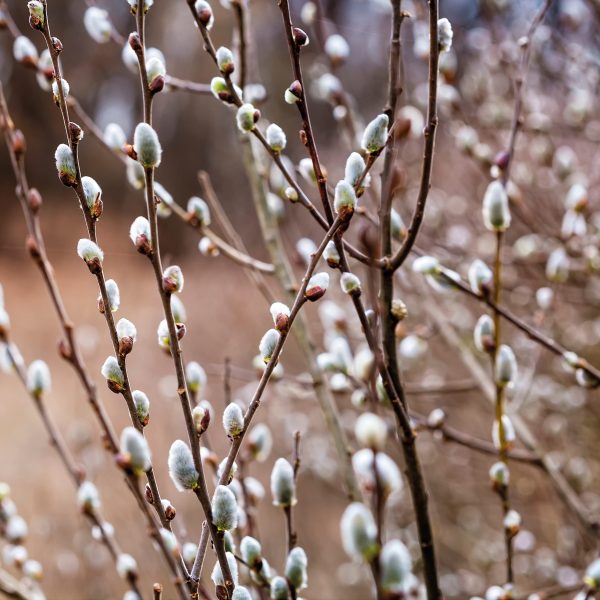
Some seemingly simple materials turn out to be surprisingly versatile. The goat willow (Salix caprea) is a good example of this. Modest in appearance, but abundant in the Dutch landscape. Willow grows wherever the soil contains sufficient water. It is a tree that is deeply rooted in our culture and craftsmanship.
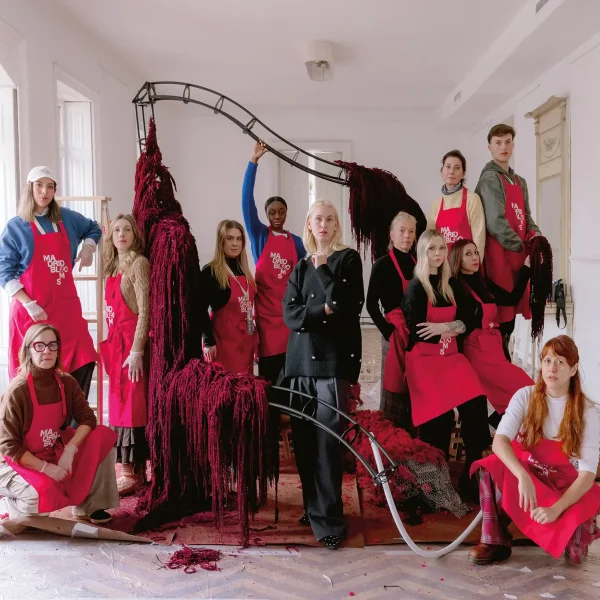
Sylvia Bustamante Gubbins believes in the power of flowers. She is the founder and director of Madrid Flower School and organizer of Madrid Blooms: the annual international congress for design and innovation in floral creation. According to Sylvia, the sector is more relevant than ever.
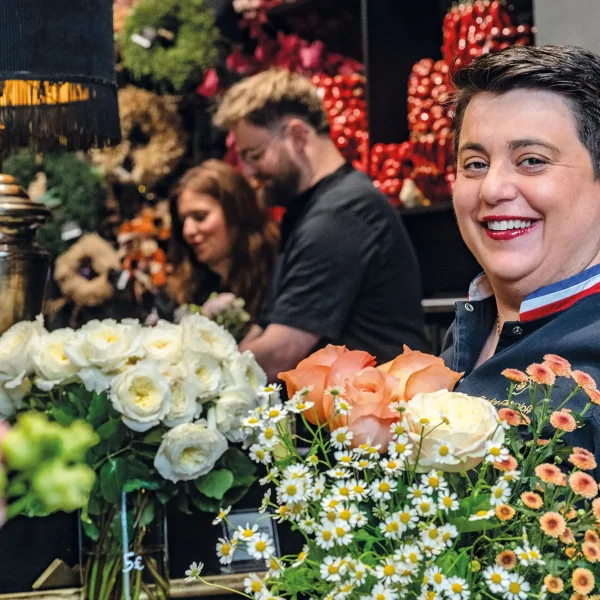
French florist Charline Pritscaloff expresses her passion for her profession in various ways. She has owned two flower shops for years, won prestigious awards, and holds various volunteer positions within the sector. Where does she find her inspiration? And how does she view developments within the sector?
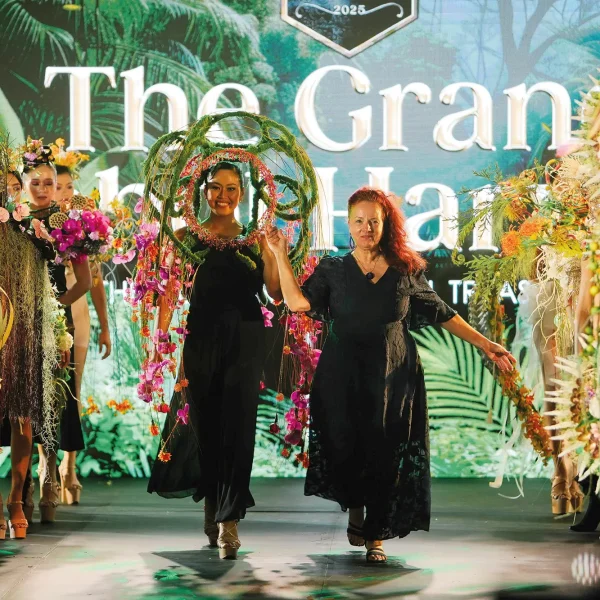
At the end of November, the third edition of the Bohol International Flower, Fashion & Food Festival (BIFF) on the Philippine island of Bohol took on a distinctly couture character. In and around Grand Resort Bohol, no fewer than 27 (inter)national floral designers collaborated on a show evening in which flowers, fashion, and experience came together during the Couture in Bloom show. Floral designer Lily Beelen represented the Netherlands.