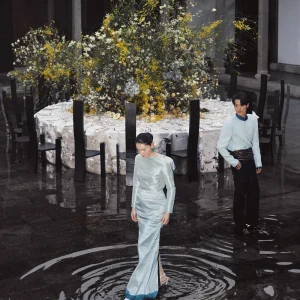
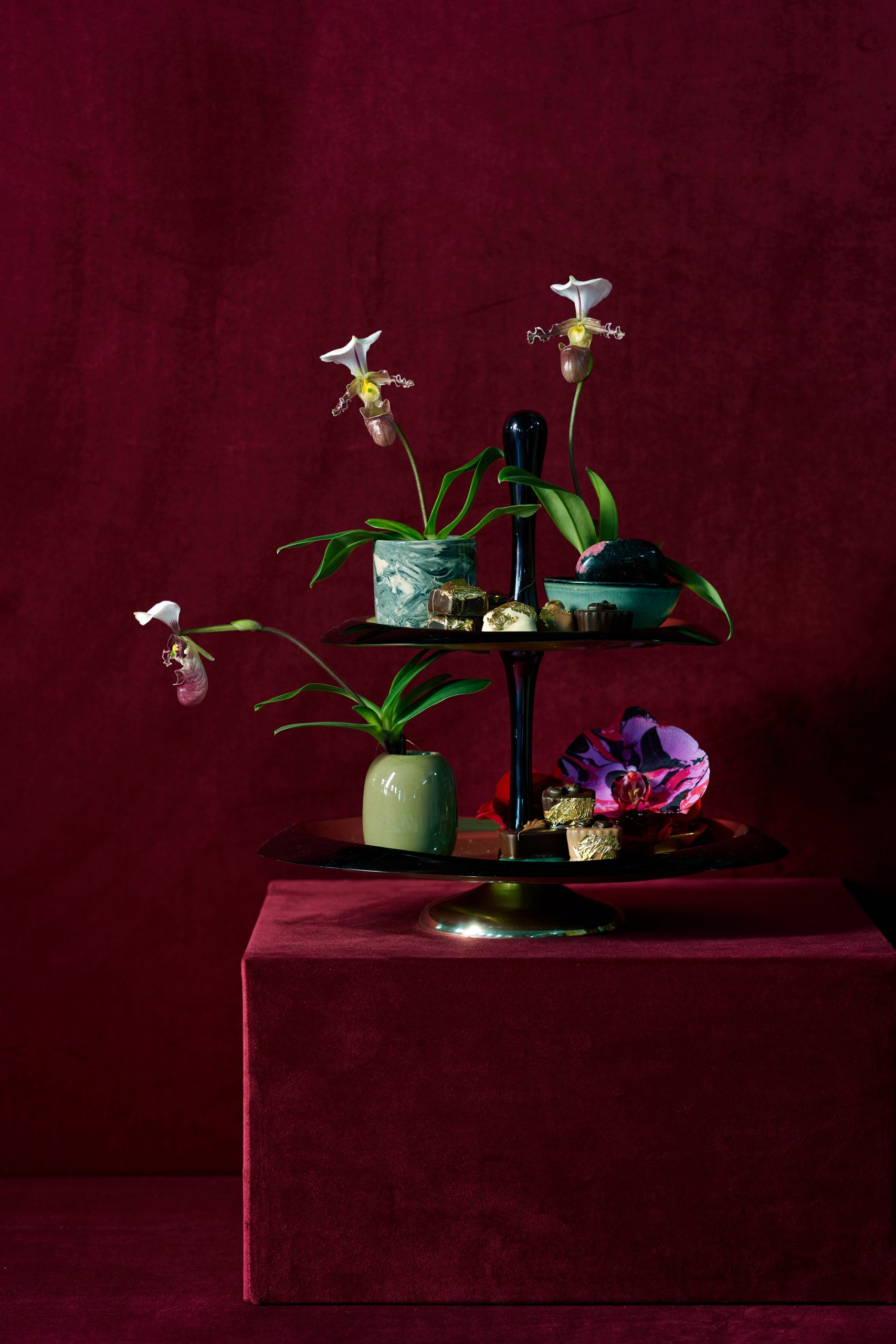
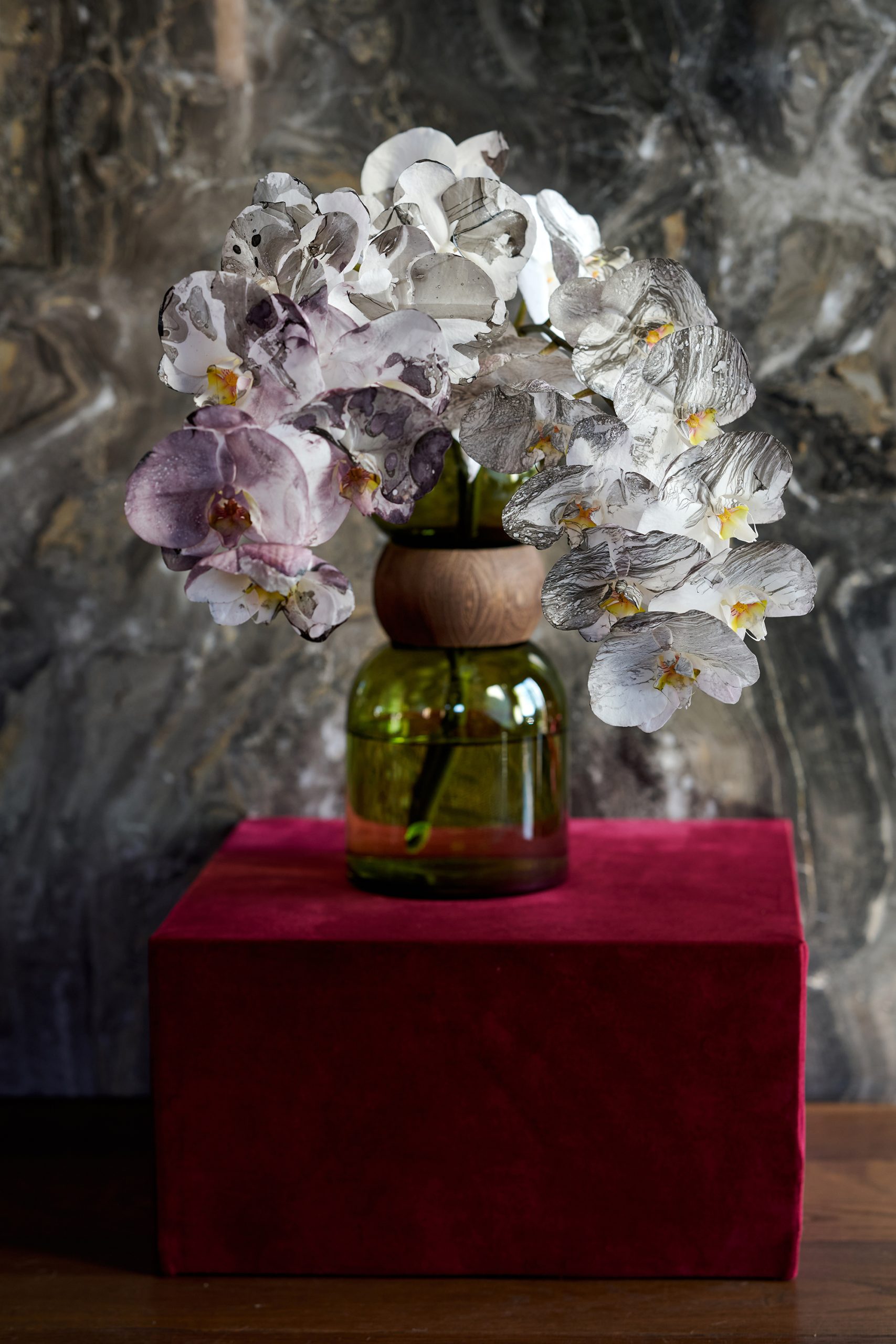
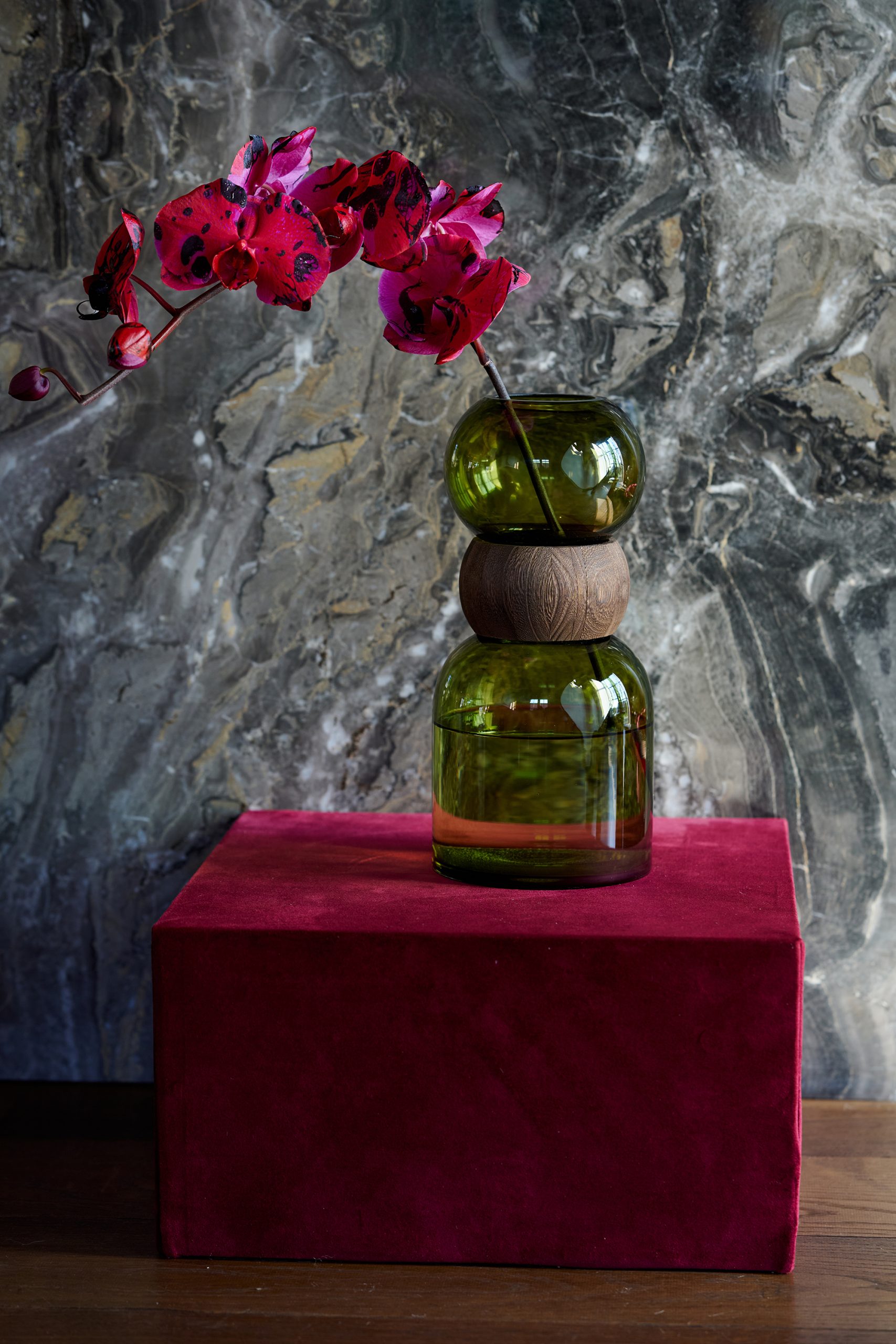
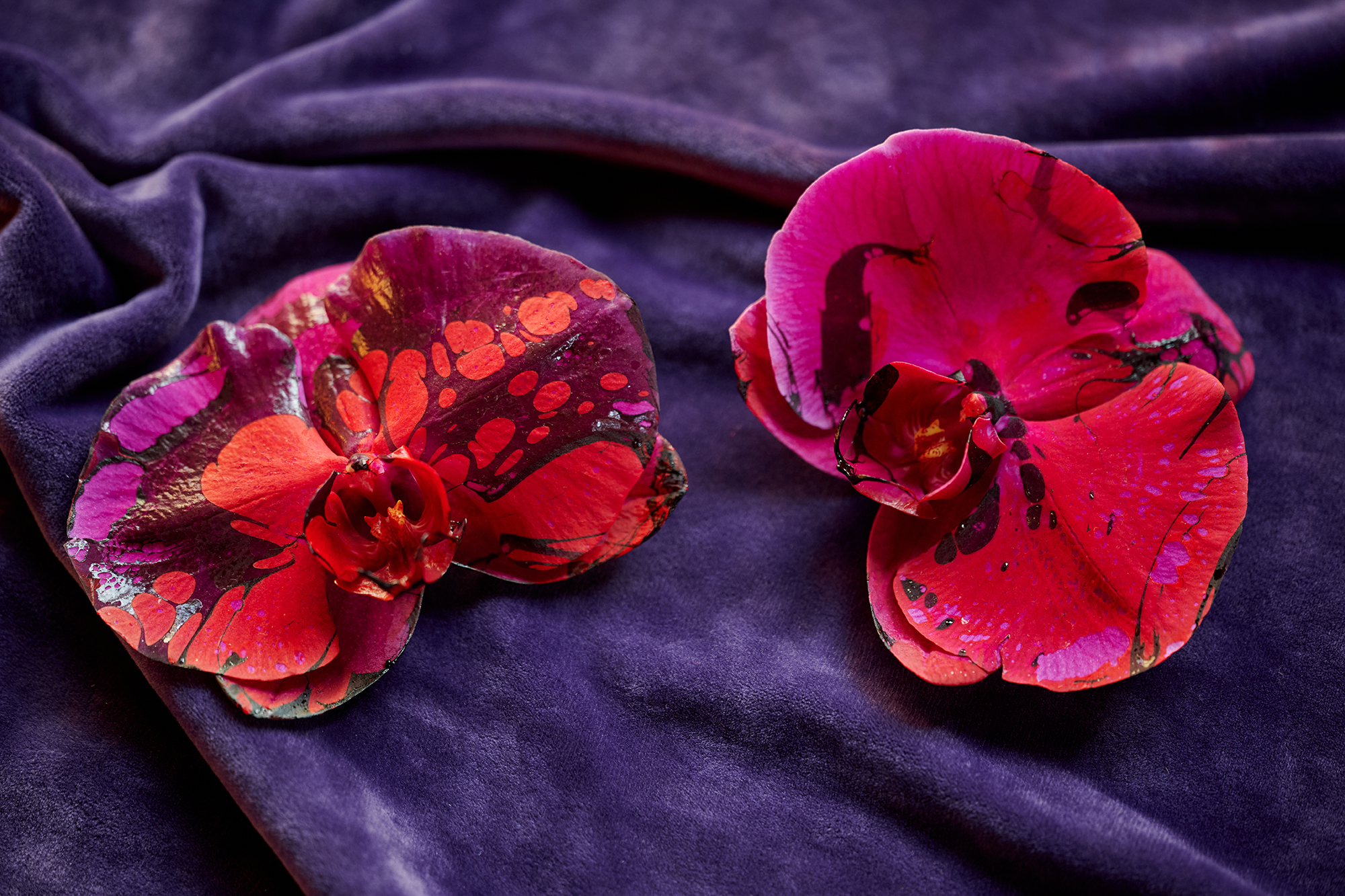
When certainties disappear, some consumers feel a growing need for clarity and structure. Success becomes more visible, and luxury becomes more explicit.
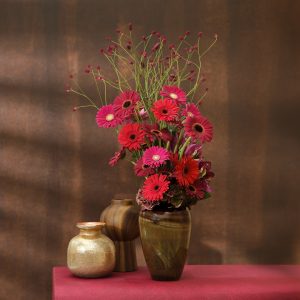
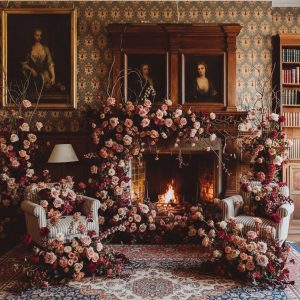
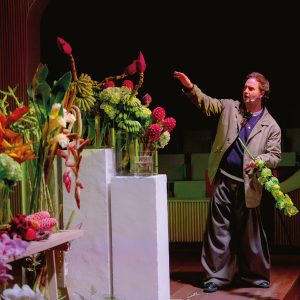
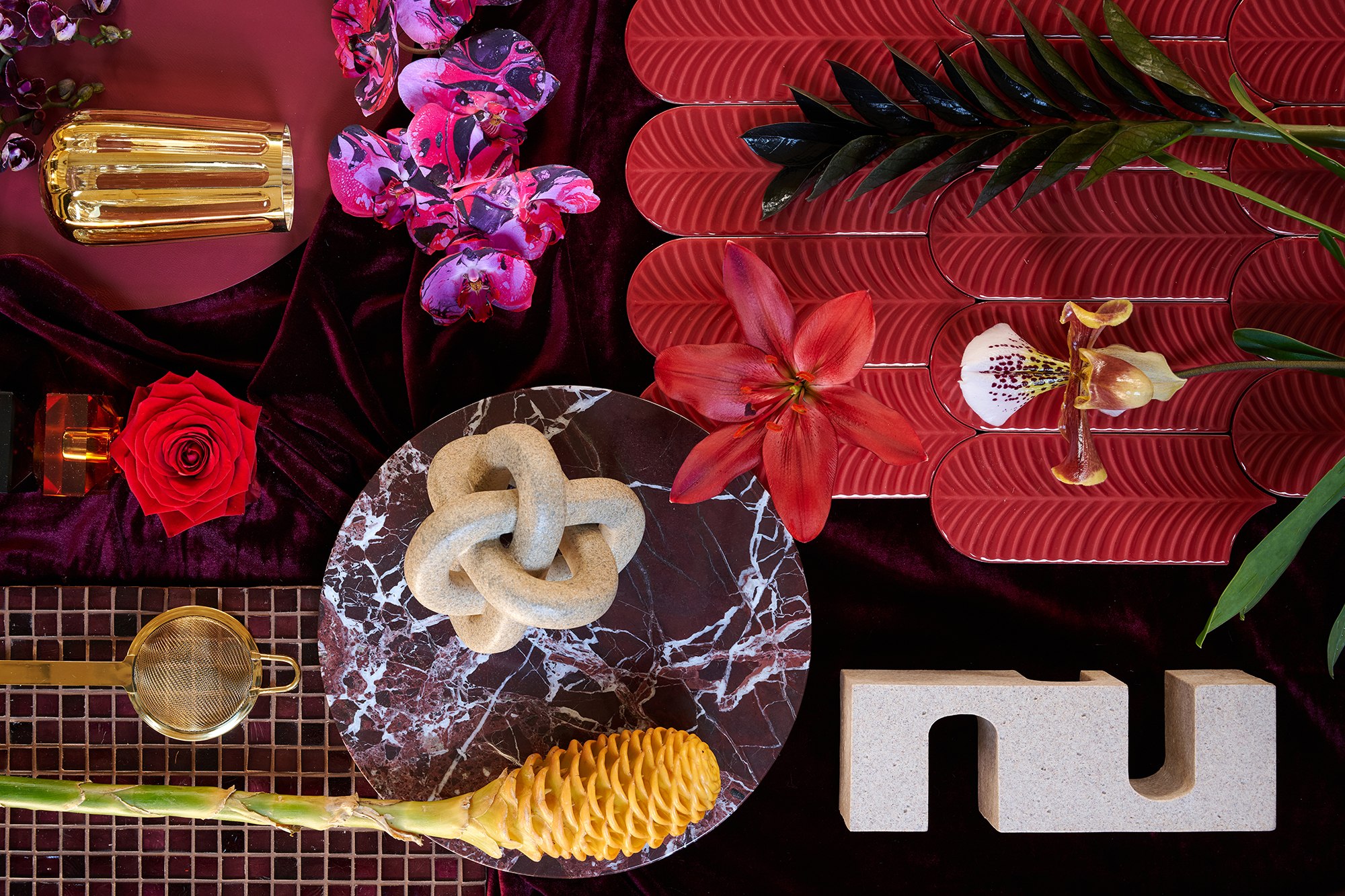
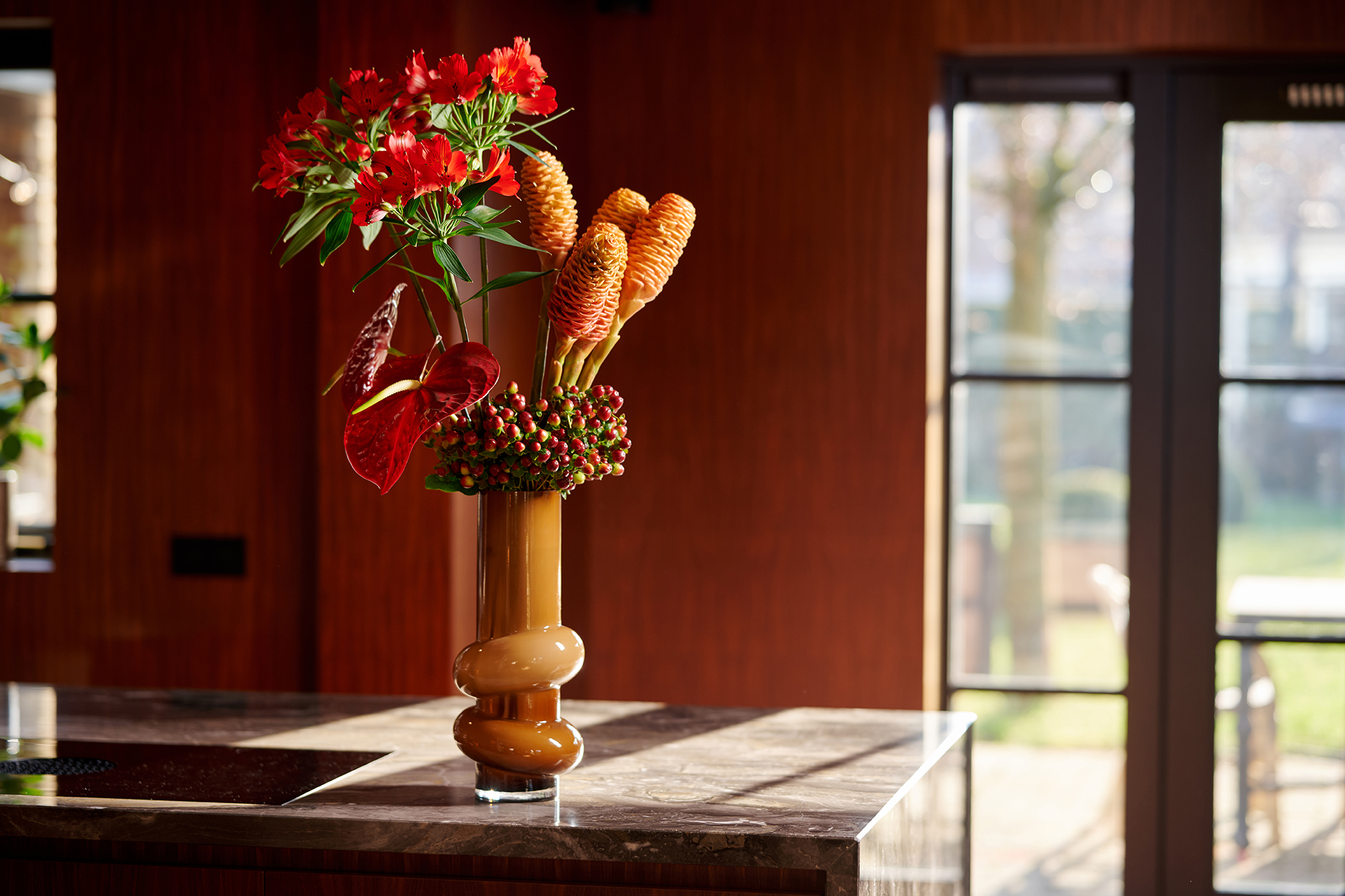
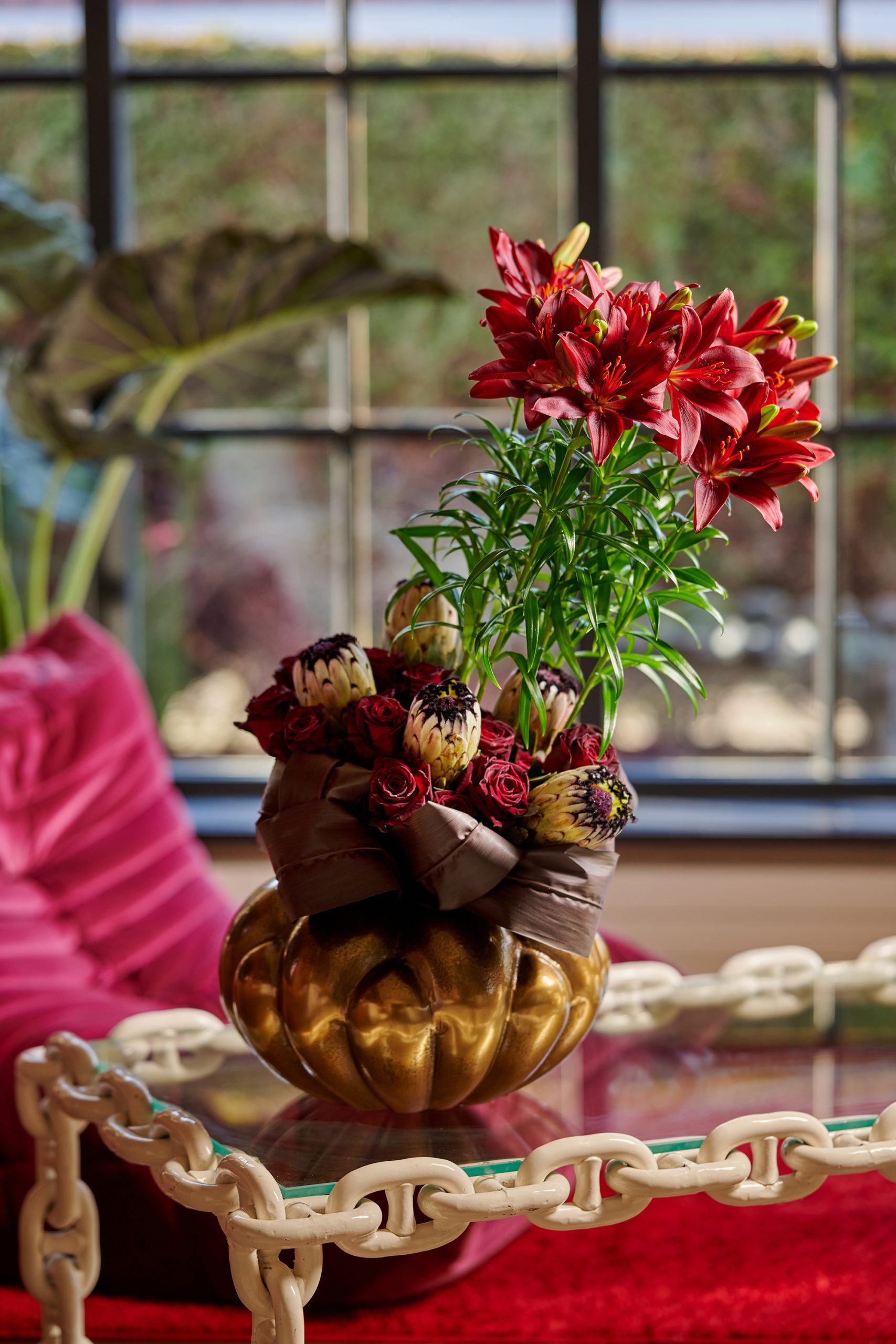
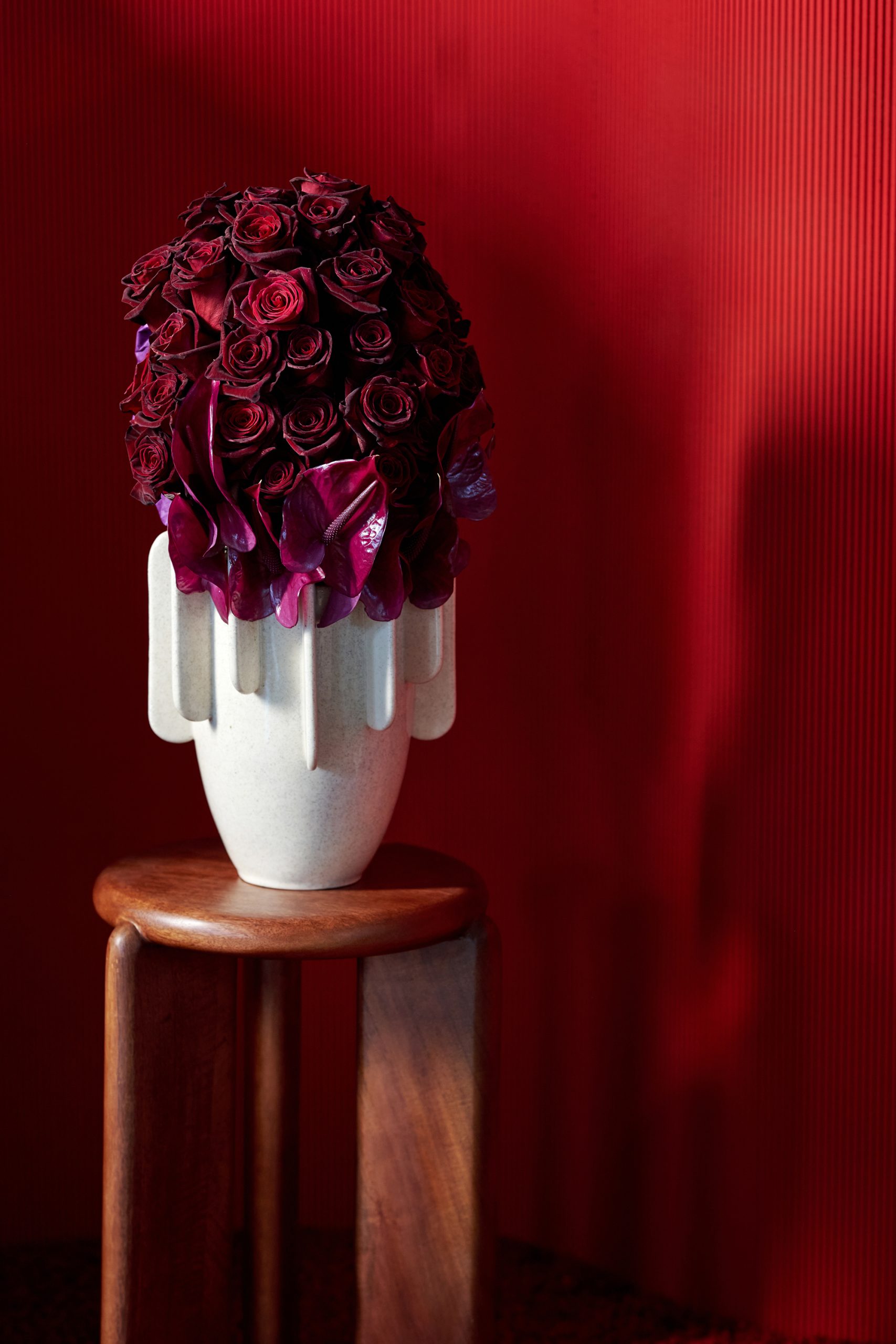
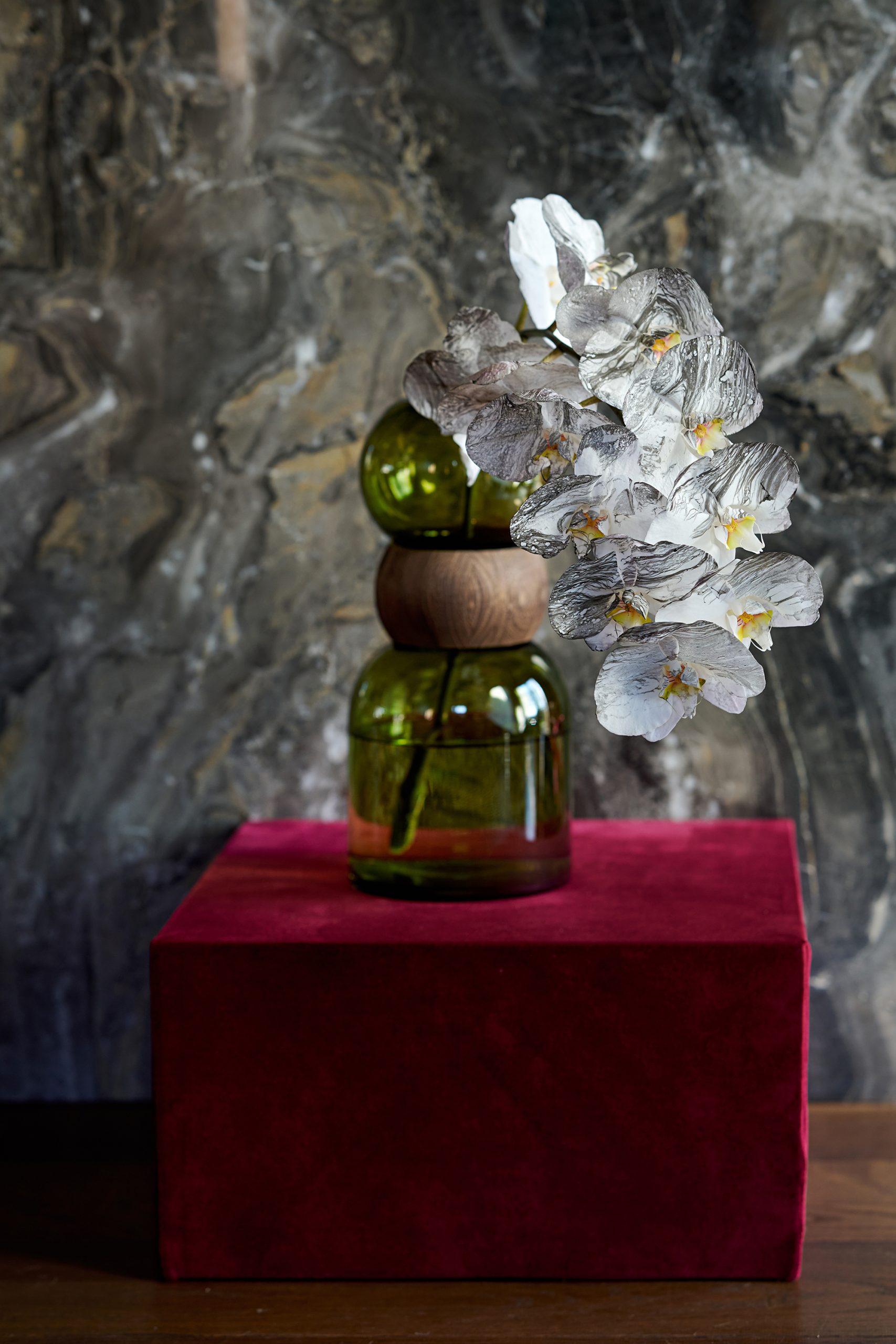
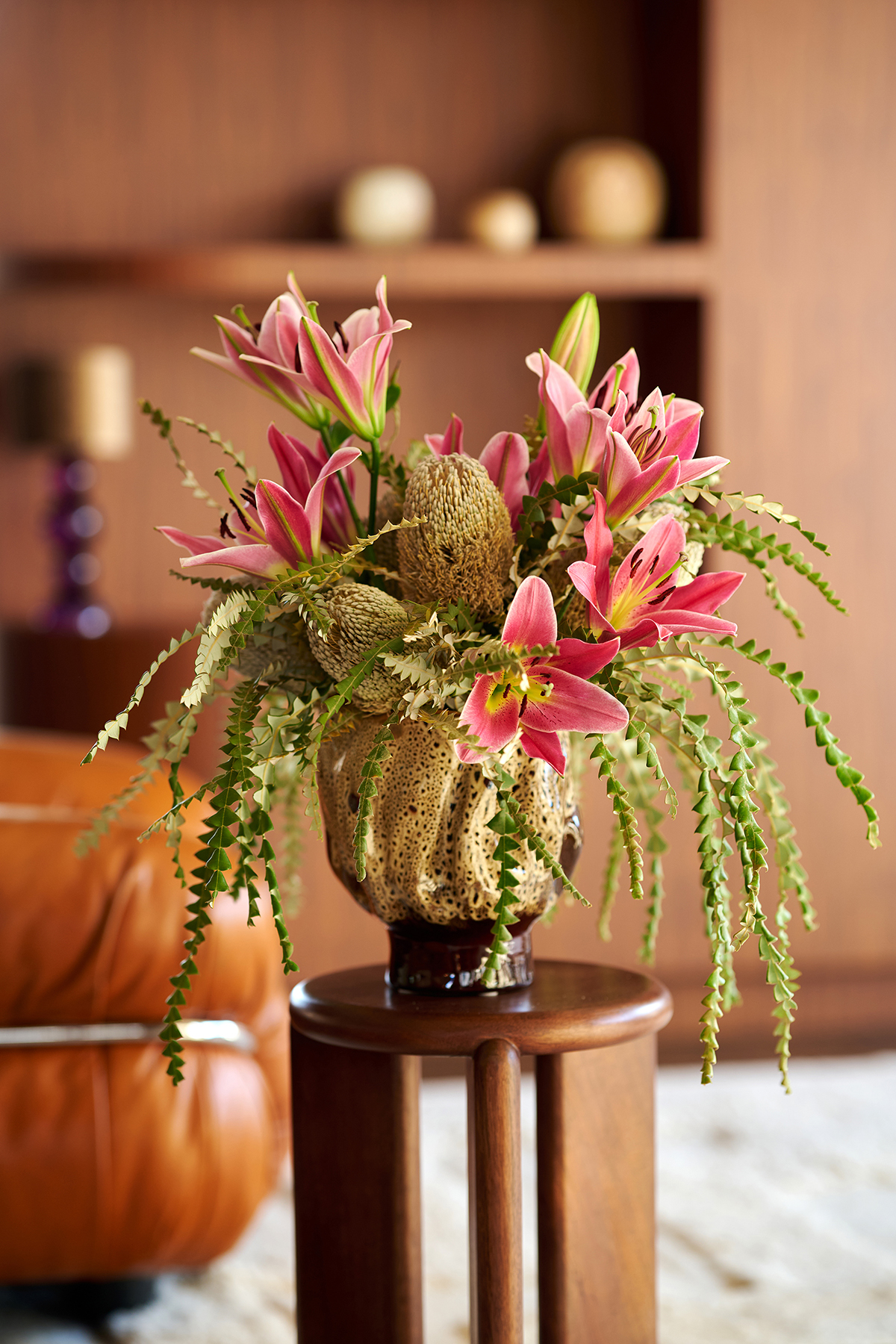
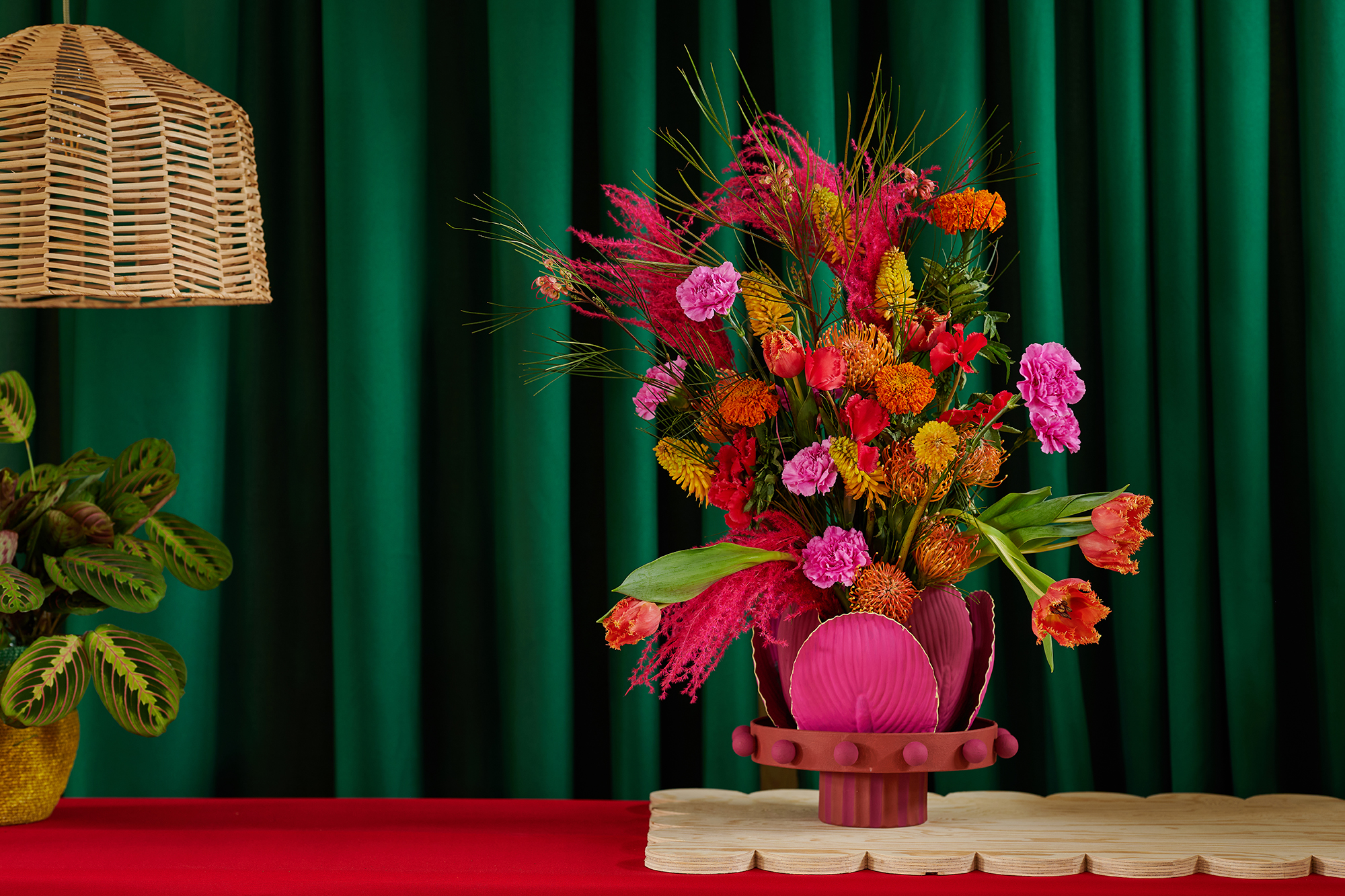
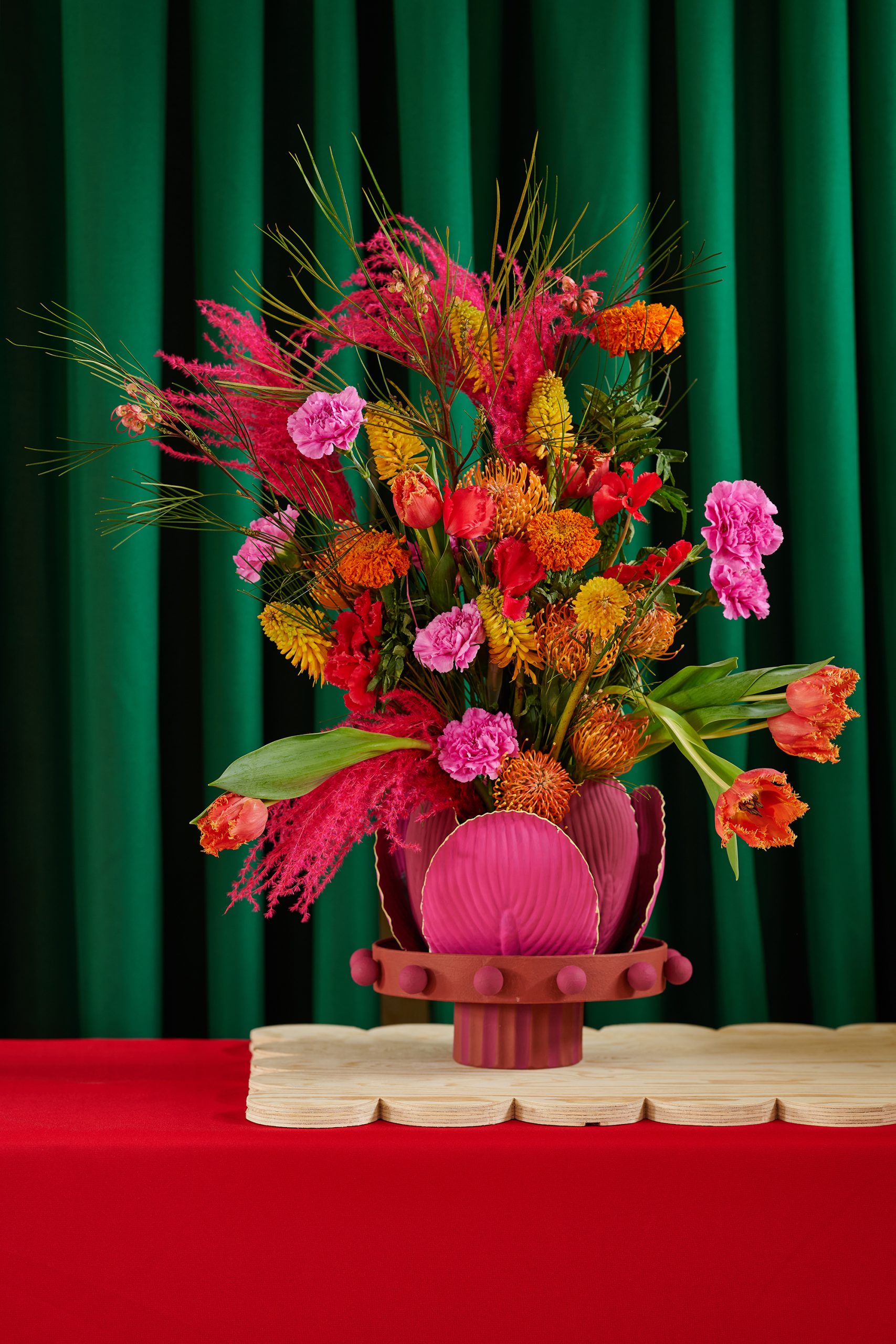
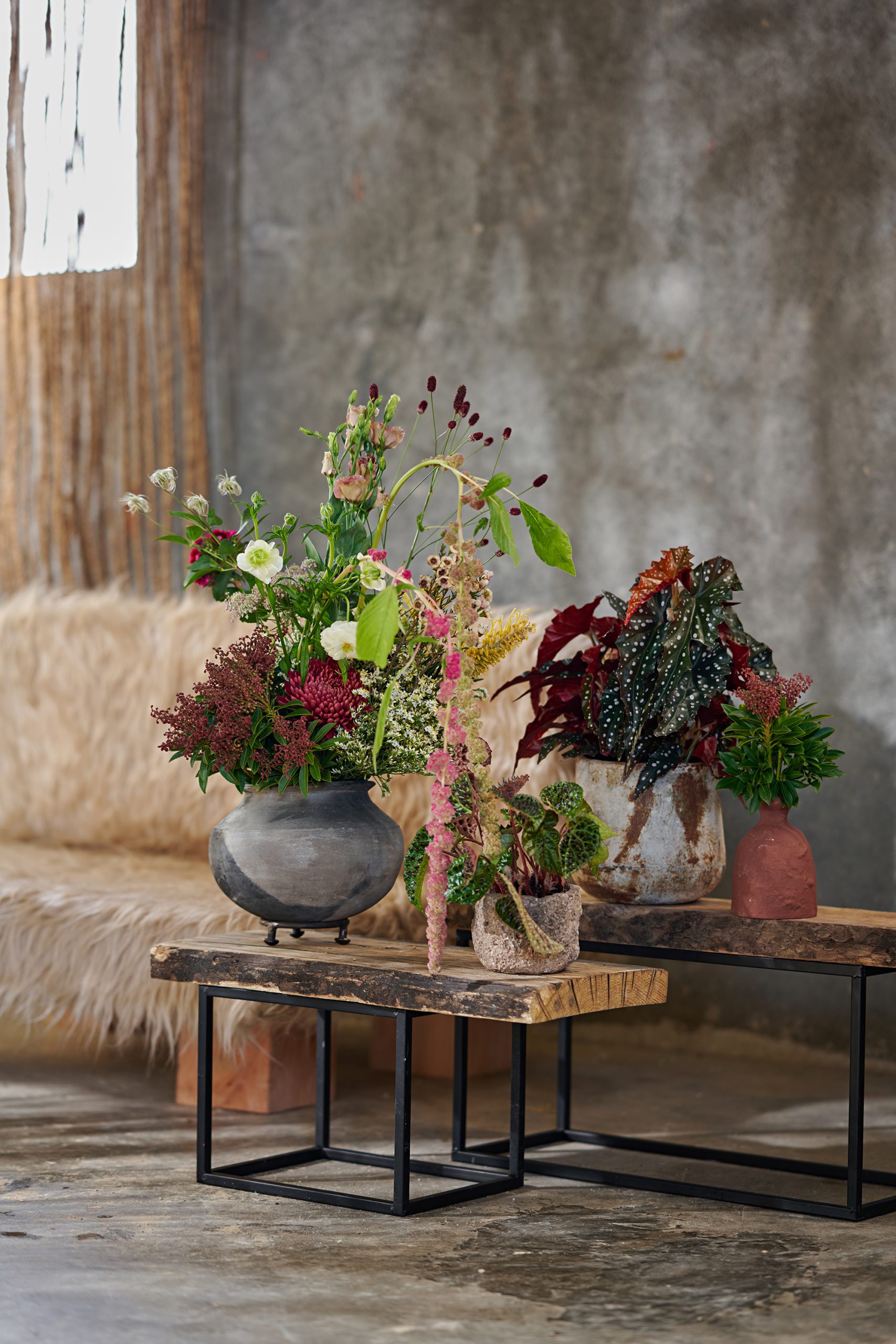
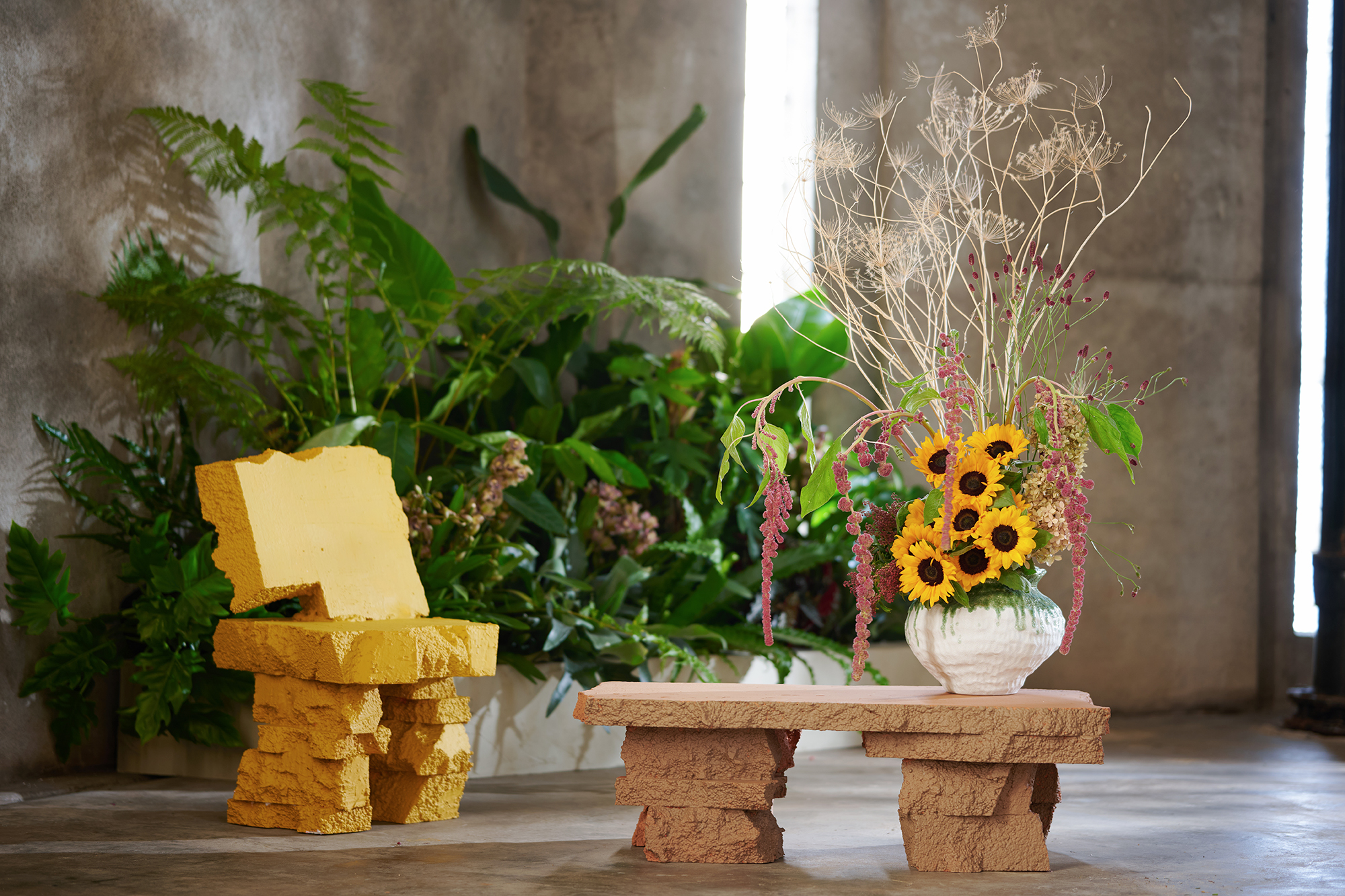
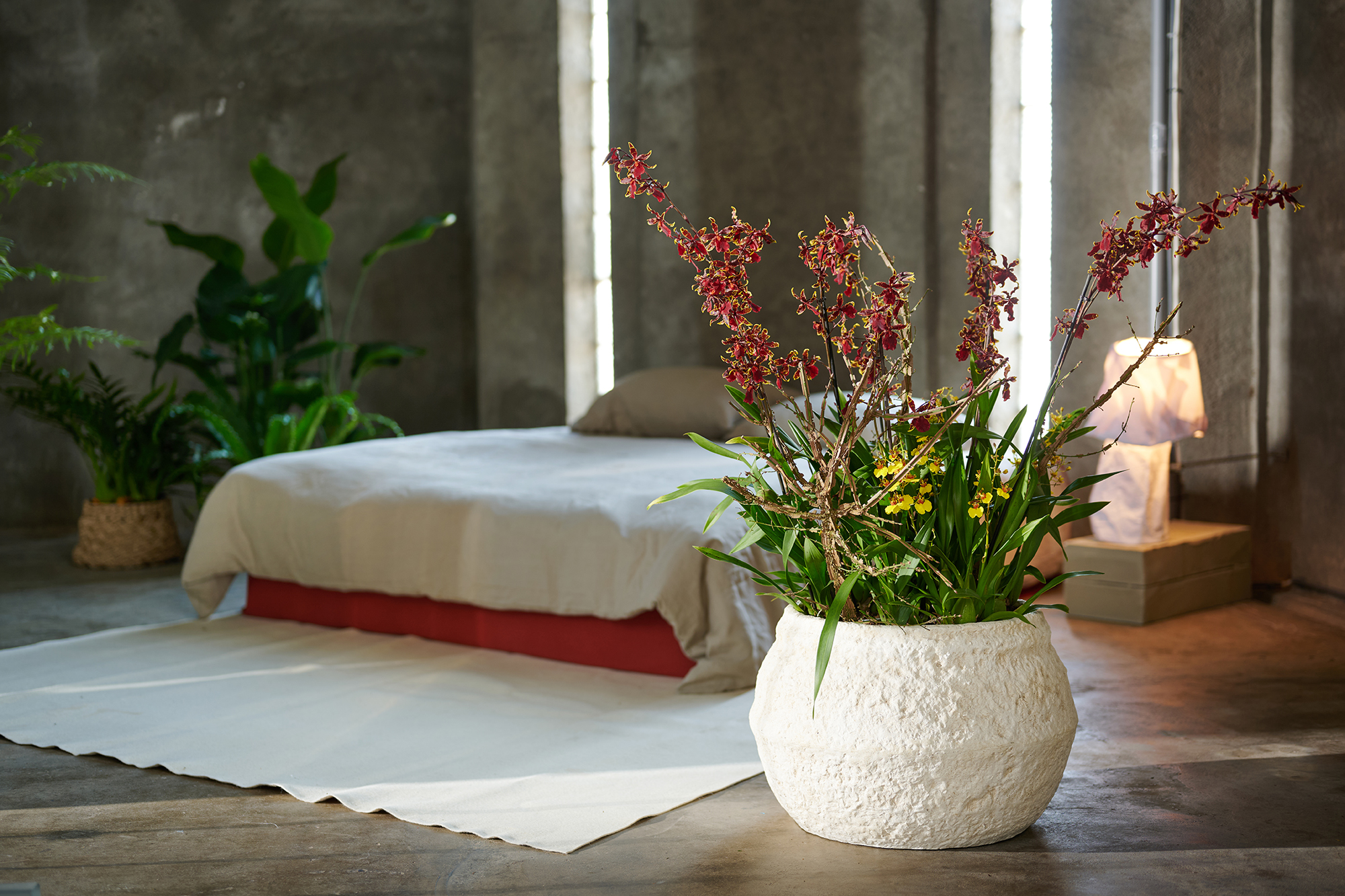
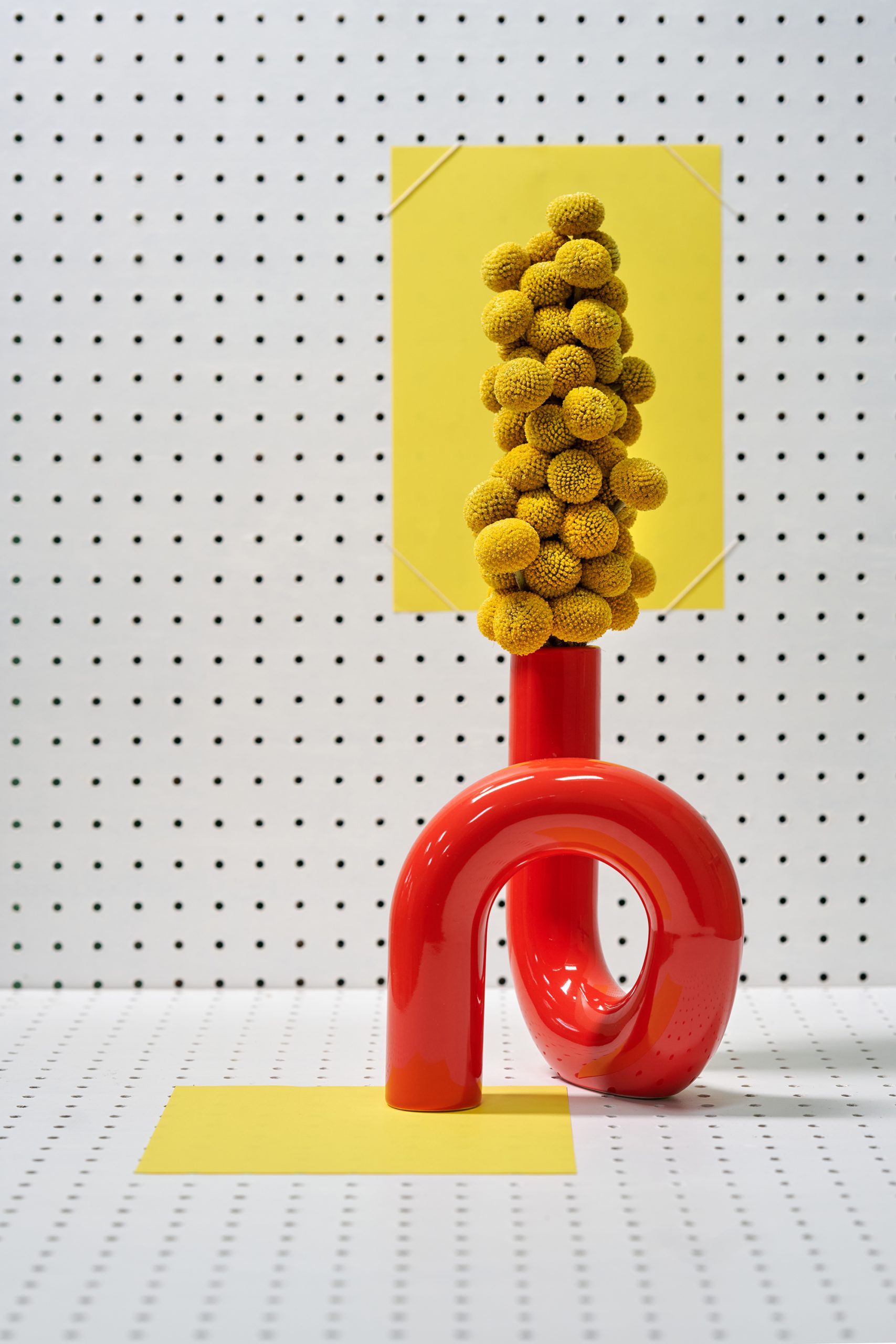
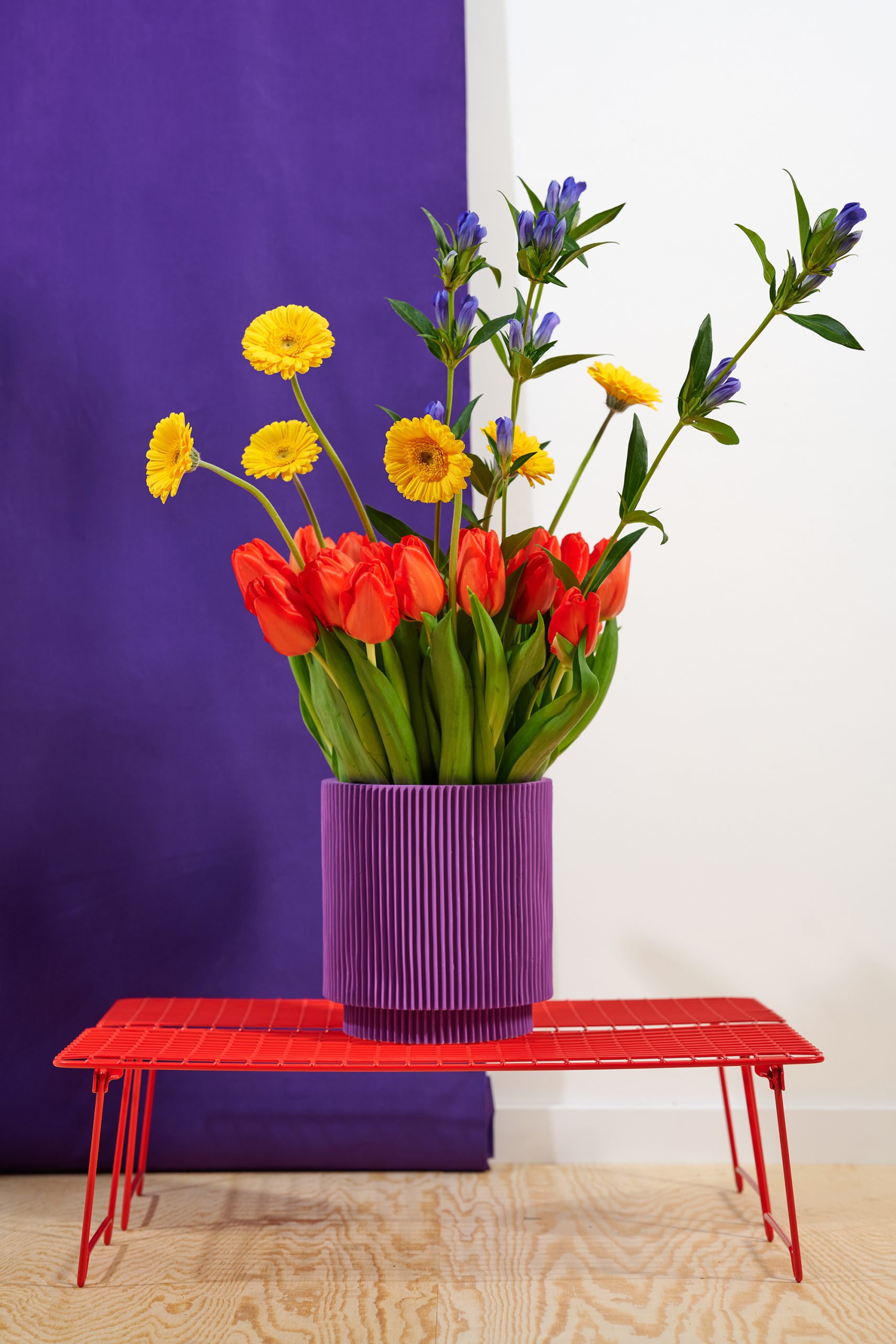
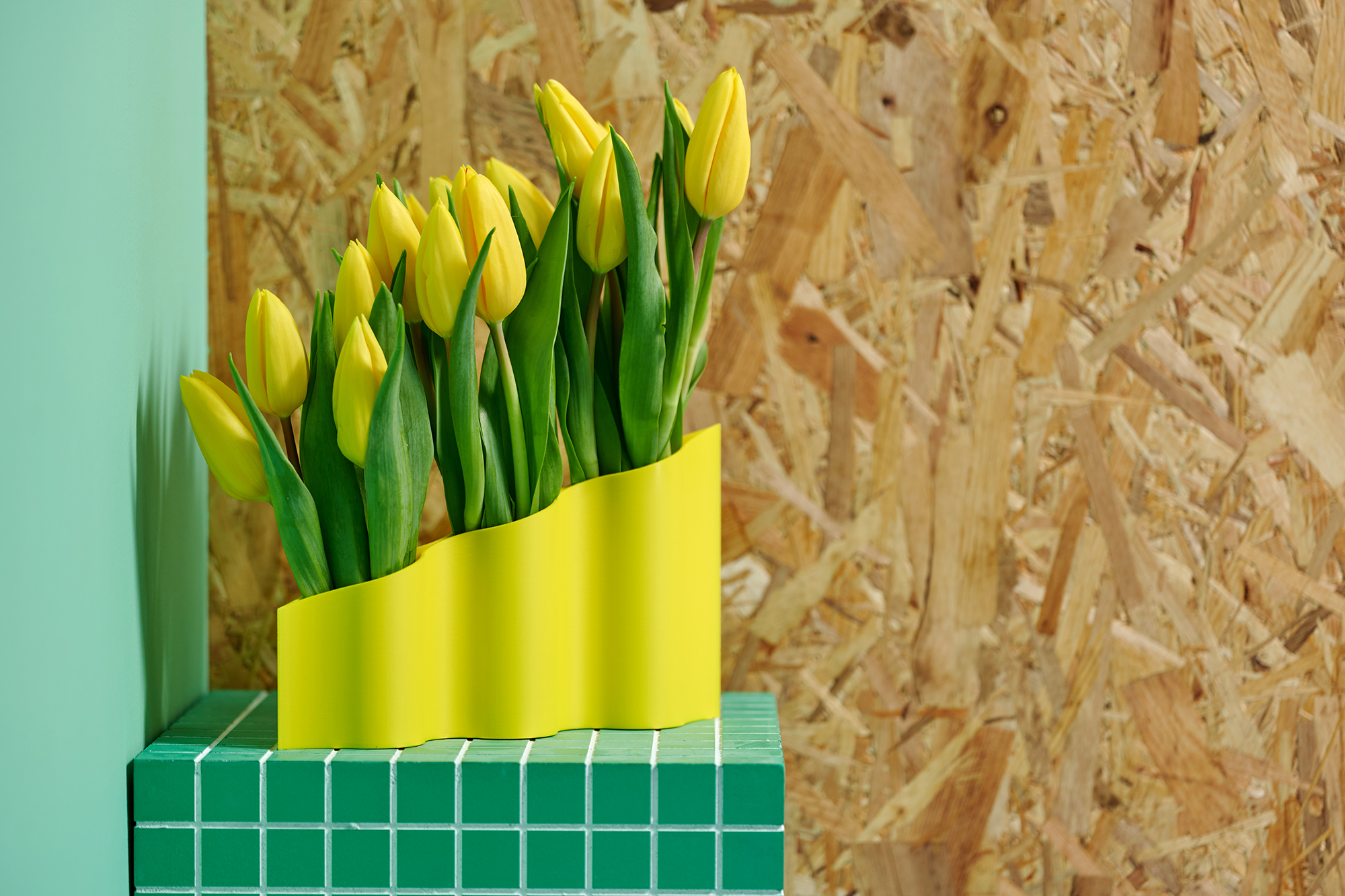
In floral design, this translates to compositions that are anything but understated. Full bouquets, bold flower varieties, striking contrasts, and substantial materials. Shades of red dominate—from deep burgundy to glossy accents—often paired with marble, glass, or metal.
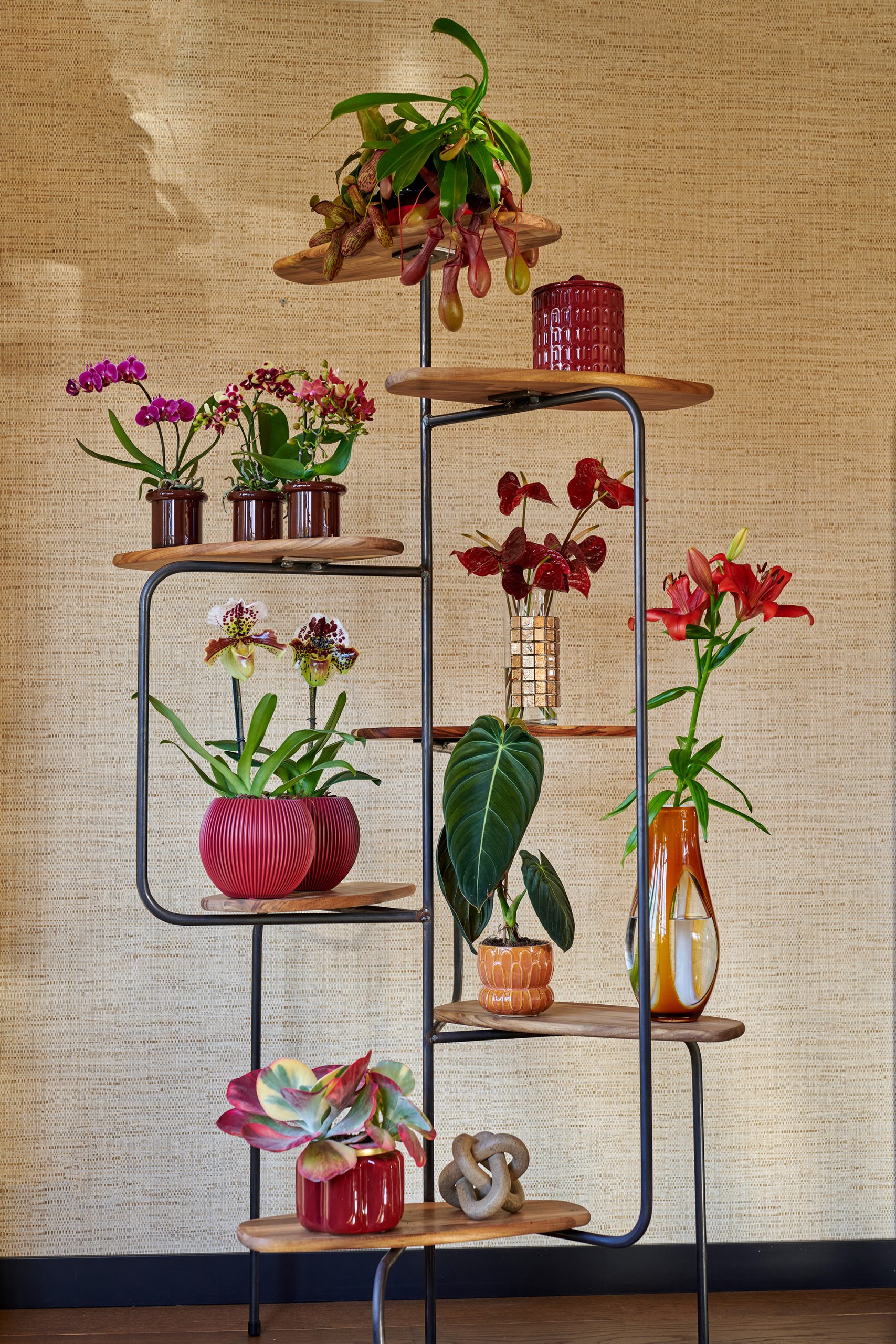
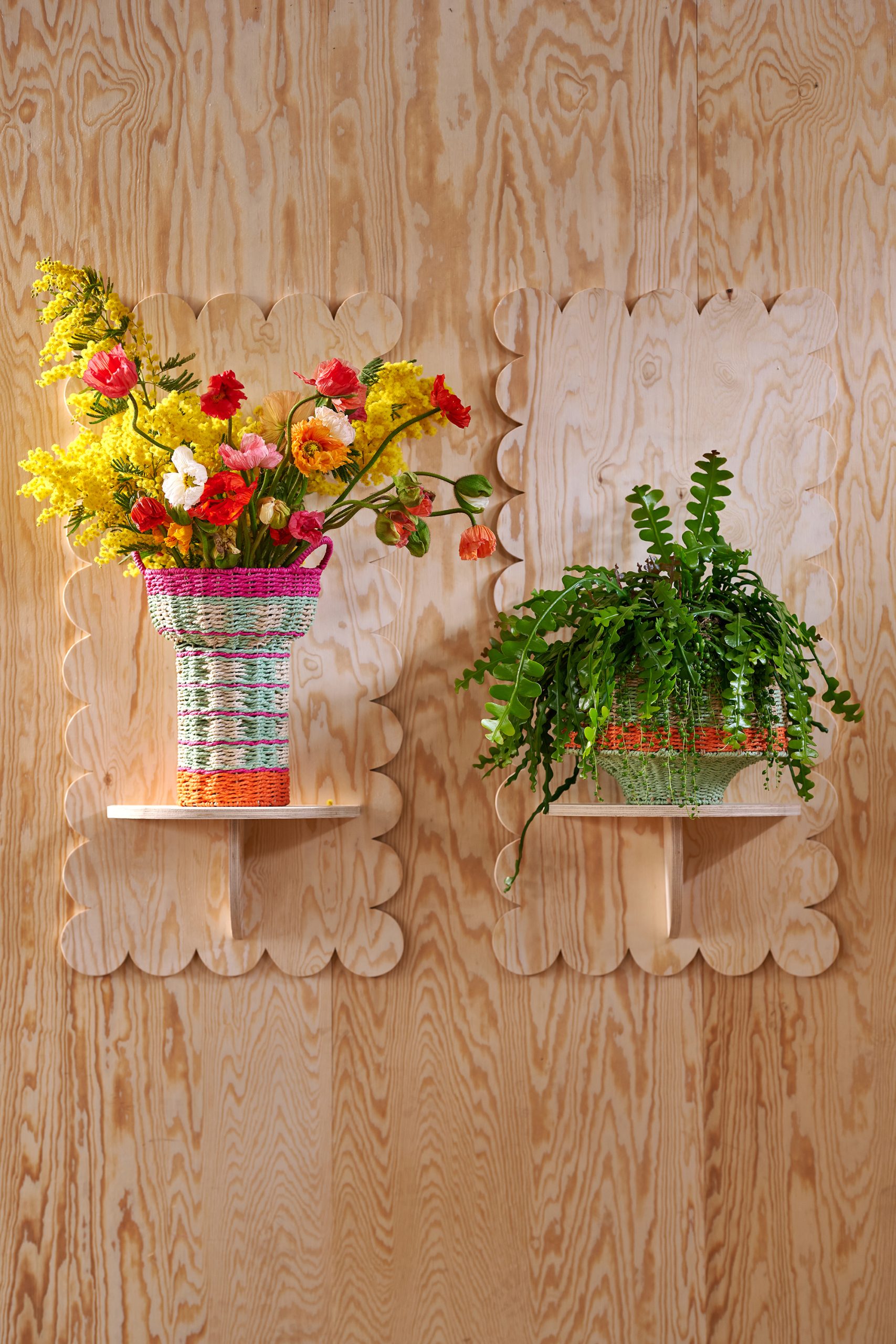
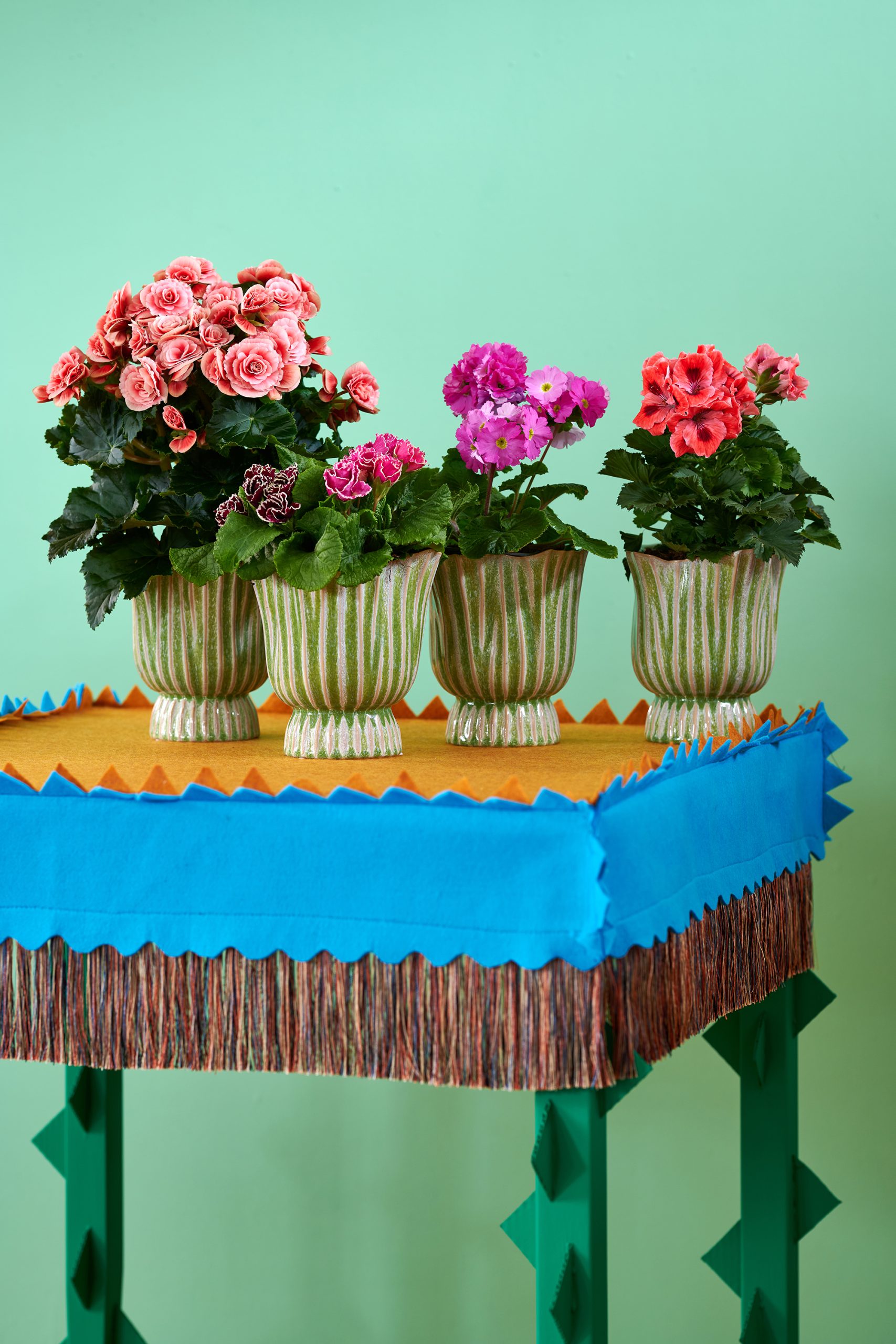
Small-scale work isn’t disappearing, but is being used differently: grouped together, presented as a series, almost like a collection. Scale and repetition enhance the effect. In practice, this also shifts the florist’s role. They are not only a creator but also a director of the experience. Products are positioned as something special, with attention to presentation, service, and context. It is less about the object itself and more about the experience surrounding it.
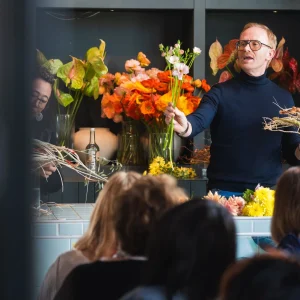
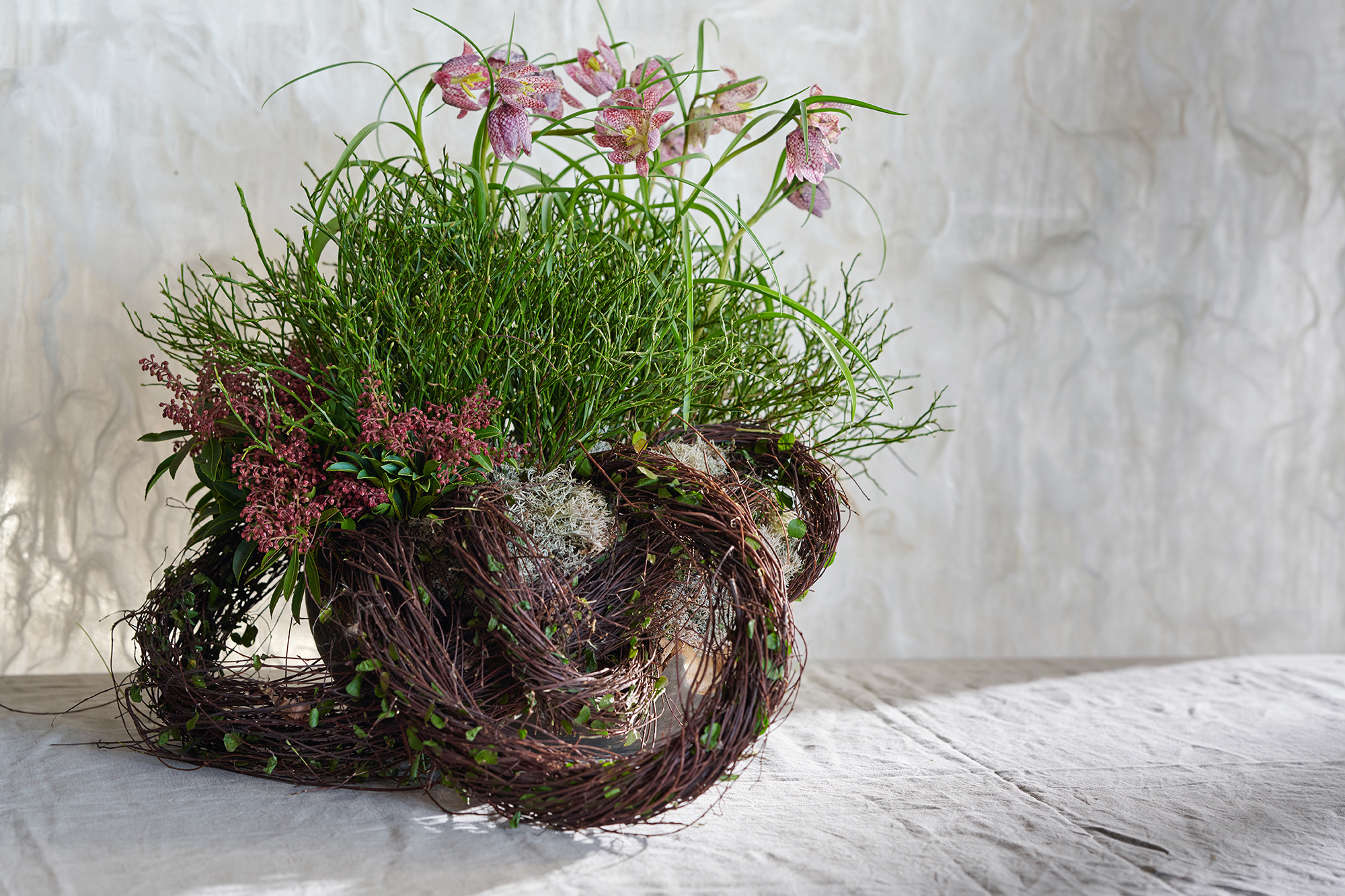
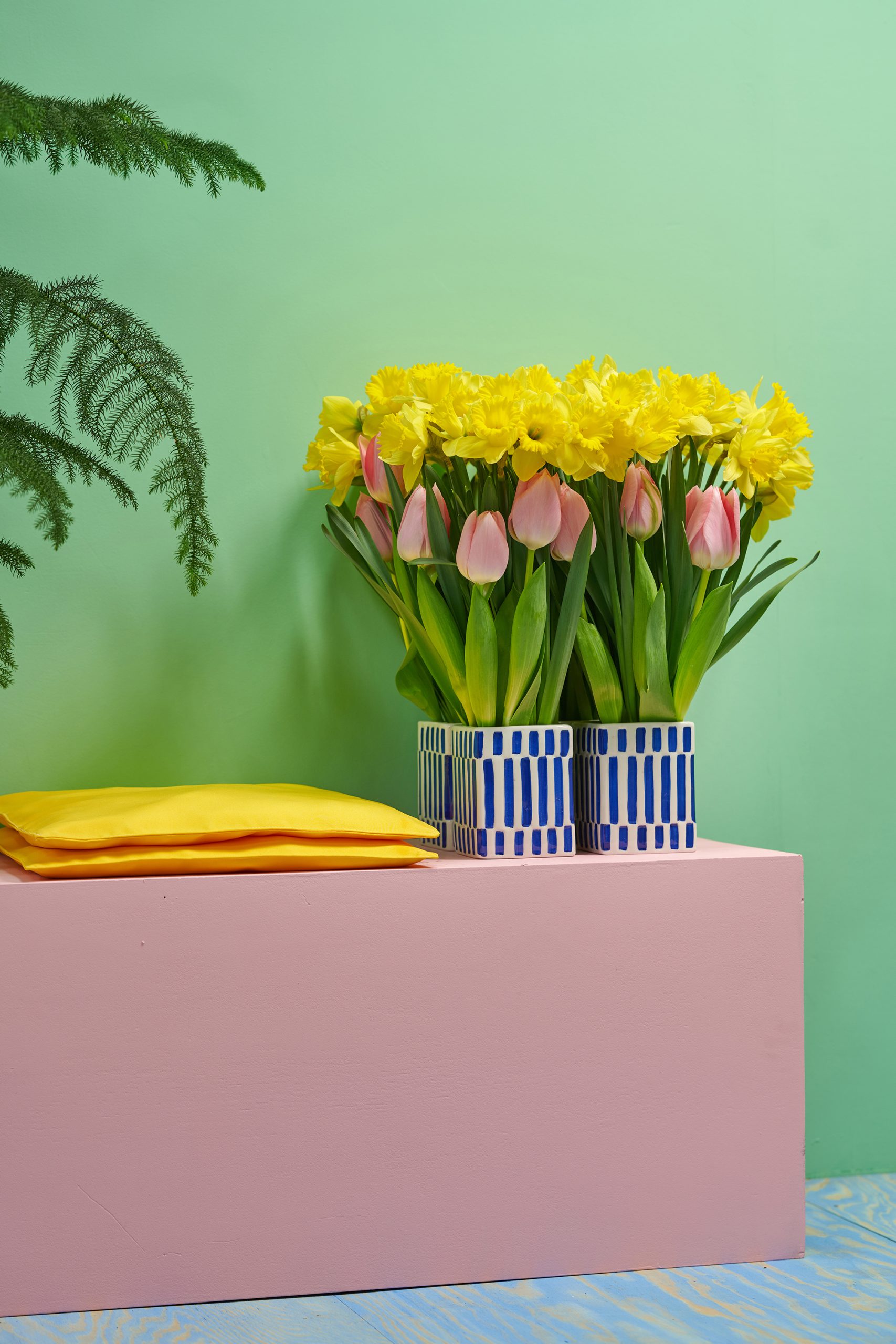
At the same time, a countertrend is emerging. As distance and individualism increase, so does the need for connection and meaning. Products must tell a story, reveal something about their origin, care, or intention.
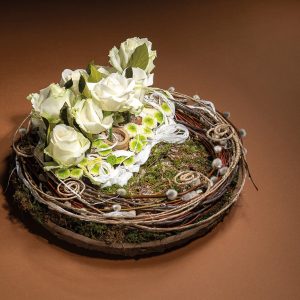
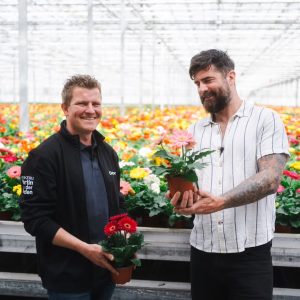
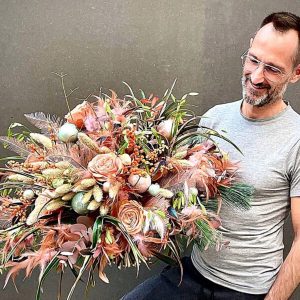
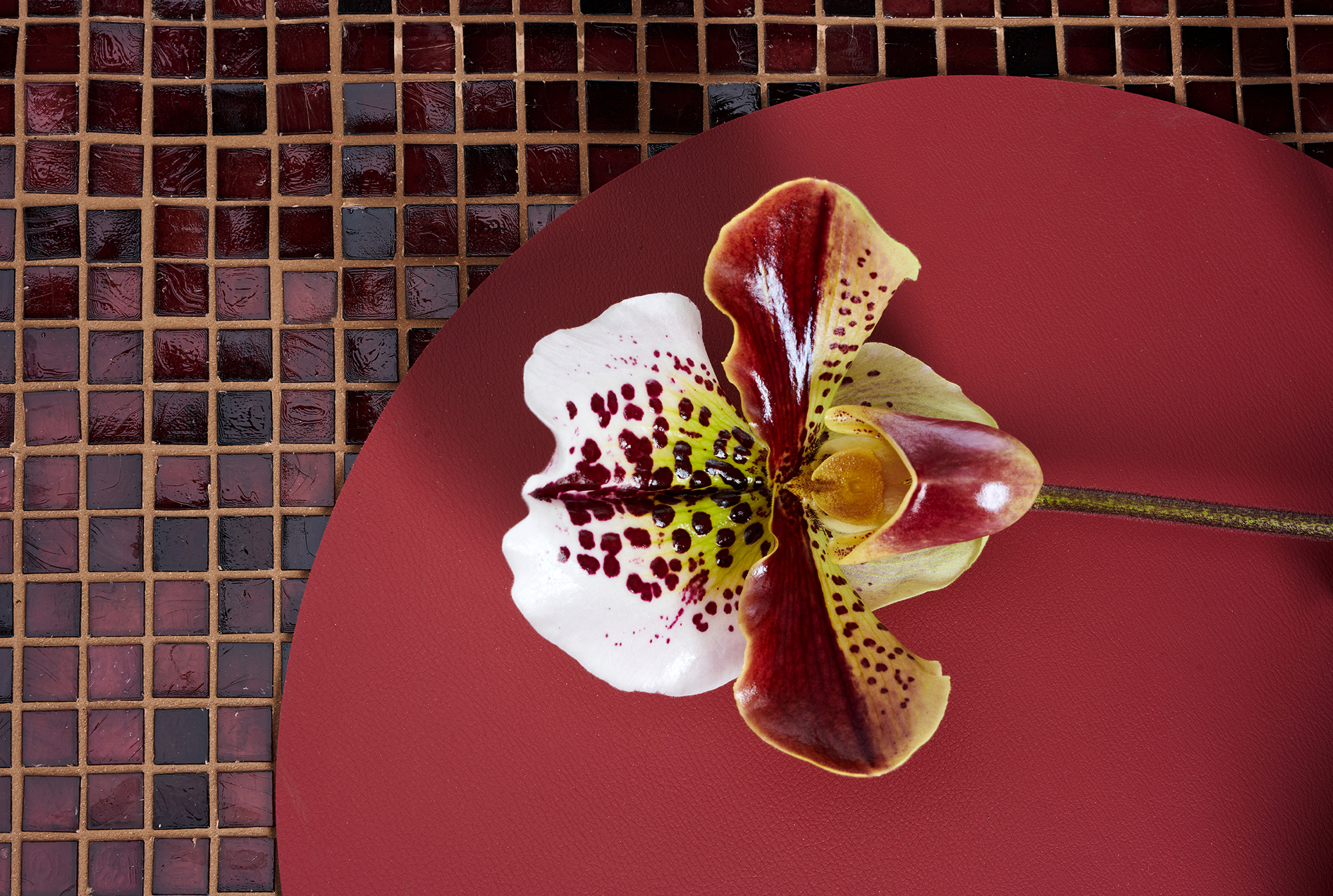
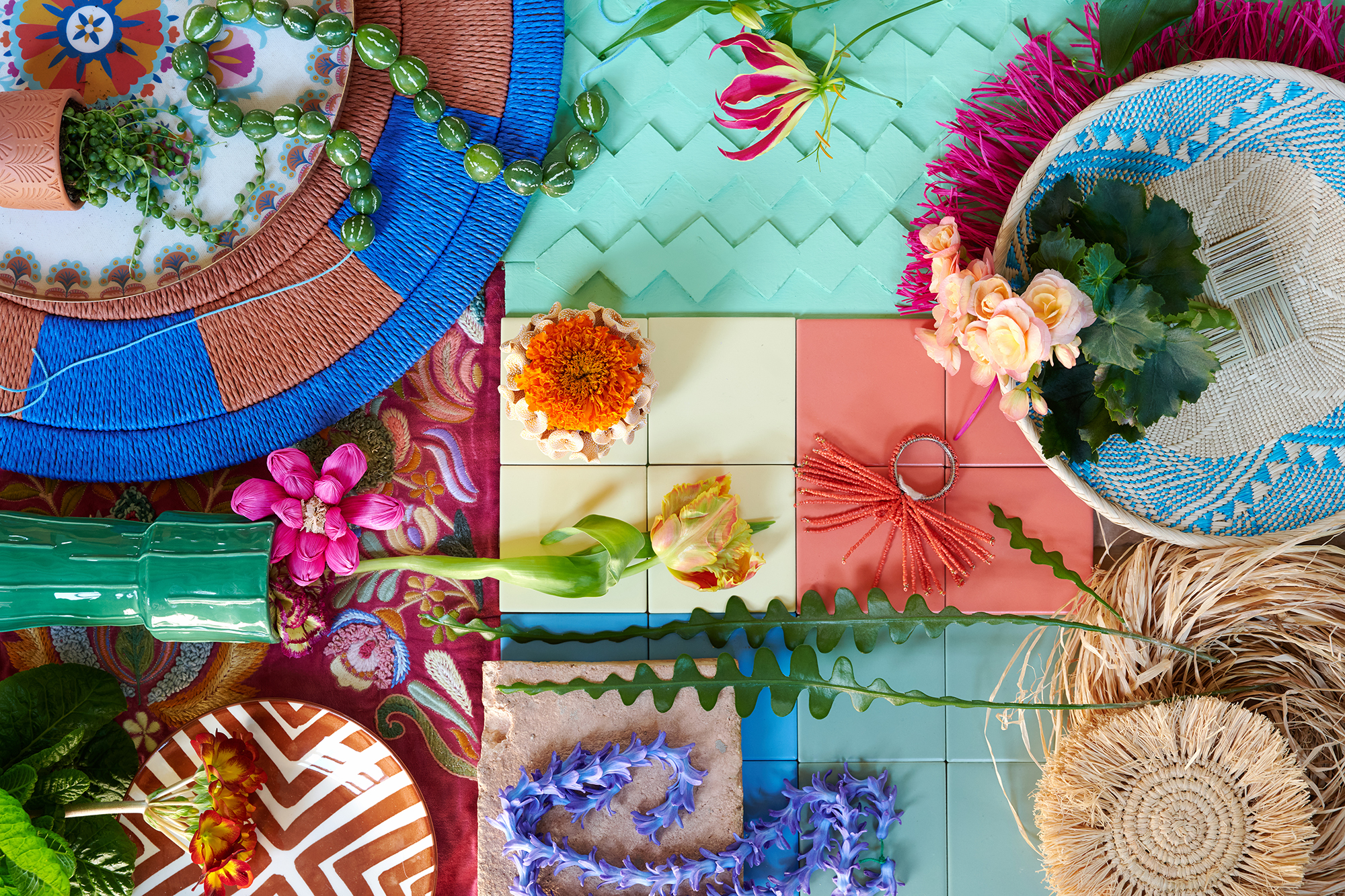
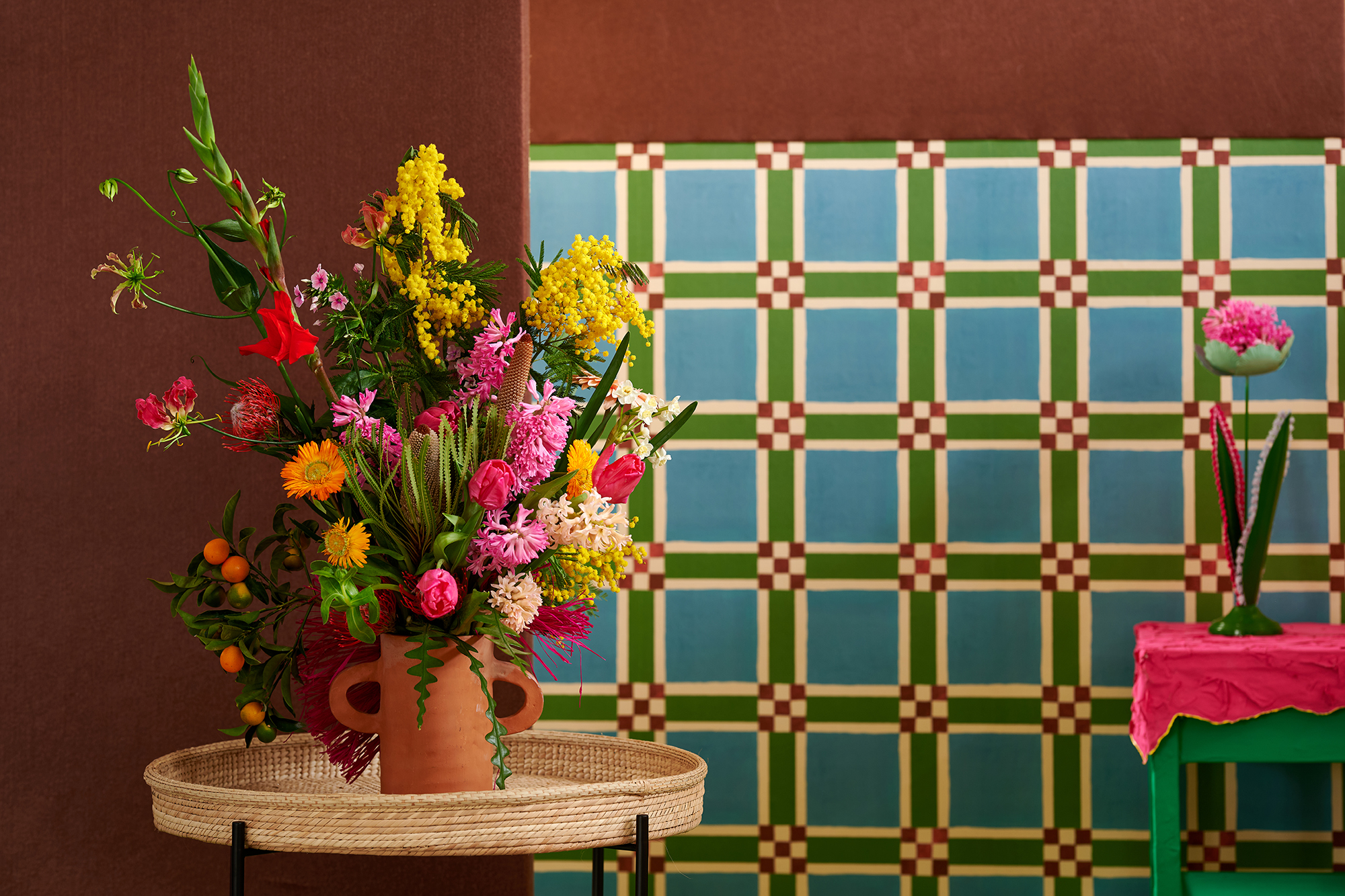
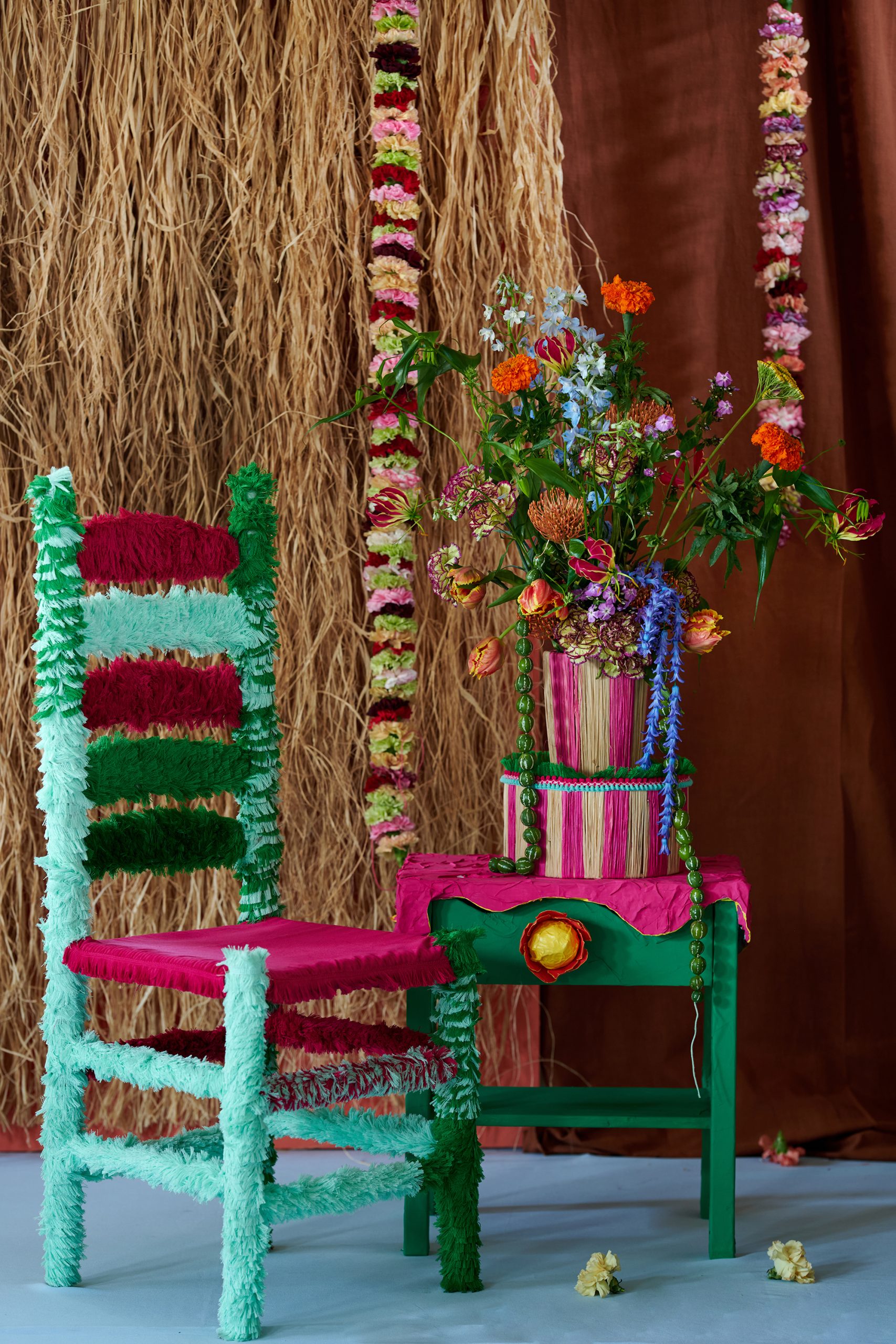
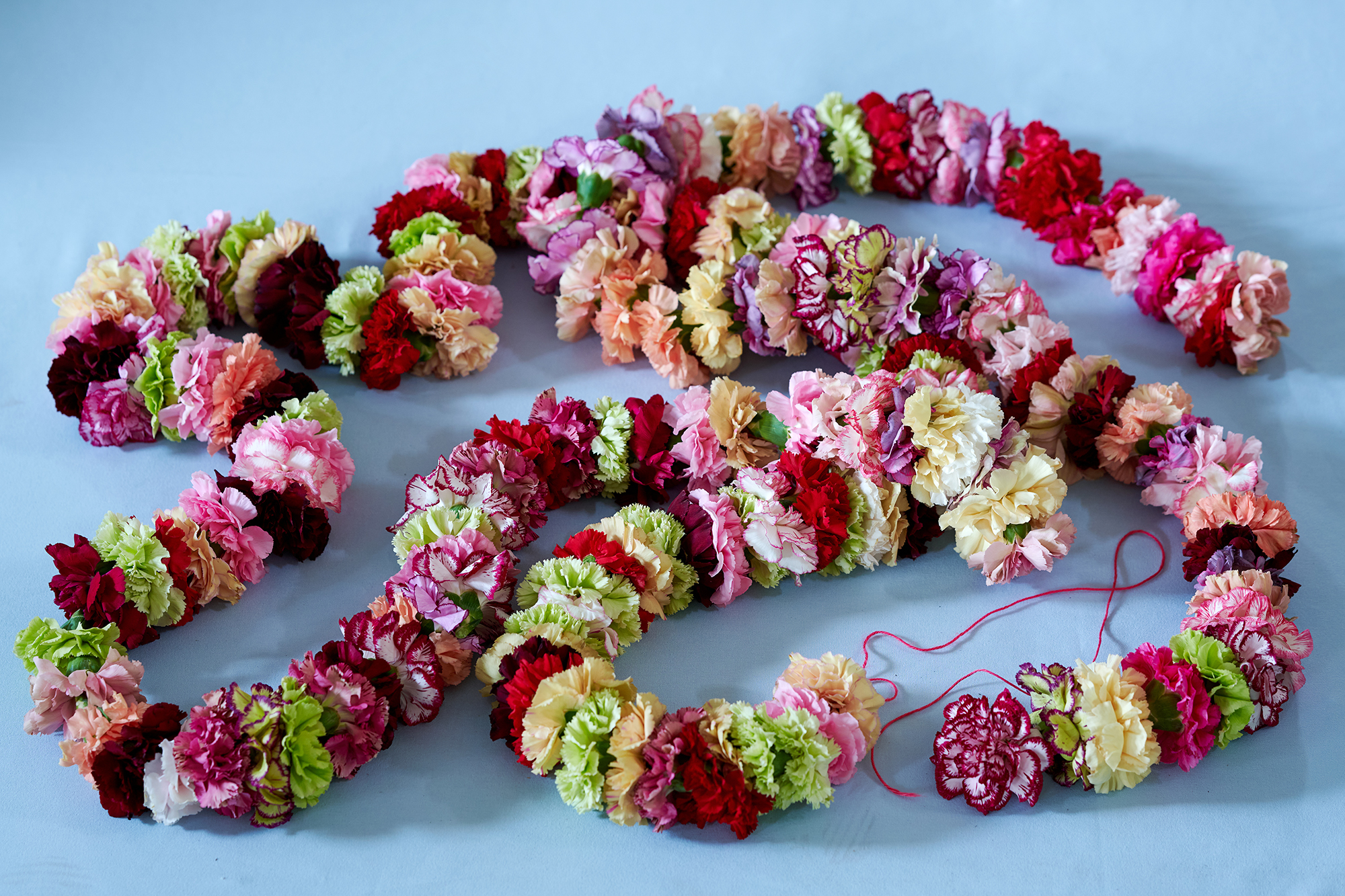
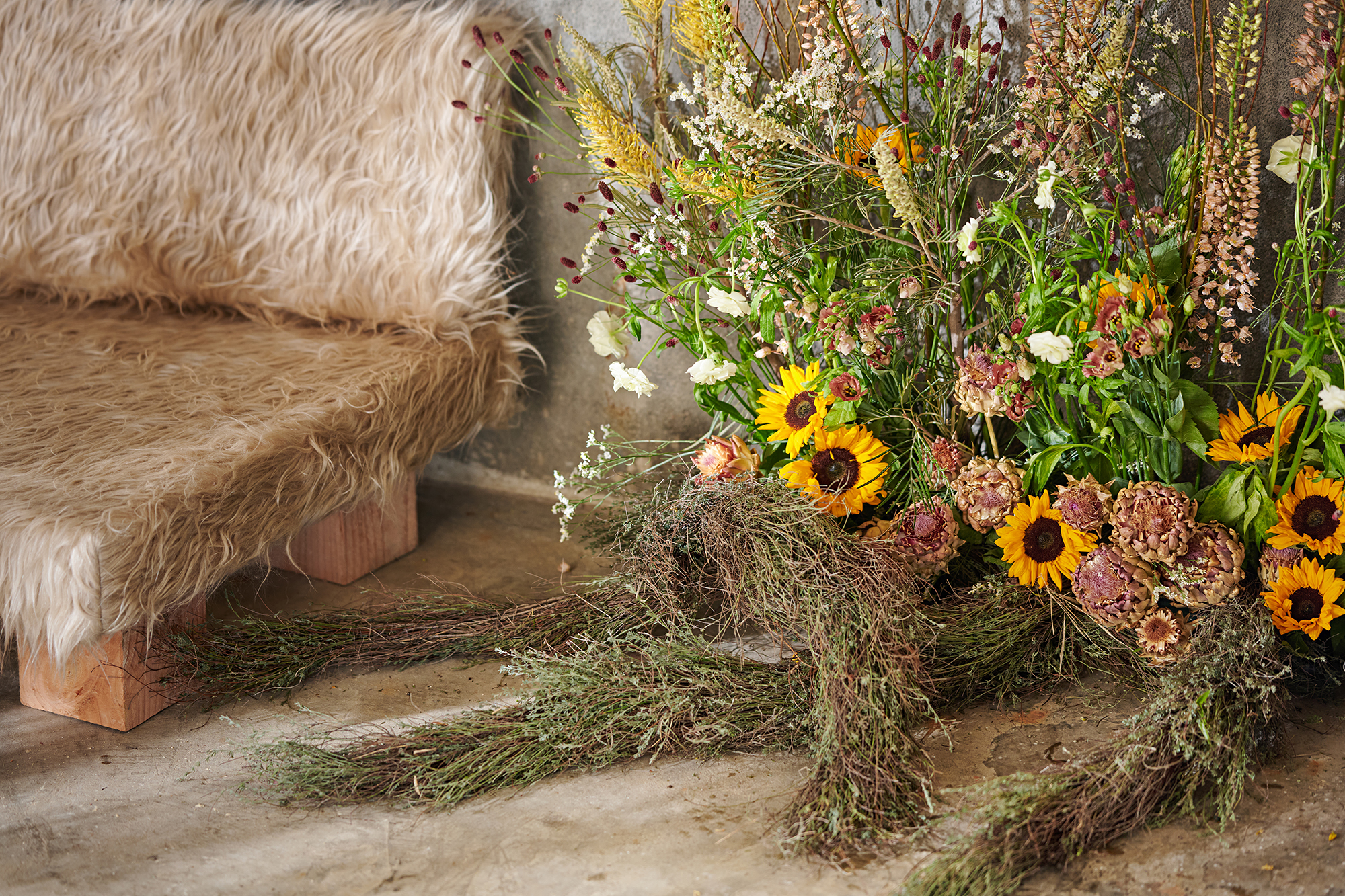
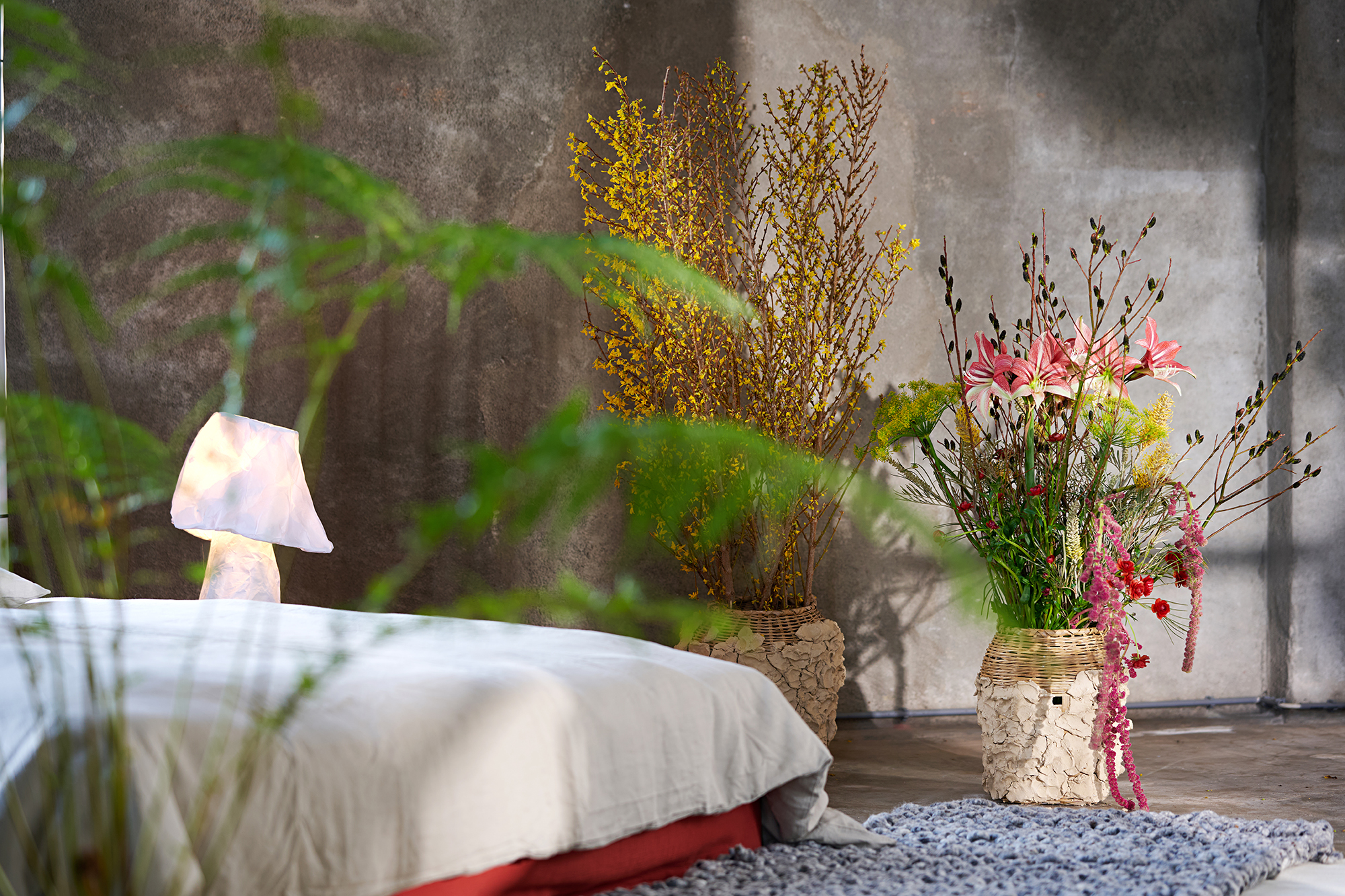
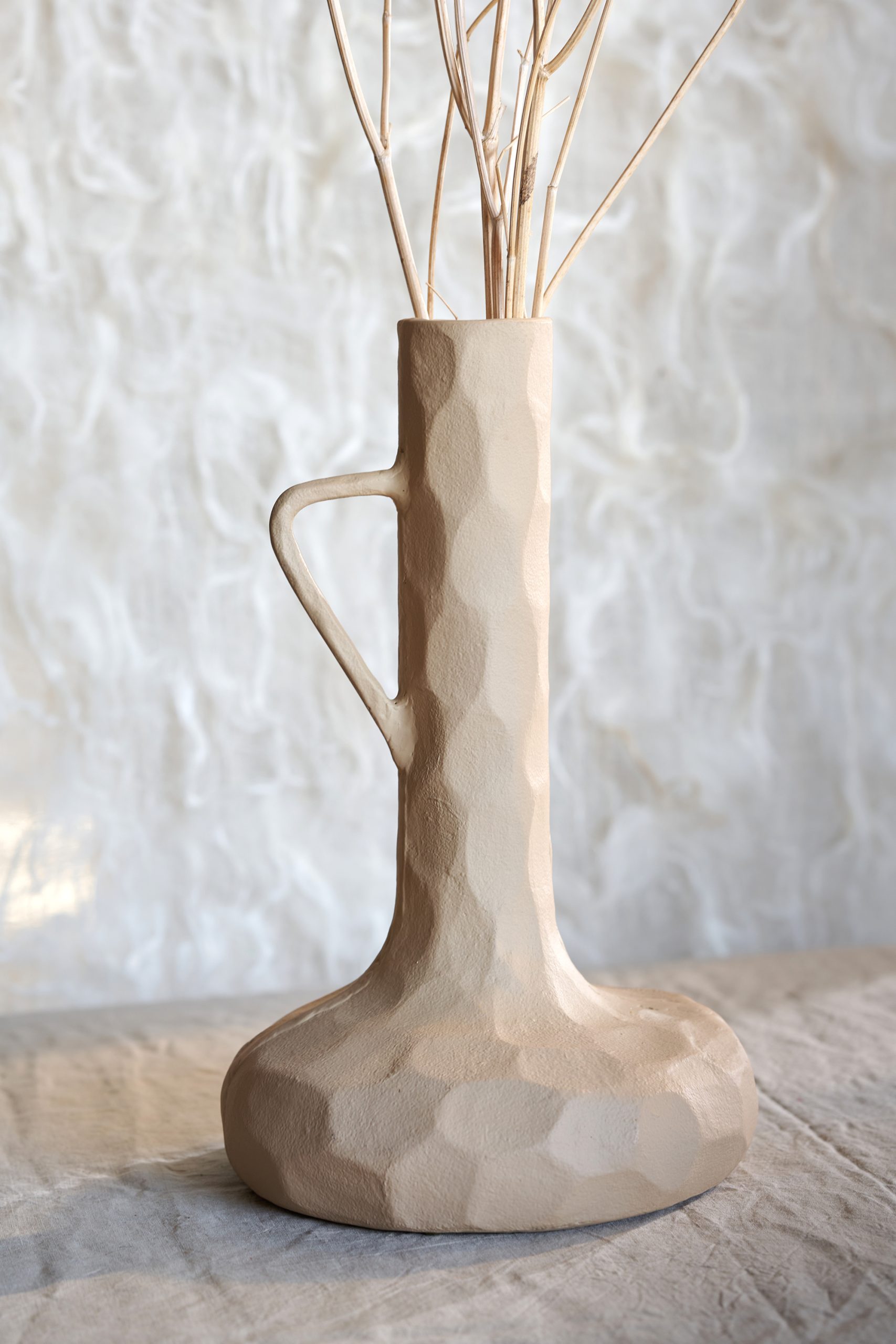
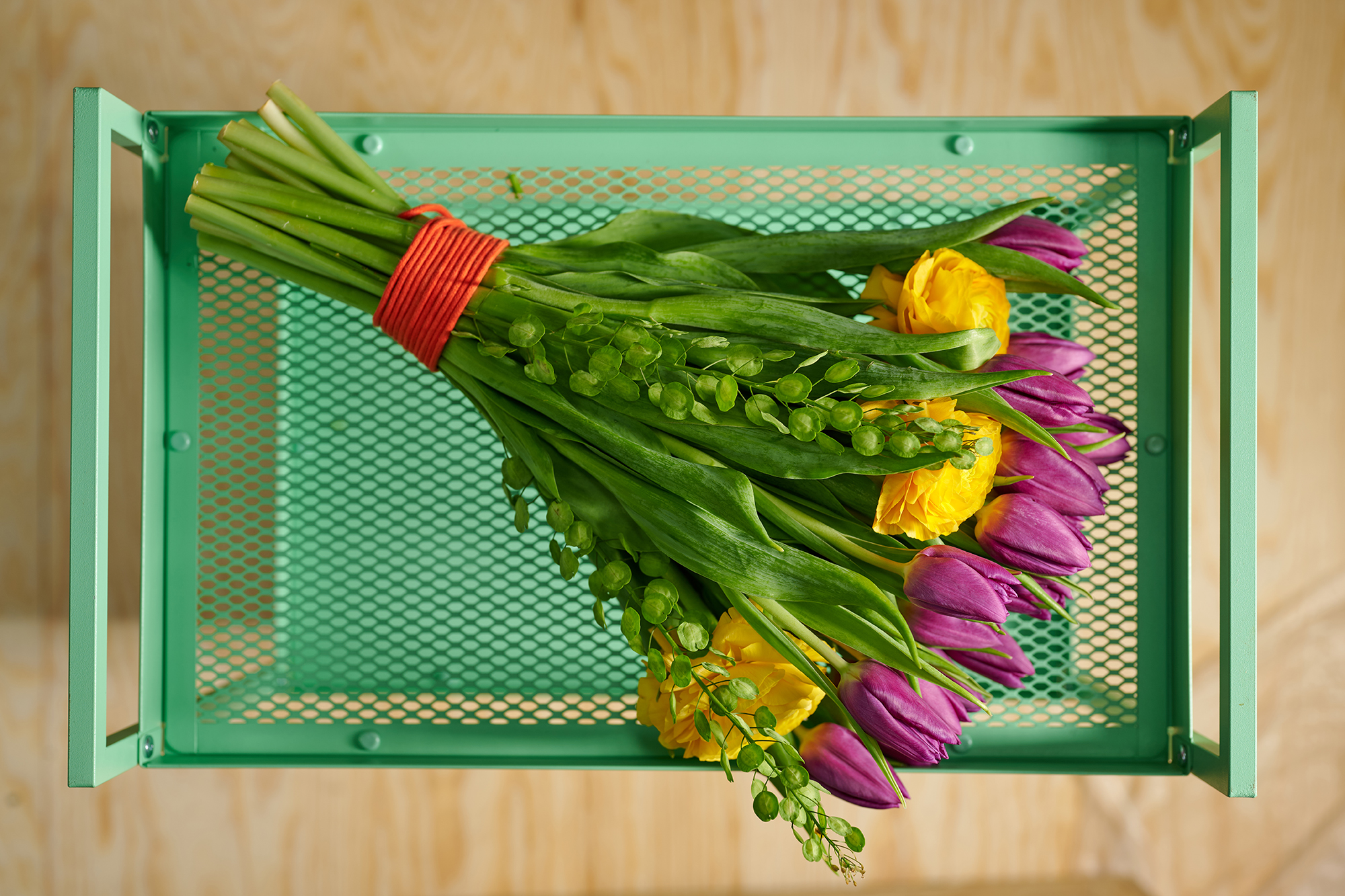
This is reflected in floral arrangements that are less rigidly structured and more layered. Combinations of materials, textures, and techniques—such as lacing, braiding, and knotting—show that something has been made with care. Contrast is not a problem, but rather a means of showcasing diversity.
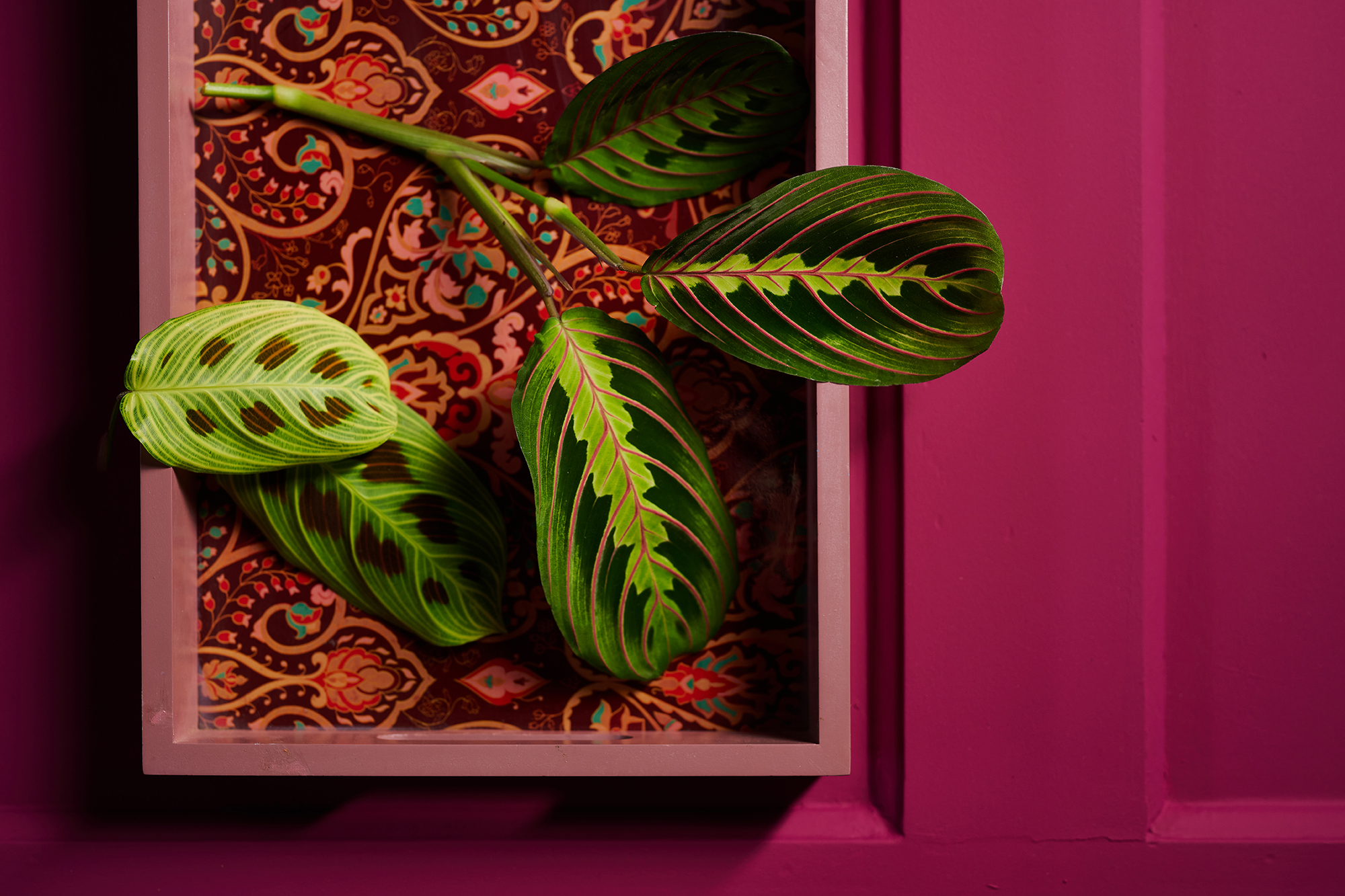
The color palette is broad: ranging from soft hues to bold combinations, as long as the overall look retains a certain warmth. It can be personal, even a little quirky.
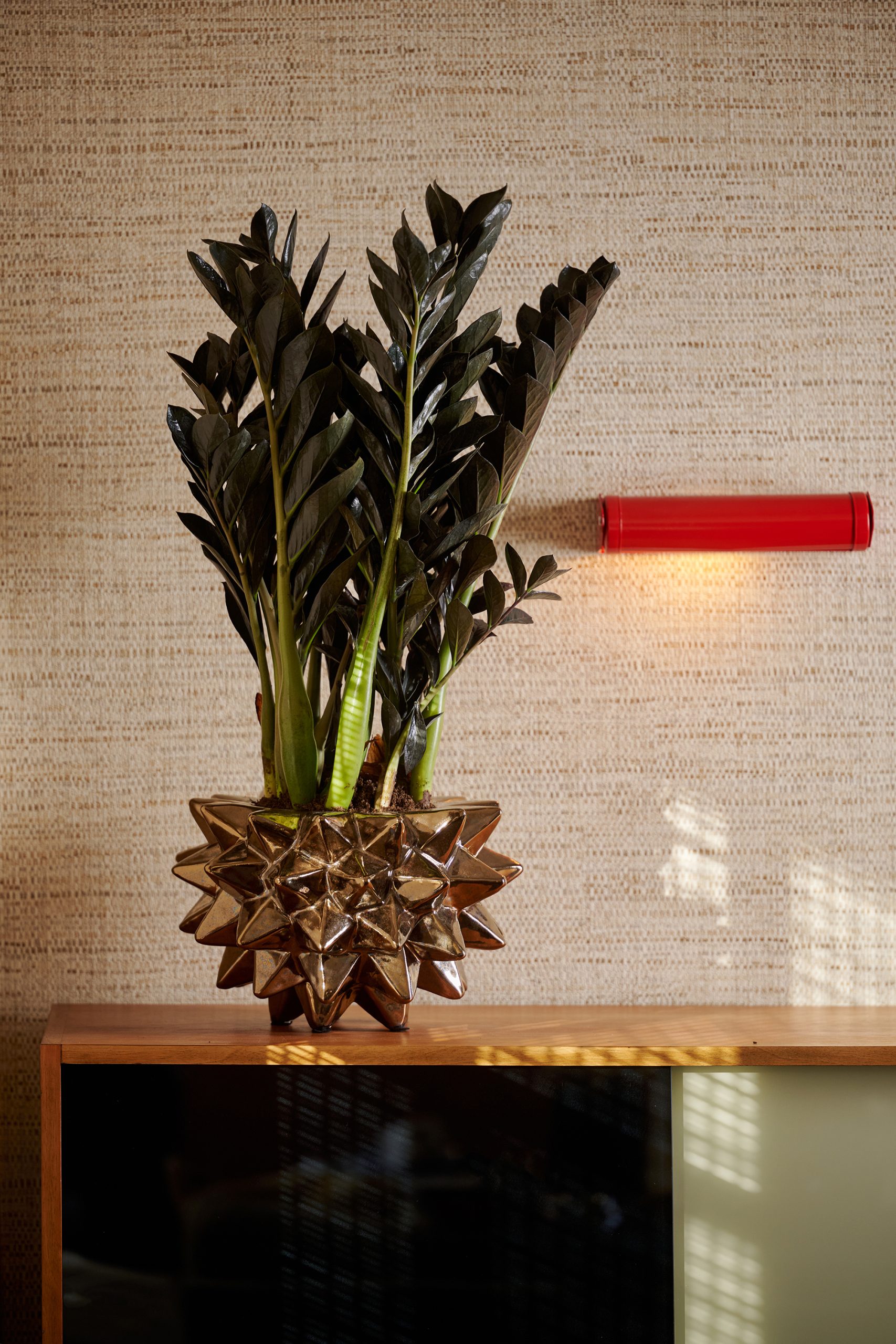
The need for peace and balance continues to grow, but it is taking on a different form. It’s not just about being “green” or “sustainable,” but above all about being tangible and physical. Away from the polished and controlled.
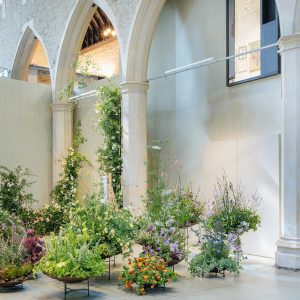
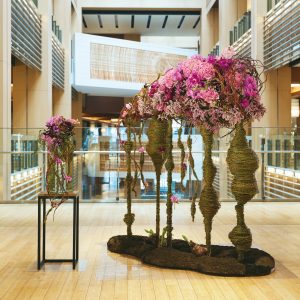
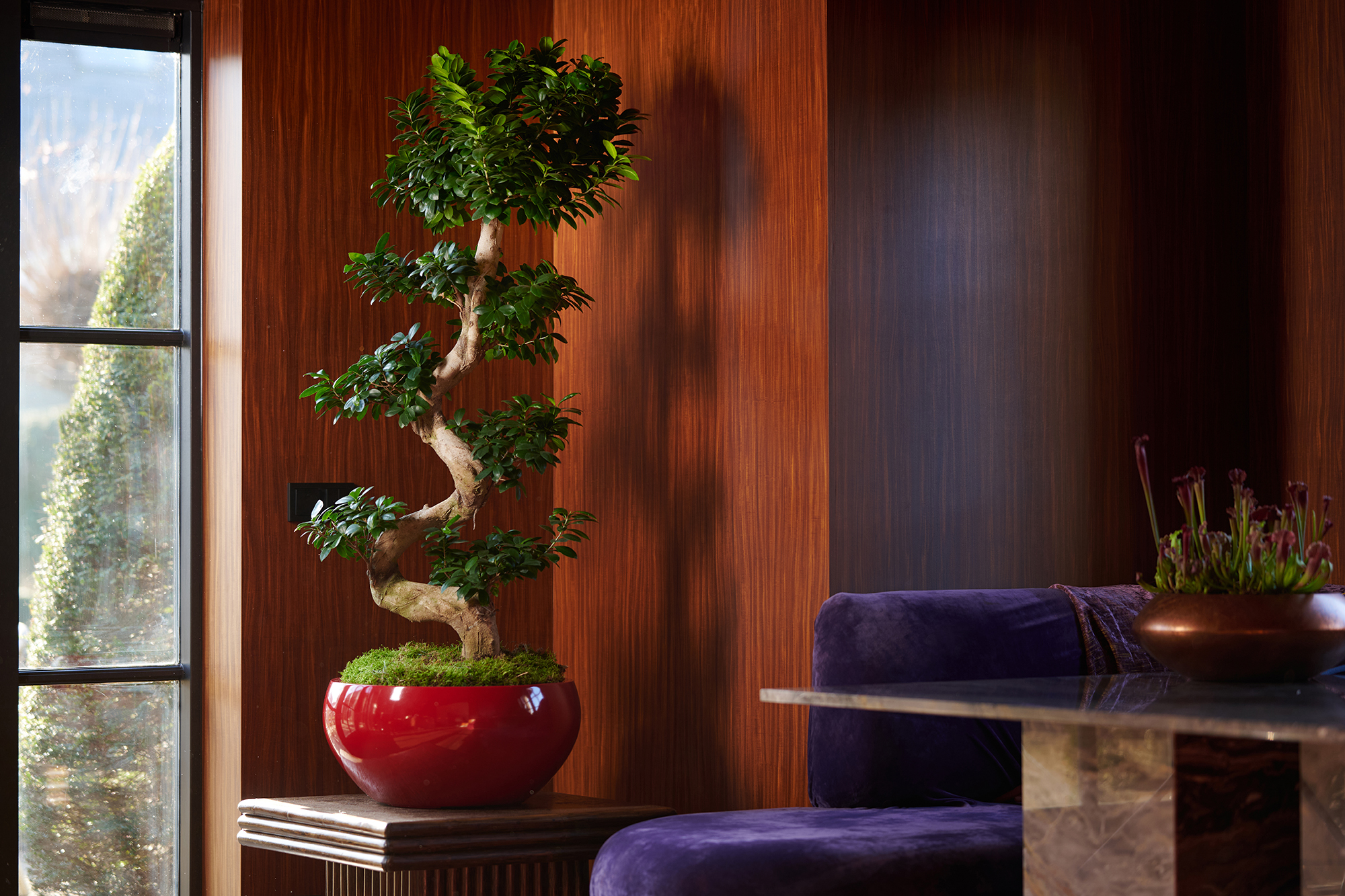
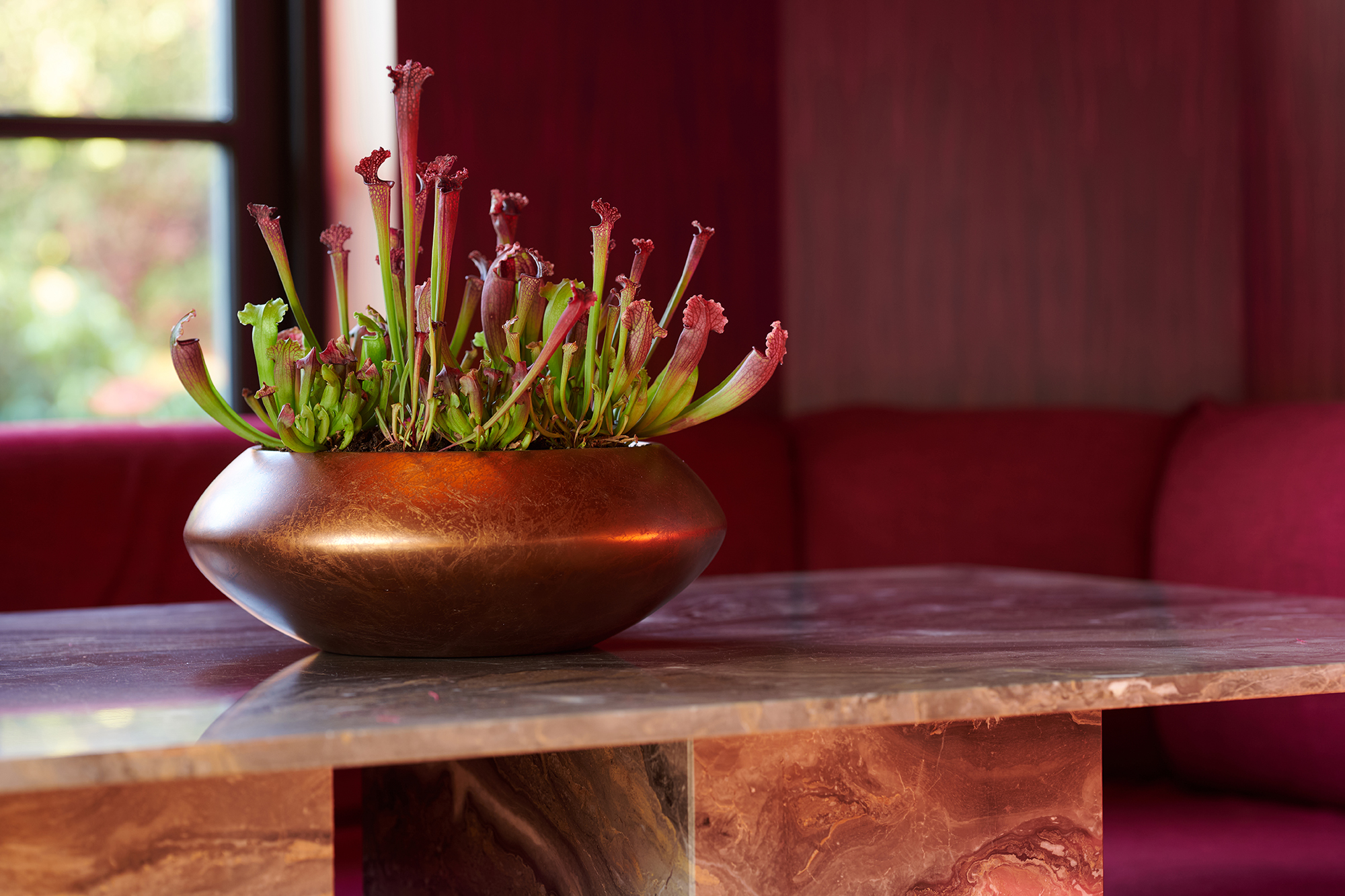
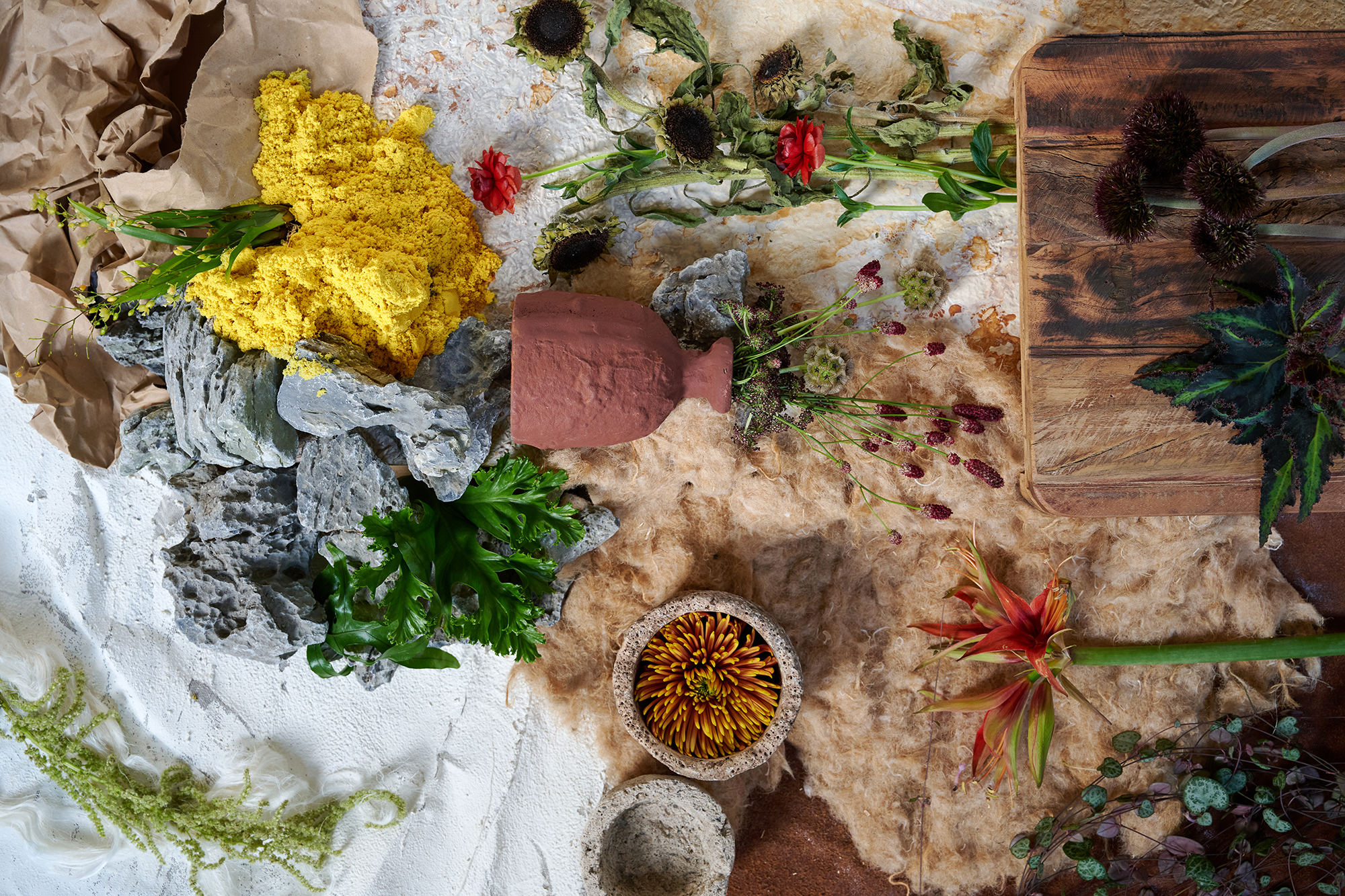
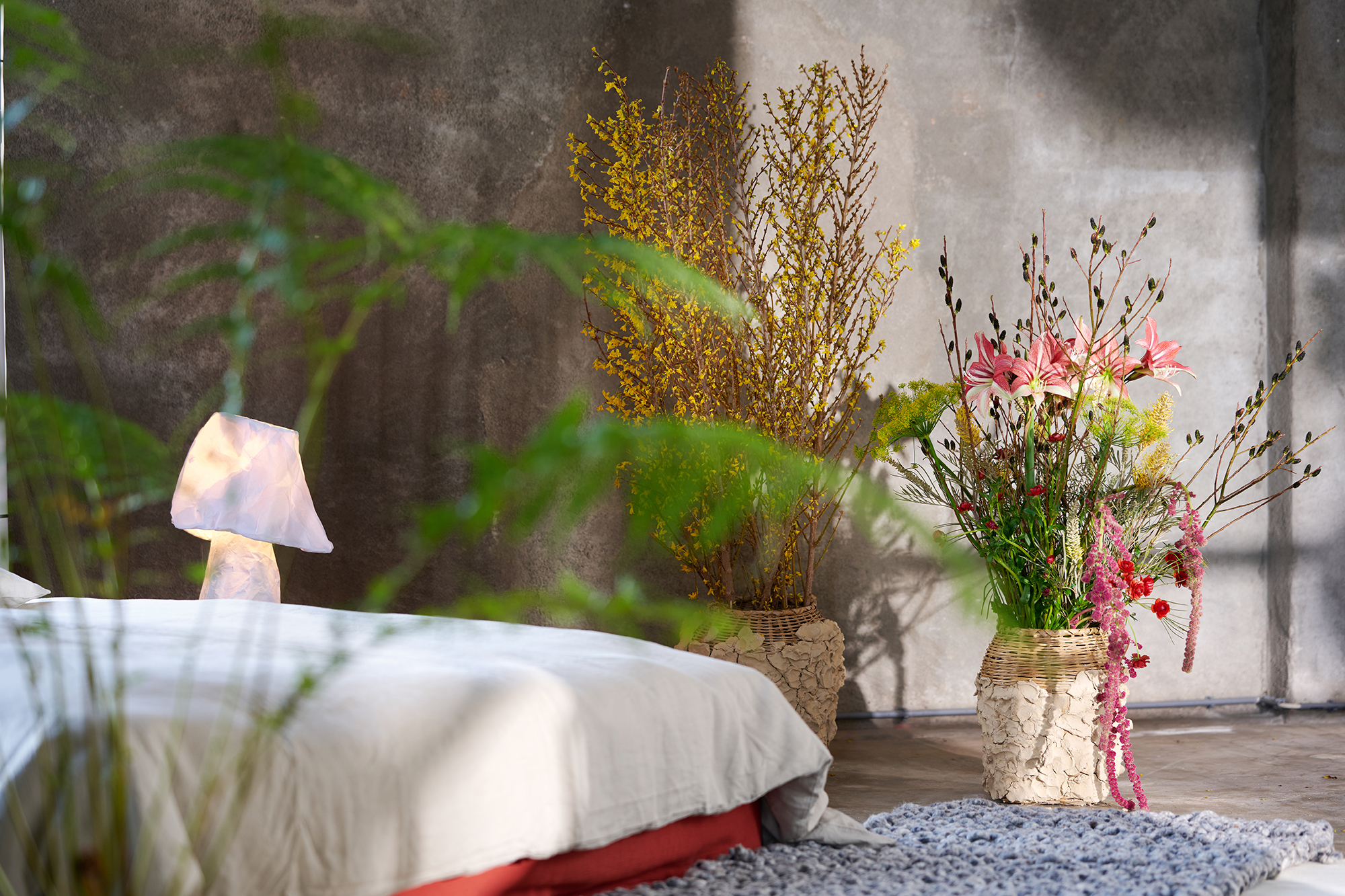
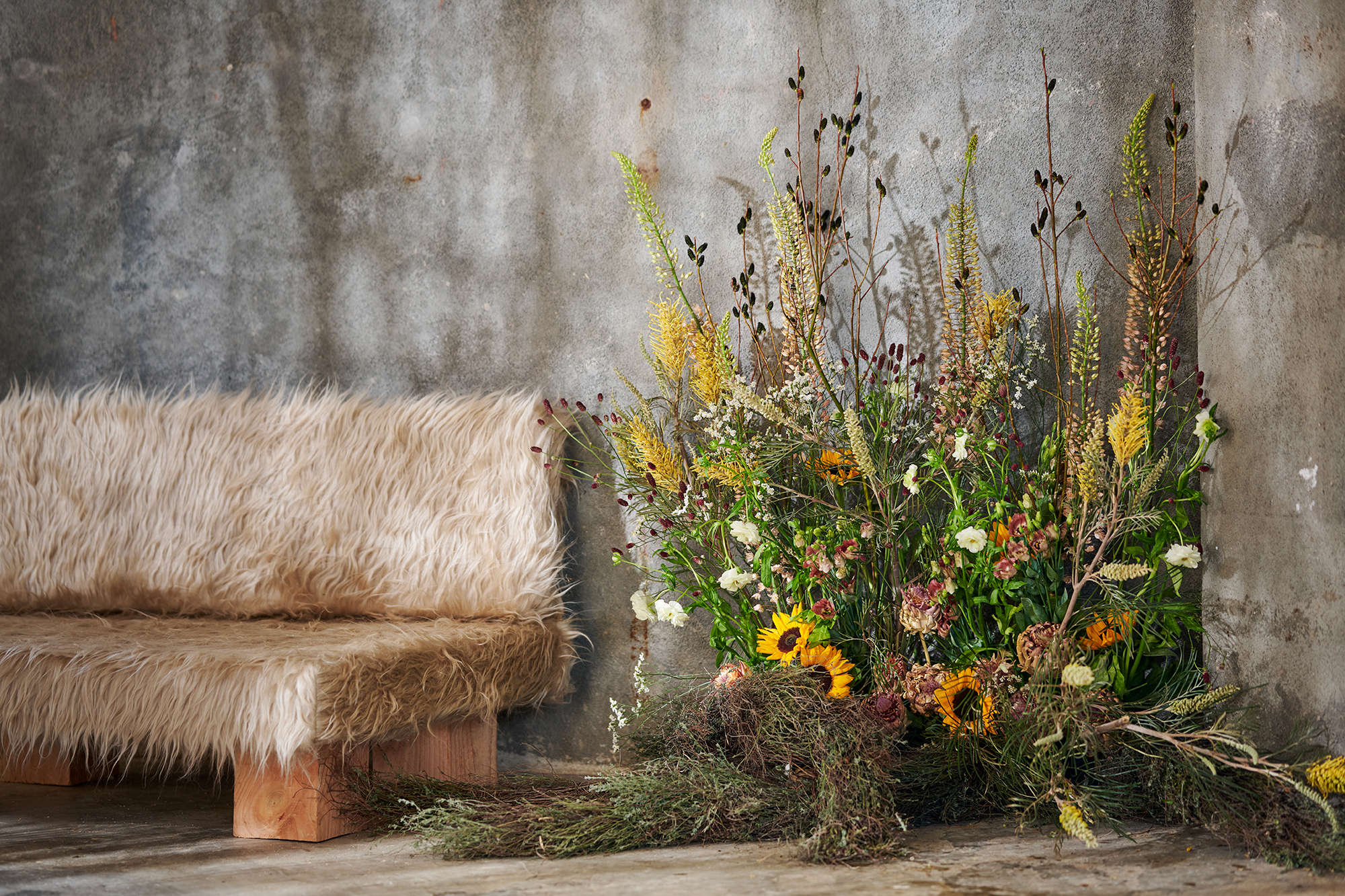
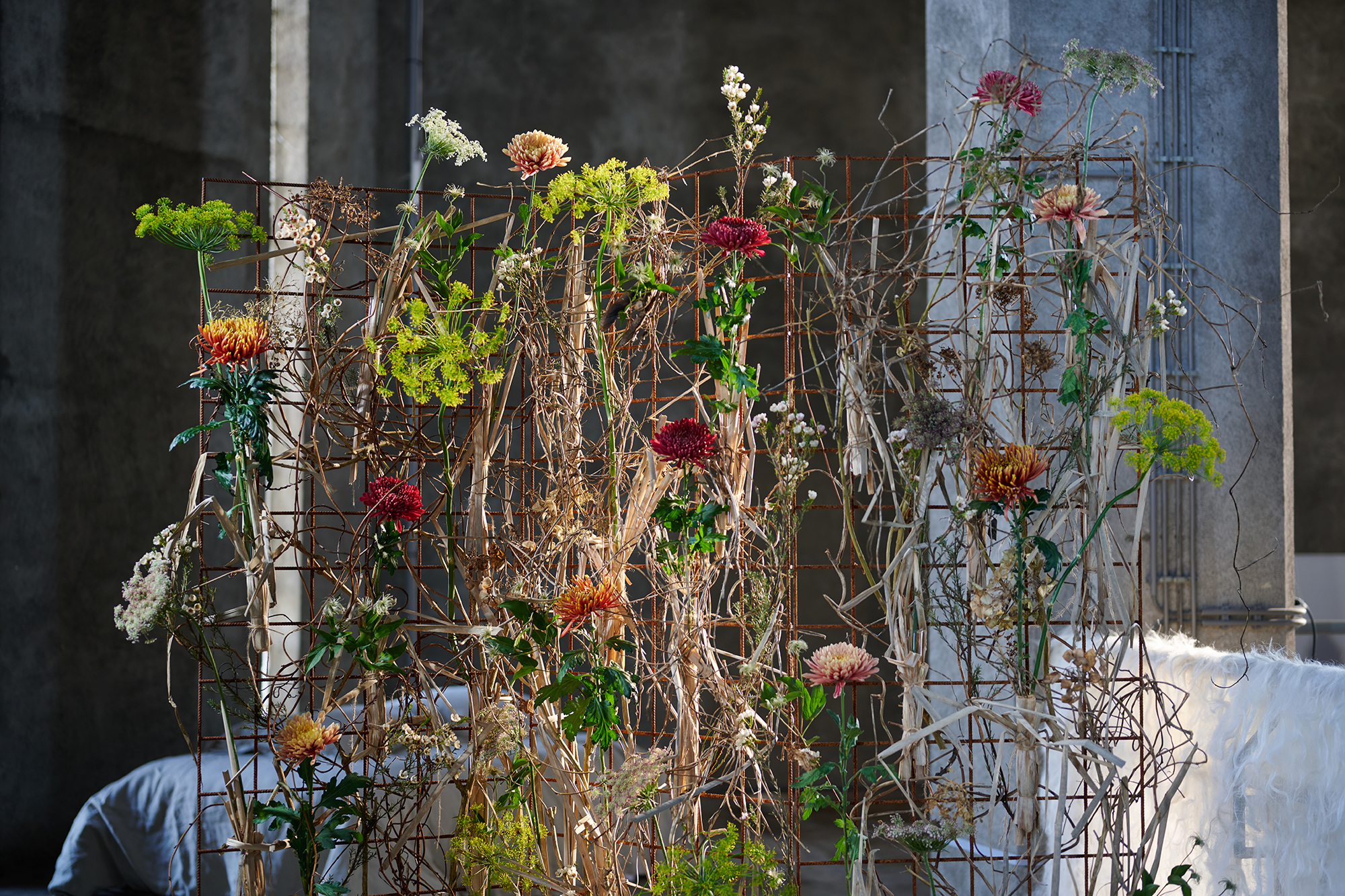
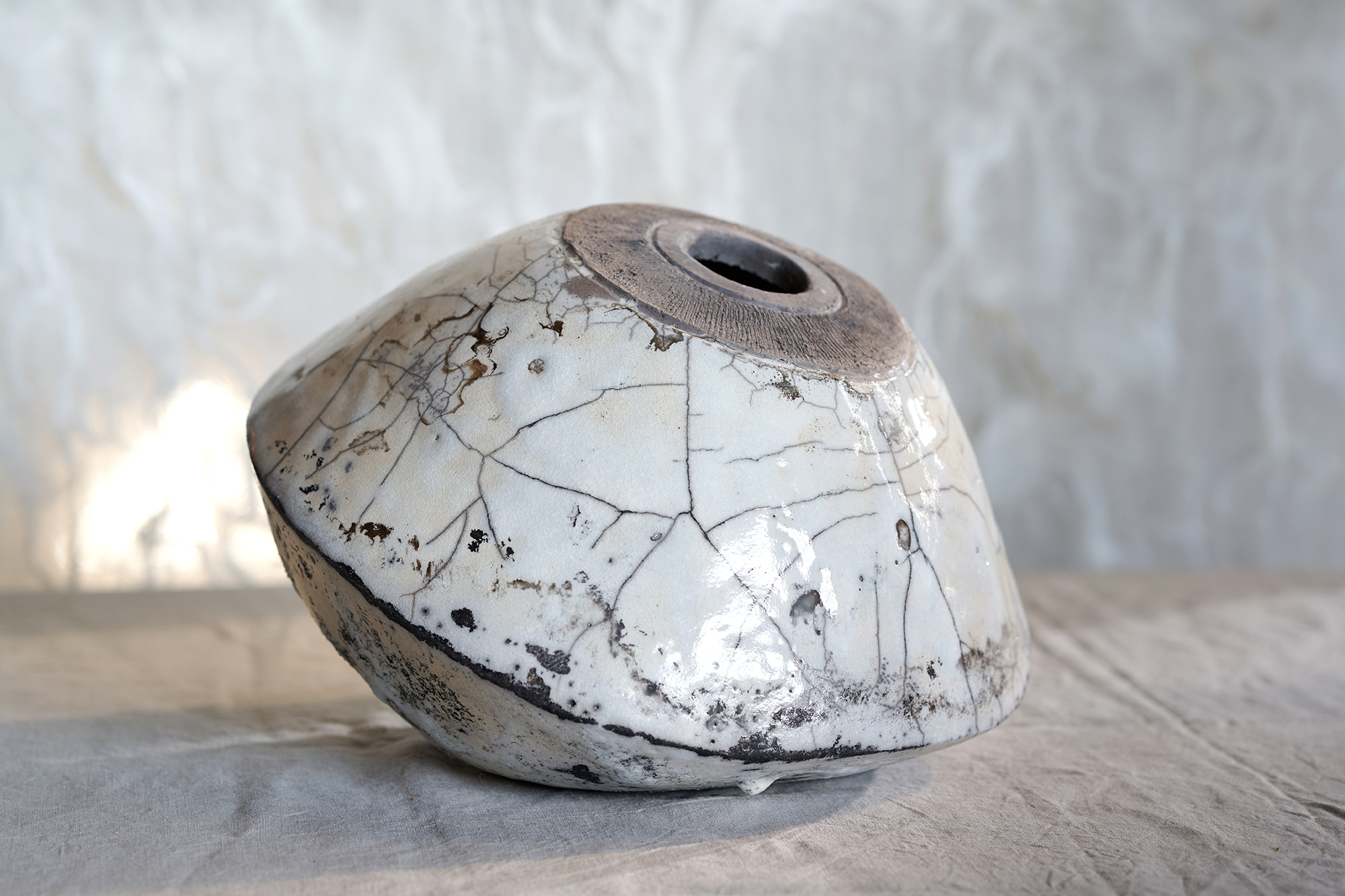
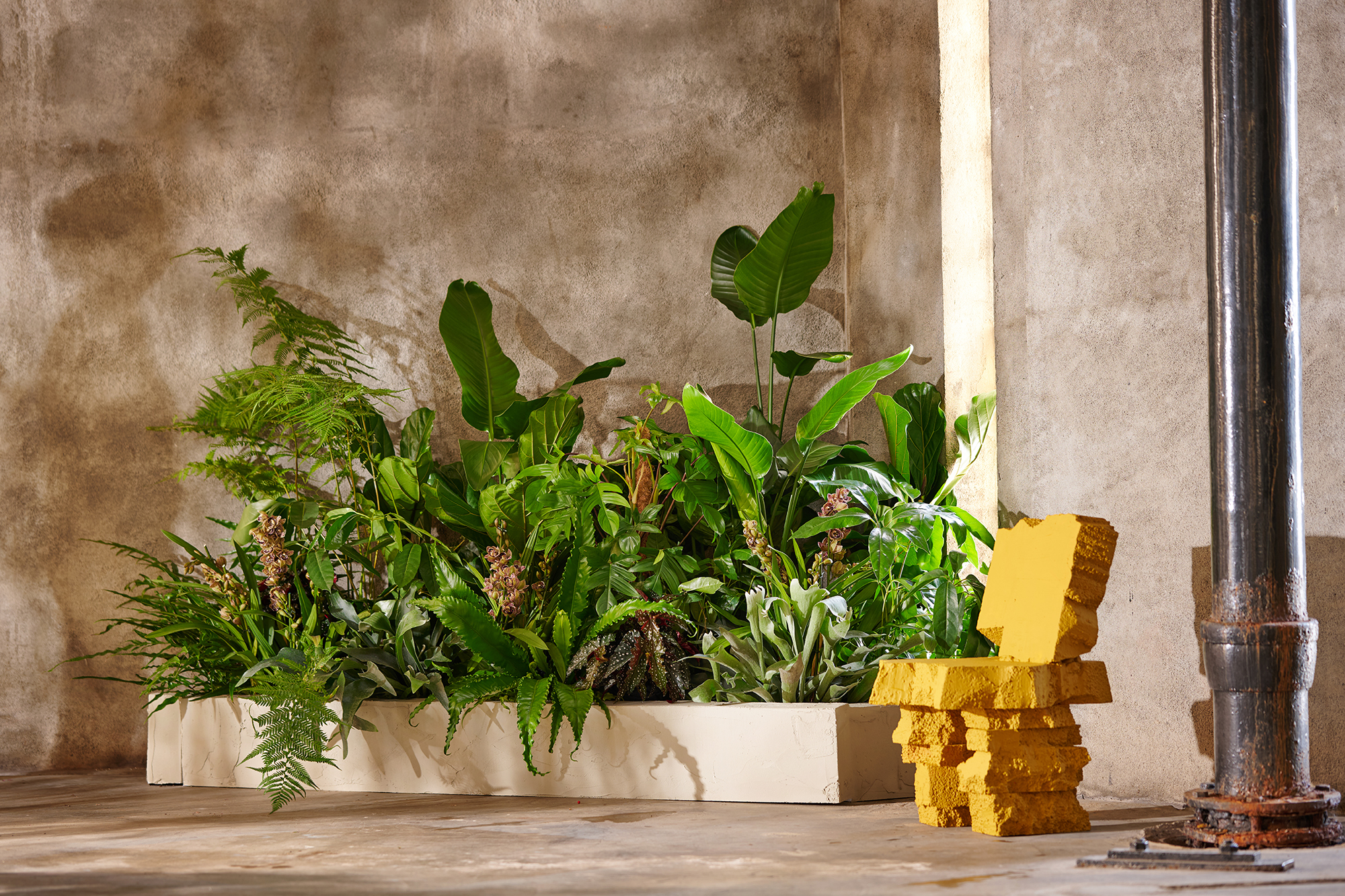
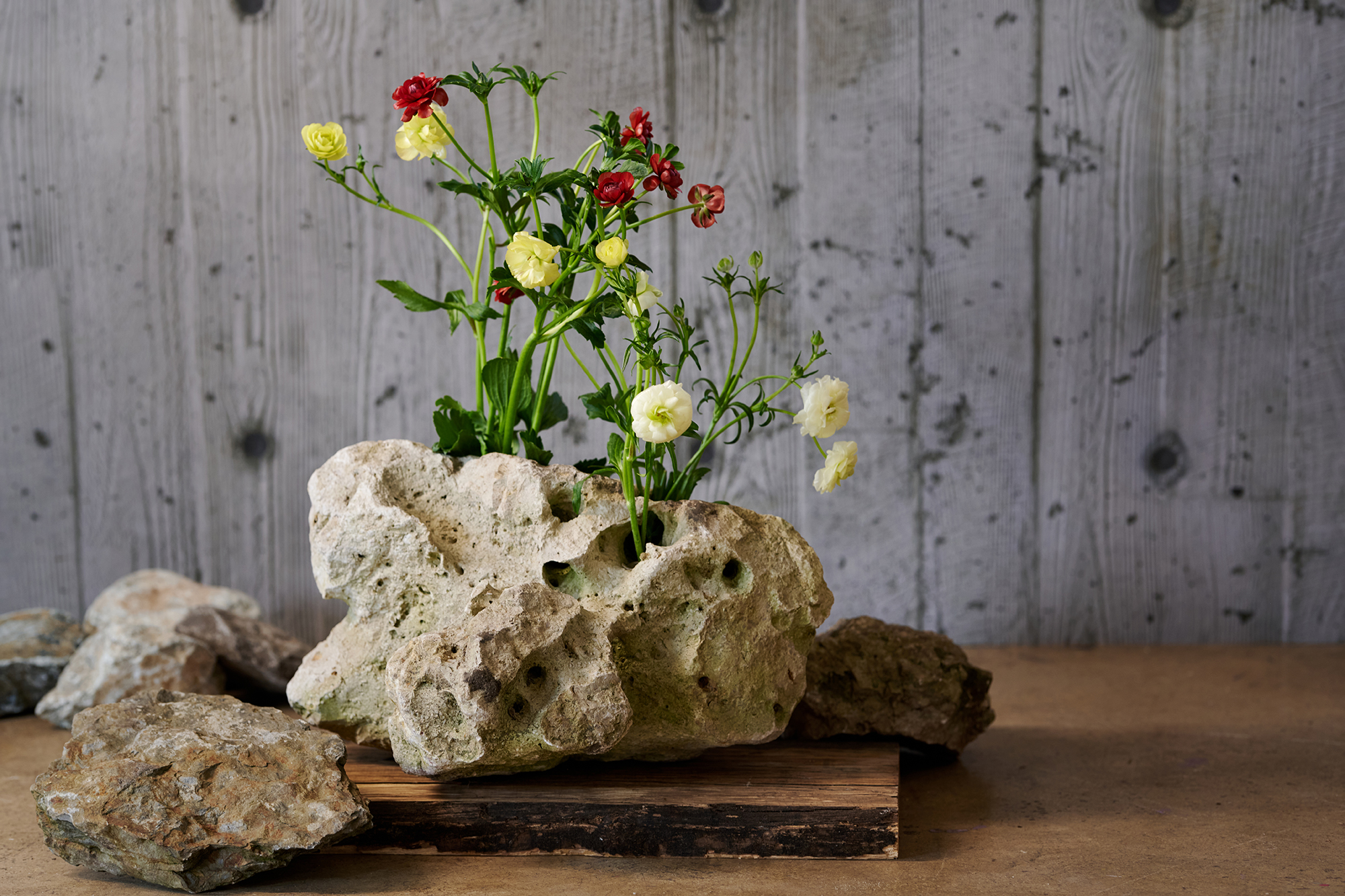
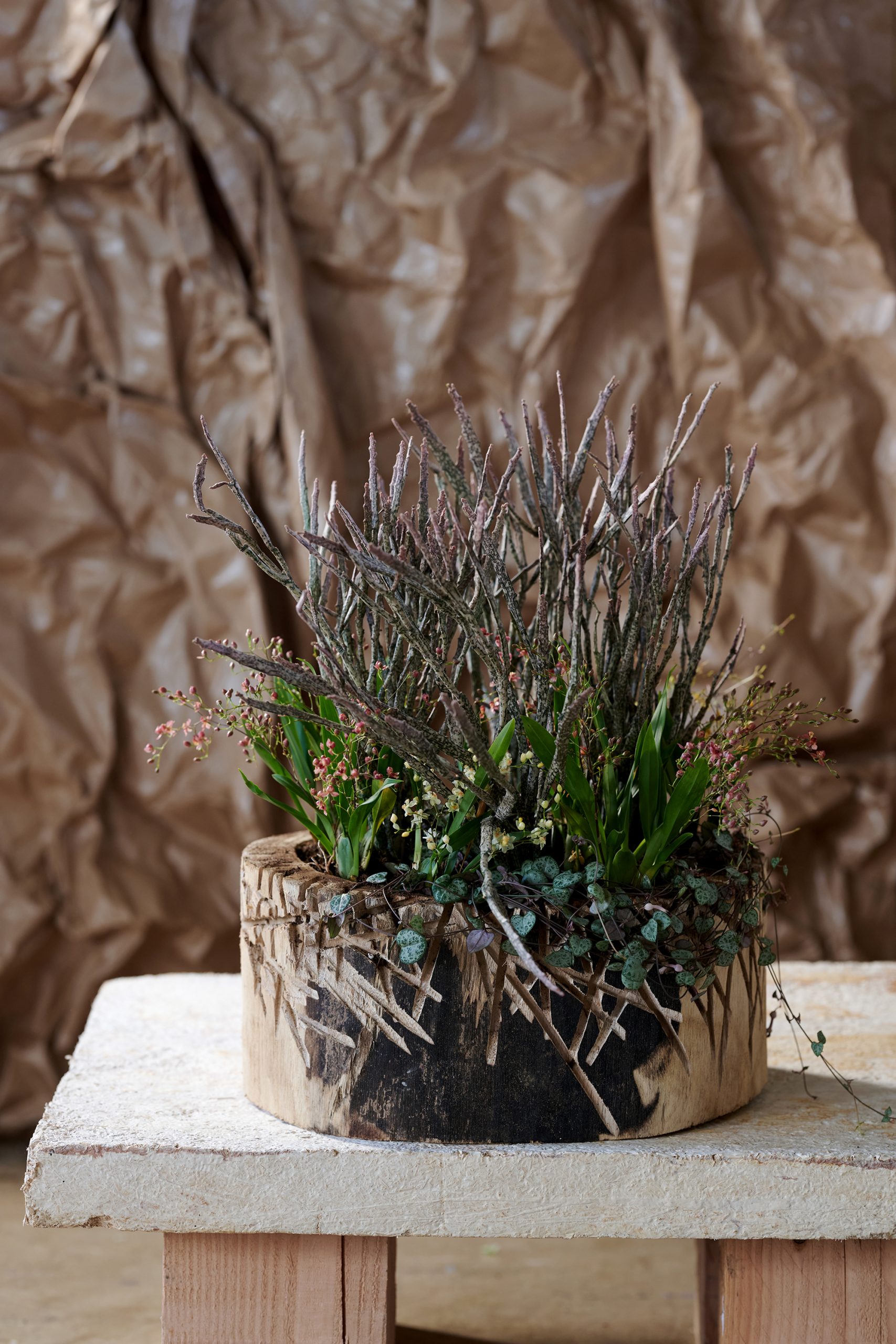
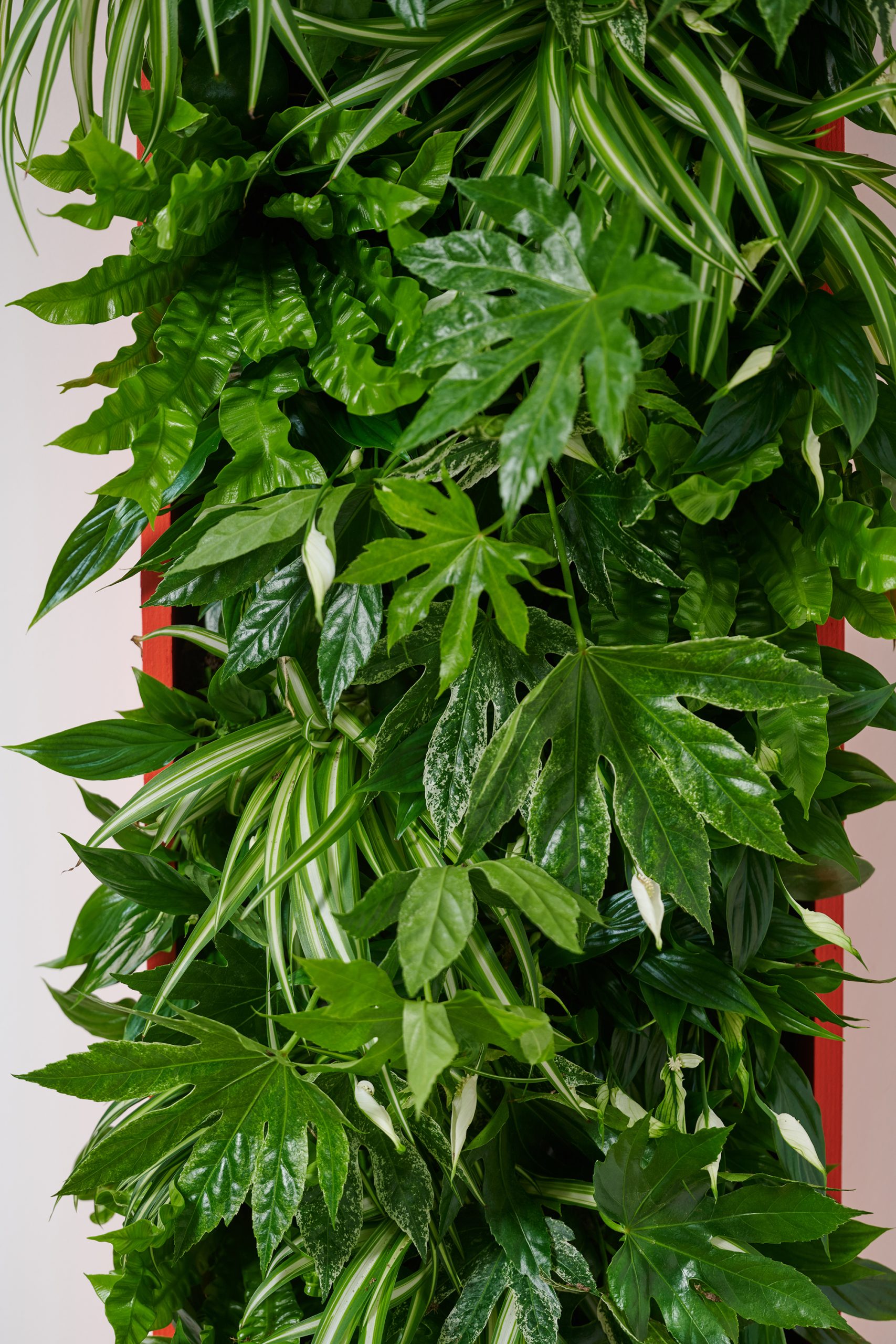
Green Brutalism brings us back to raw materials: stone, concrete, earth, and unfinished surfaces. Flowers and plants are not “tamed,” but rather left as they are.
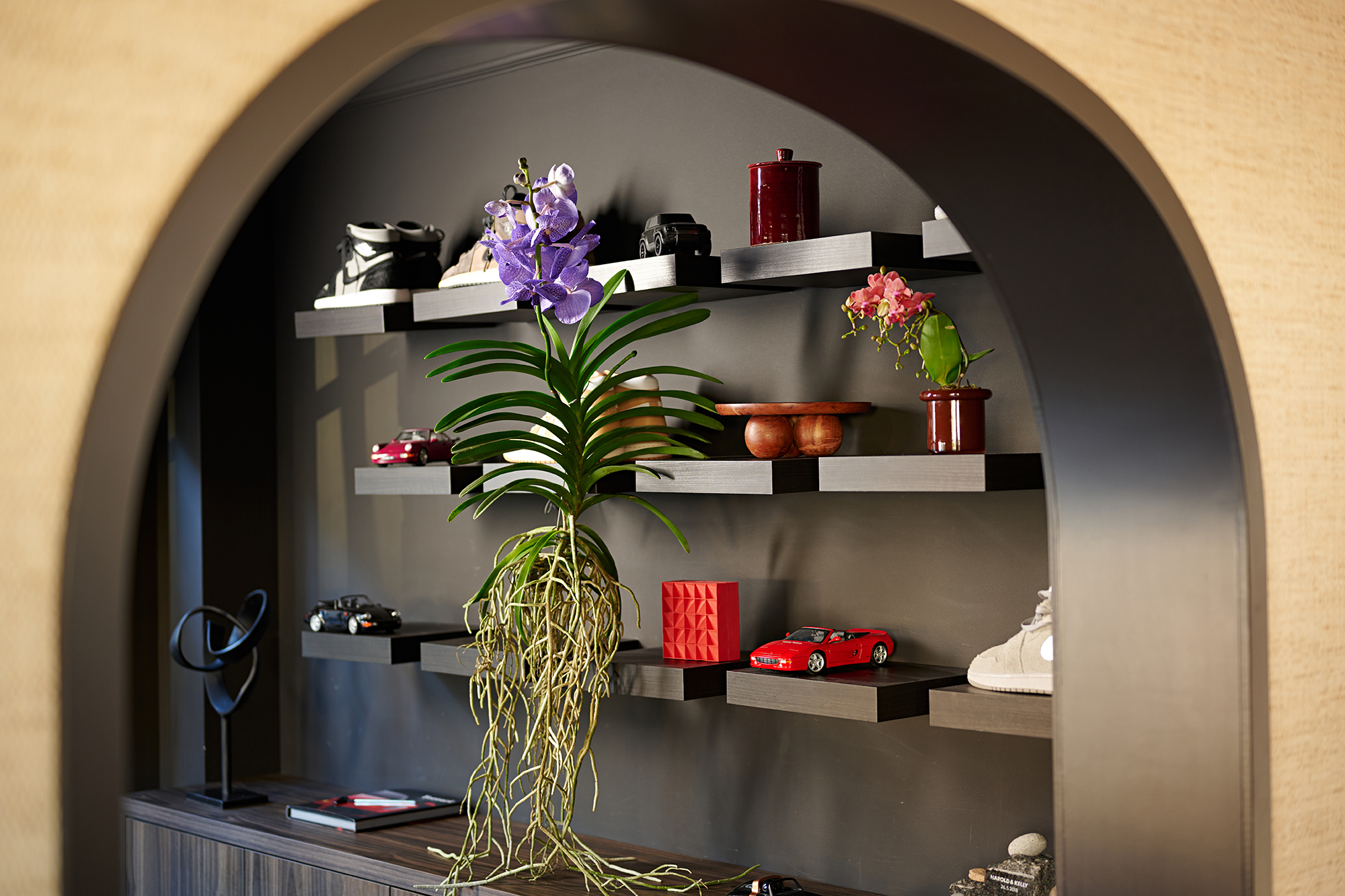
In floral design, this means less attention to detail and more focus on texture and materials. Grasses, branches, roots, and natural forms take center stage. The arrangements sometimes appear almost haphazard, yet their strength lies precisely in their simplicity.
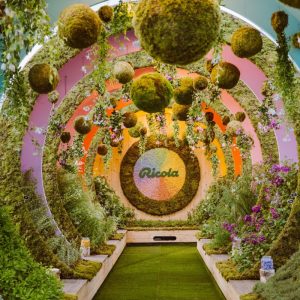
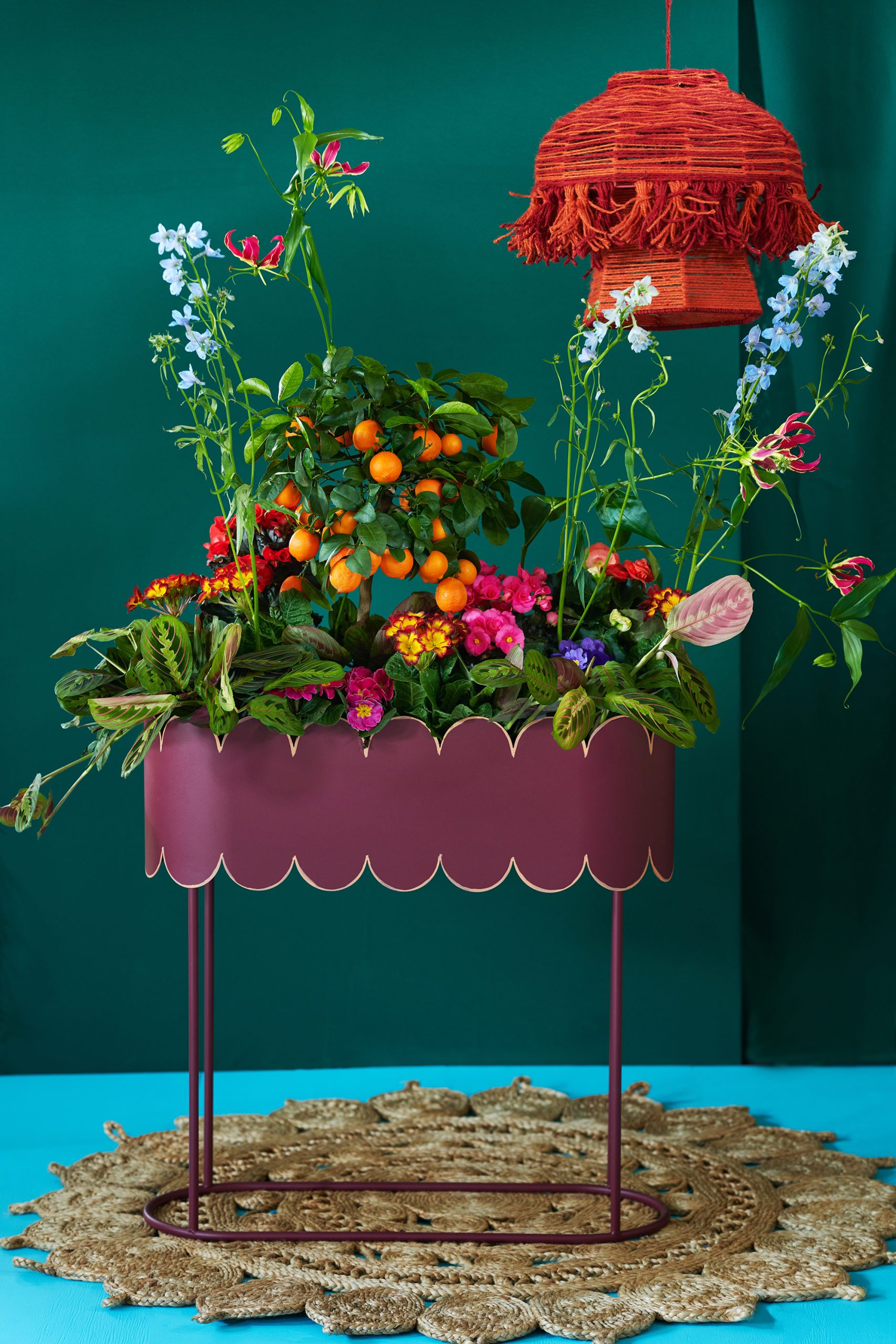
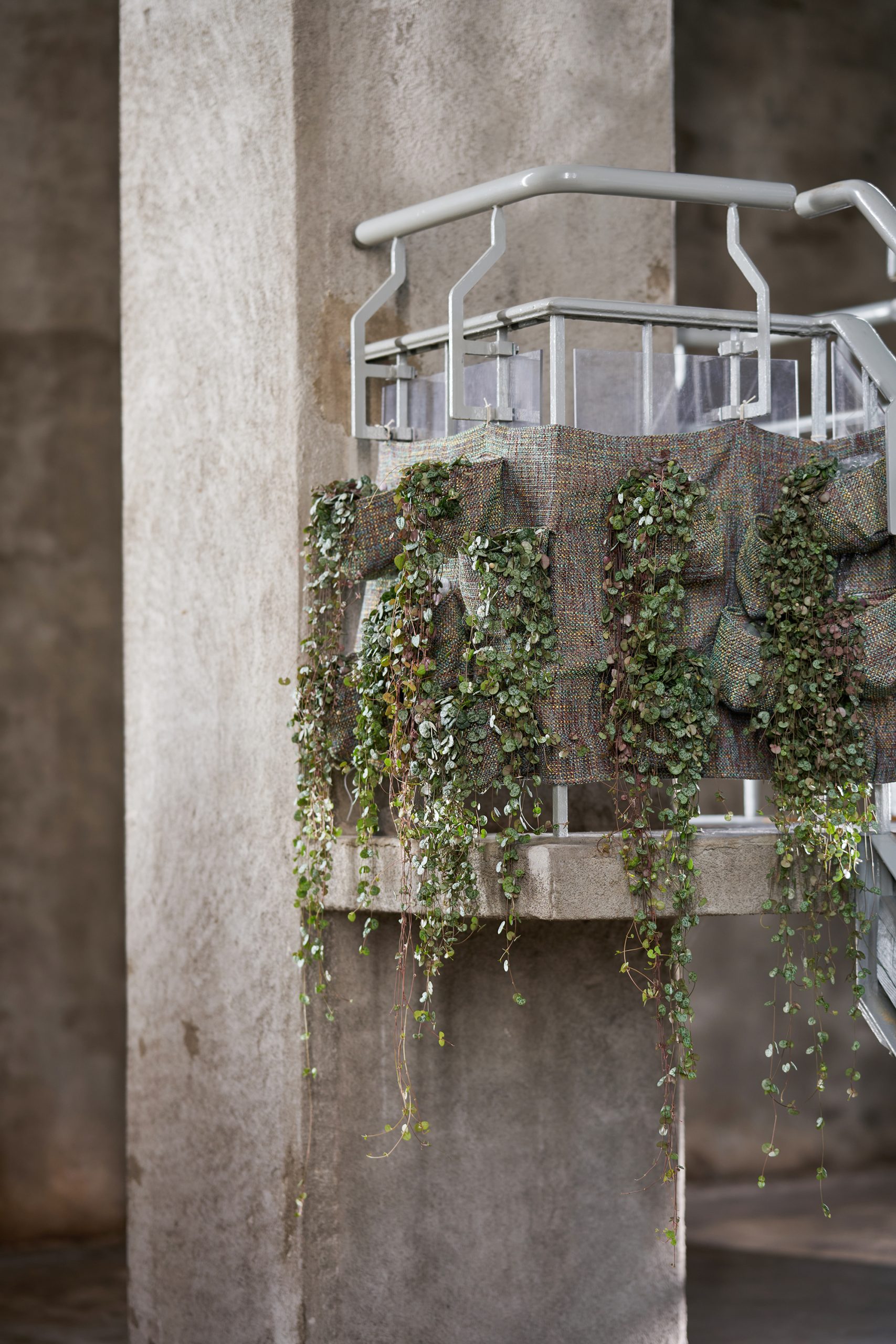
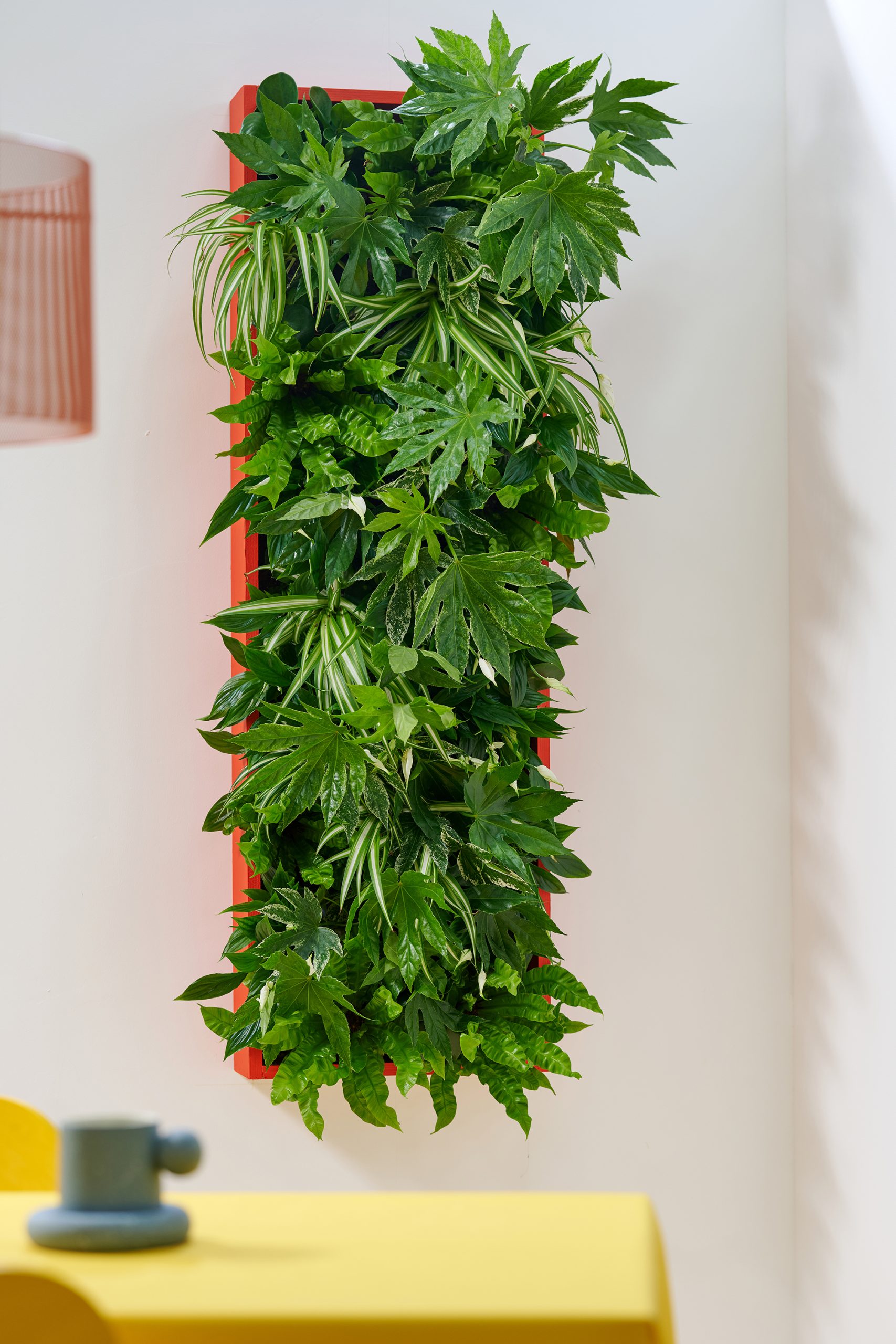
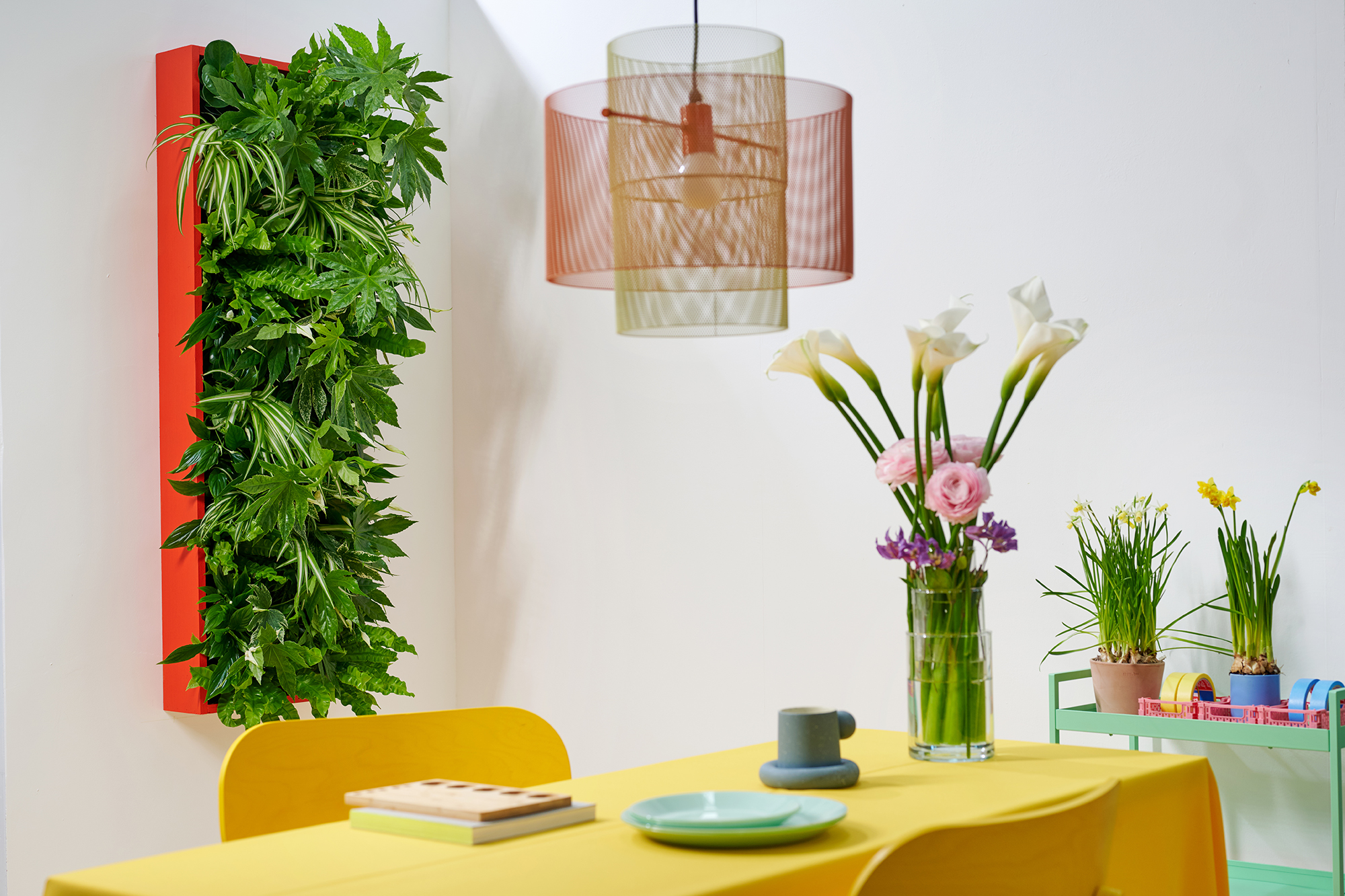
Here, too, the function of the work shifts: from decorative to sensory. It’s about feeling, experiencing, and being present. This is reflected in applications where greenery becomes an integral part of the space—as a divider, as a structural element, and as an environment rather than an object.
In uncertain times, there are also groups that are determined to move forward. They don’t see technology, innovation, and new ideas as a threat, but as an opportunity.
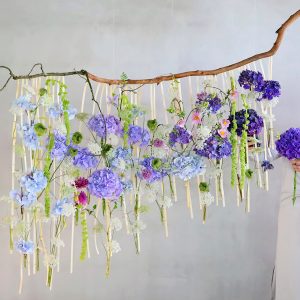
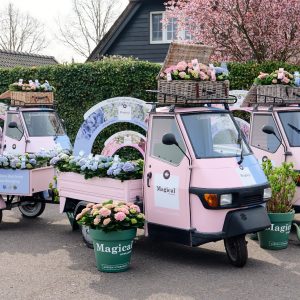
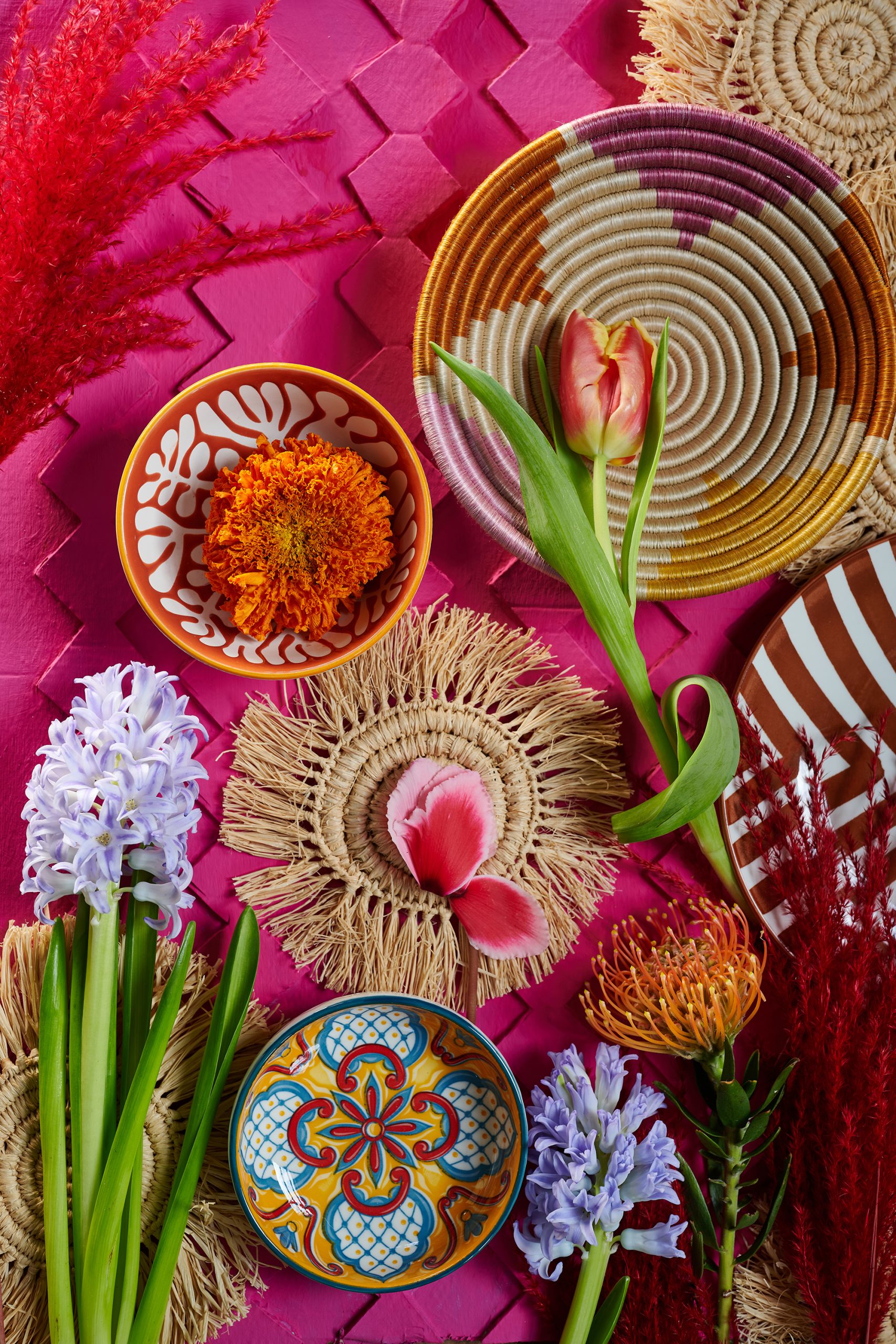
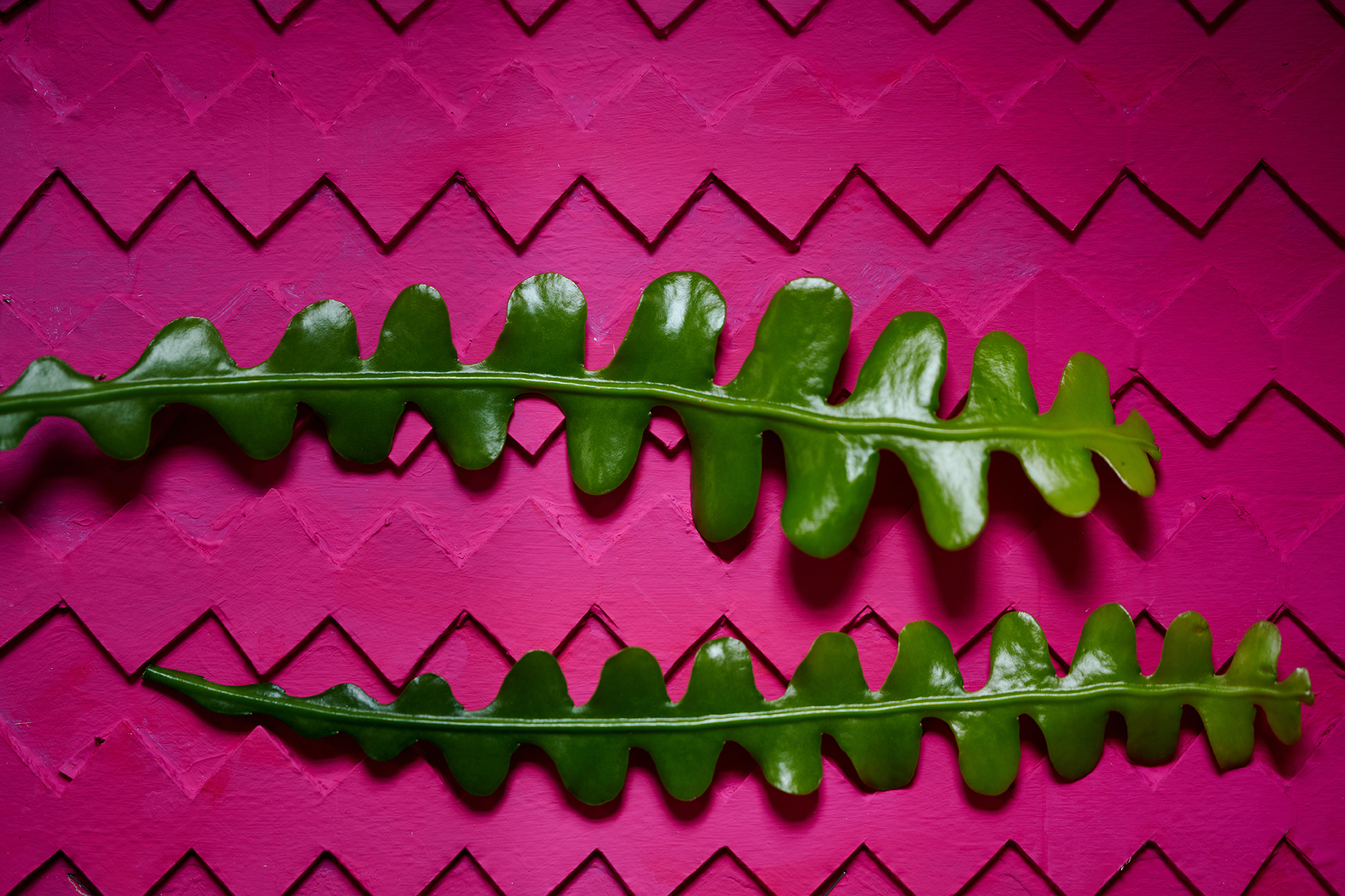
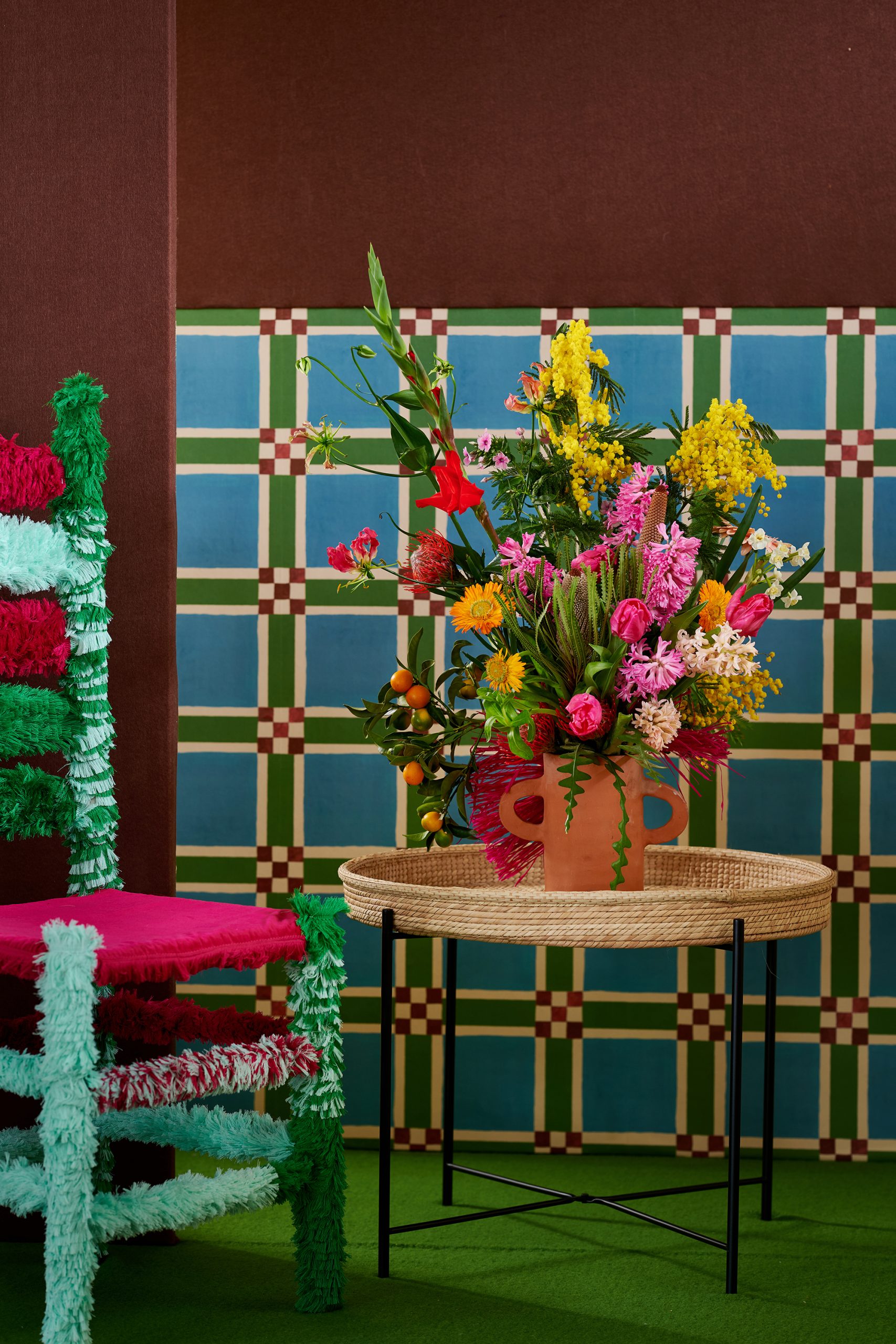
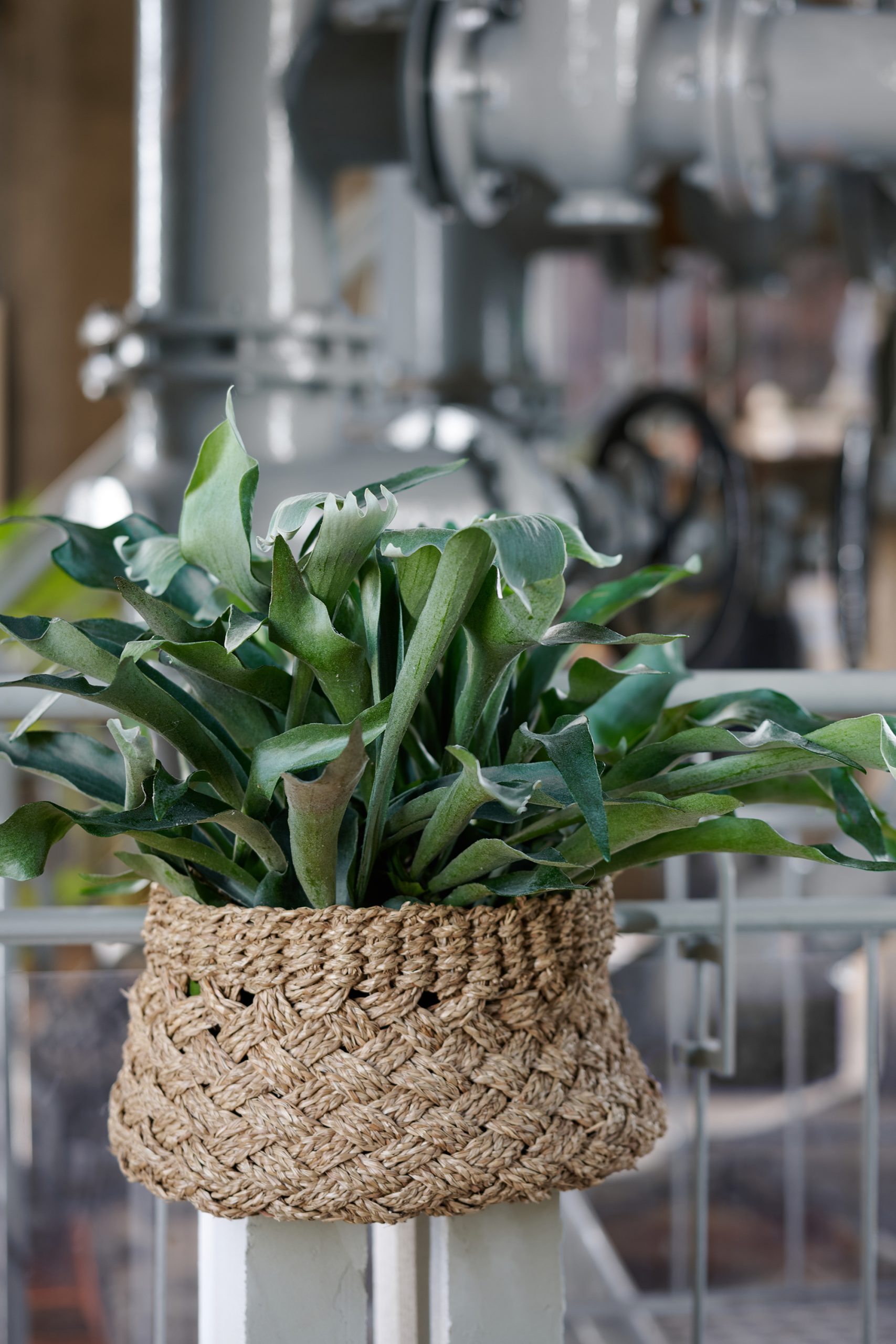
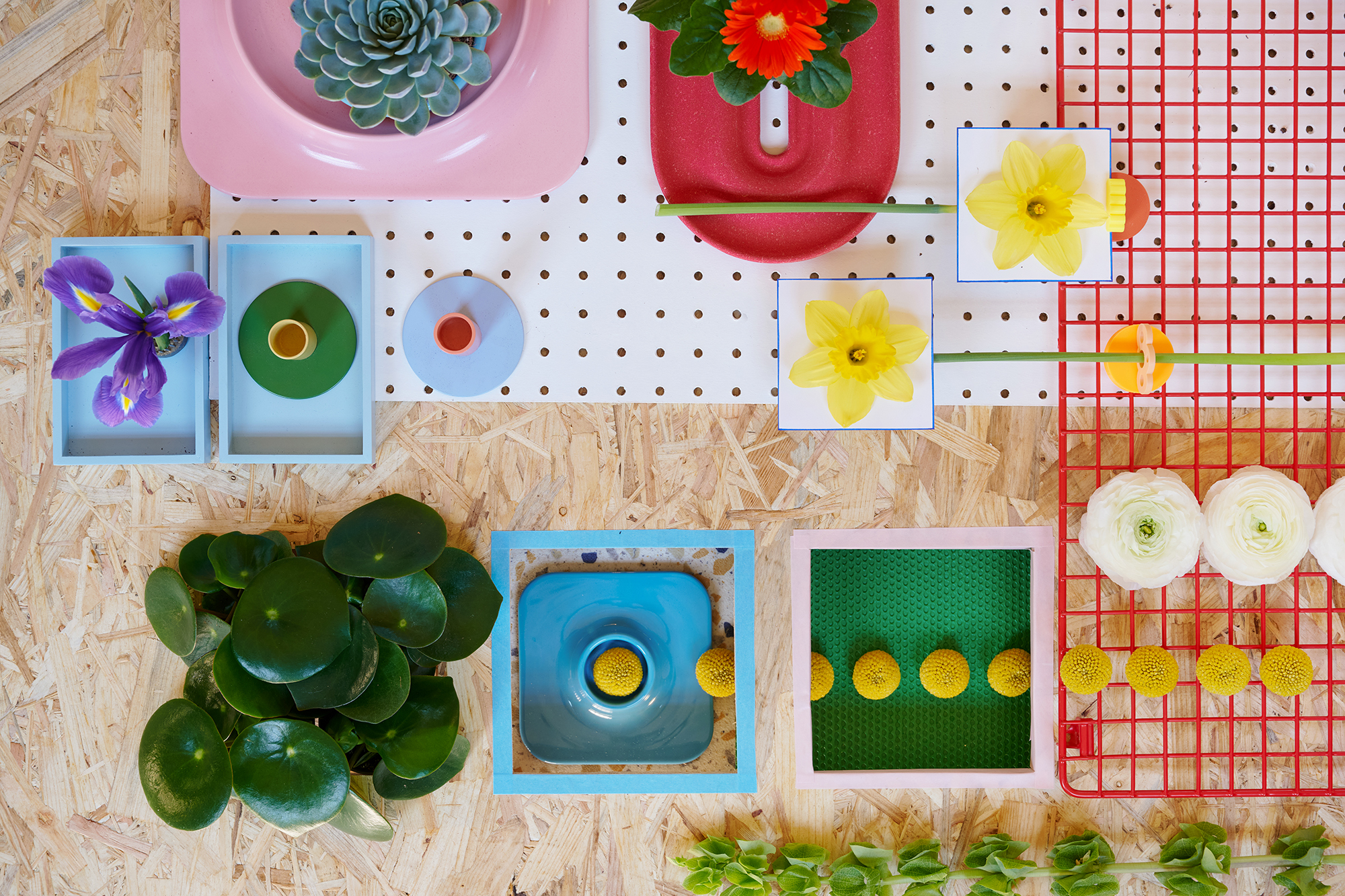
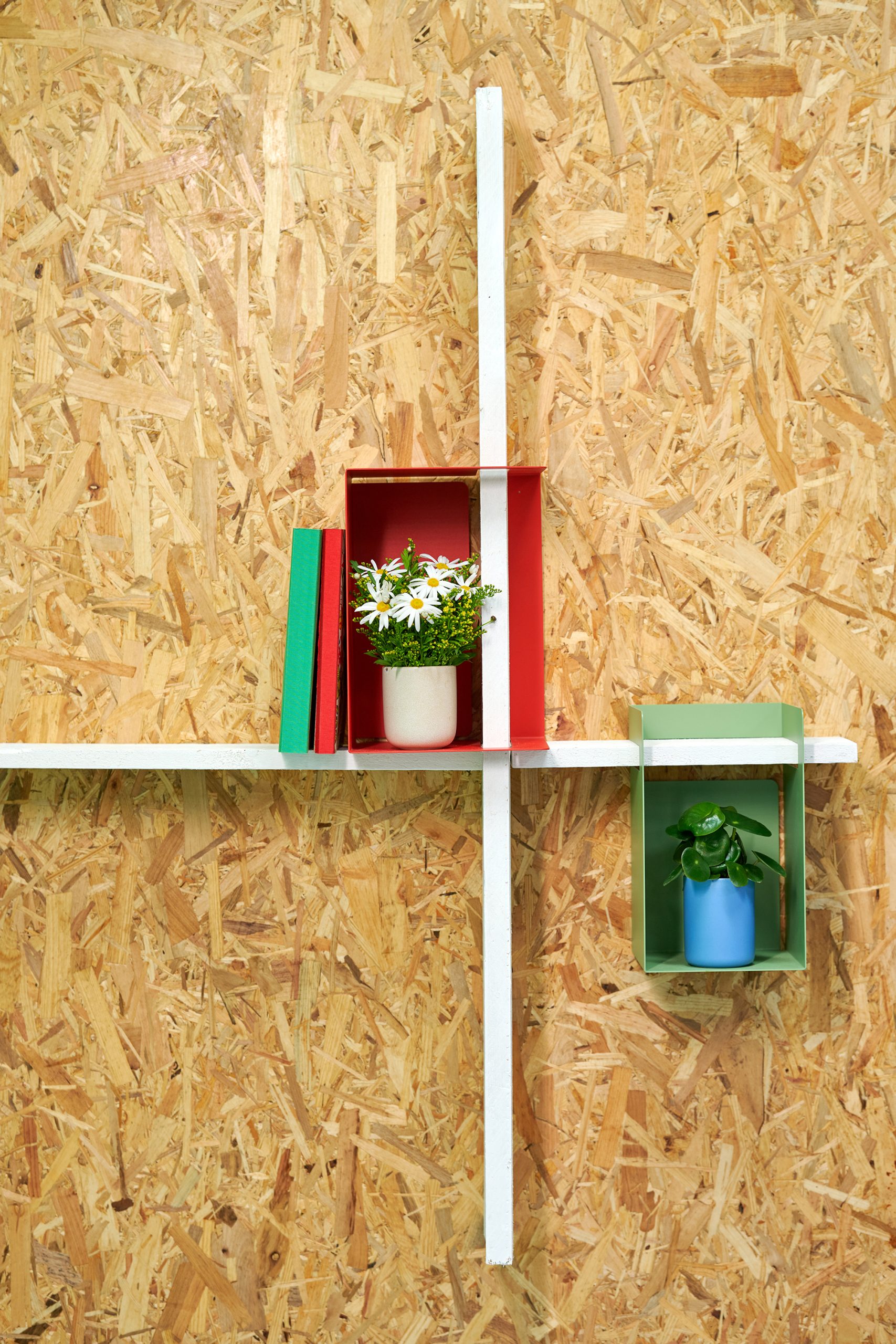
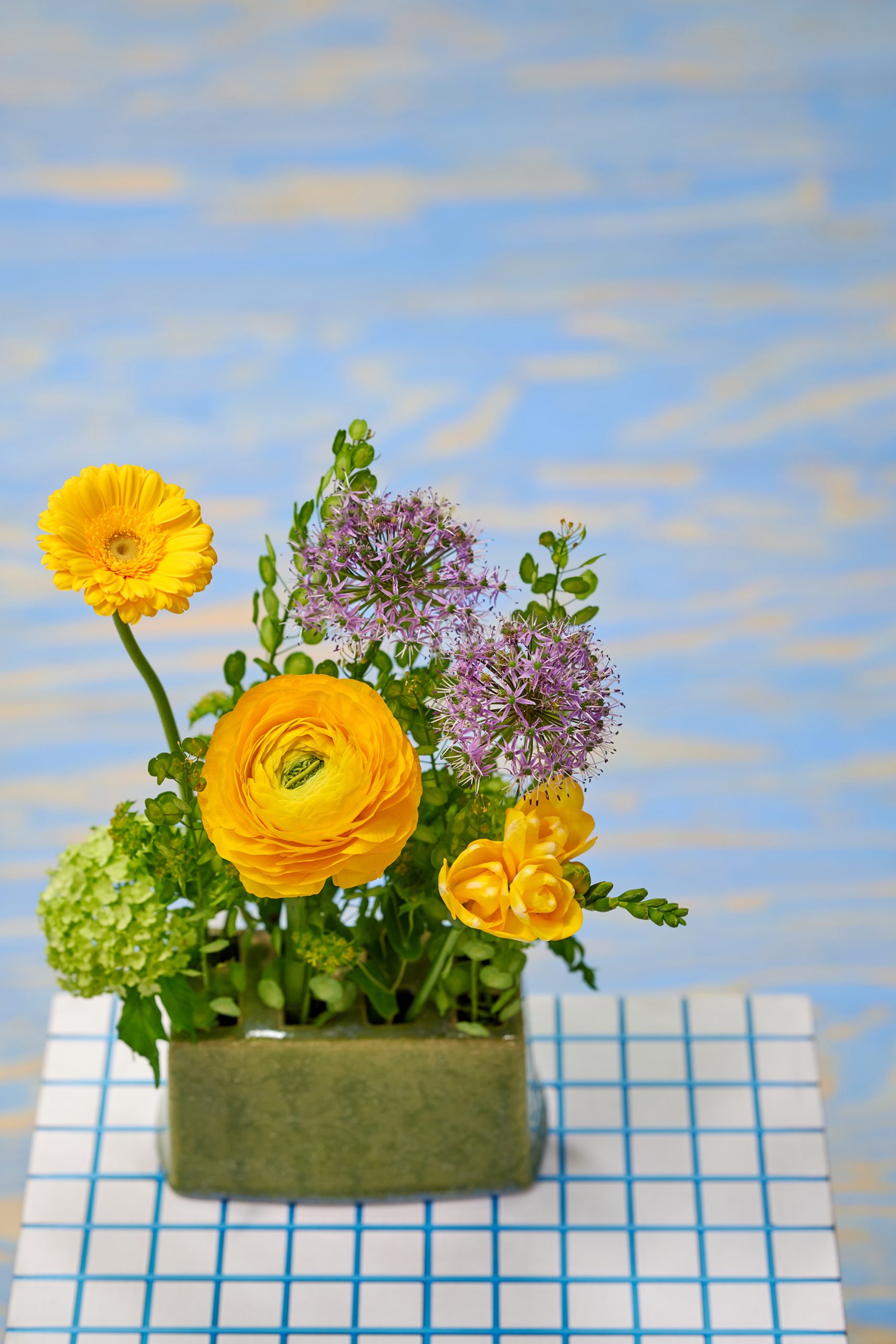
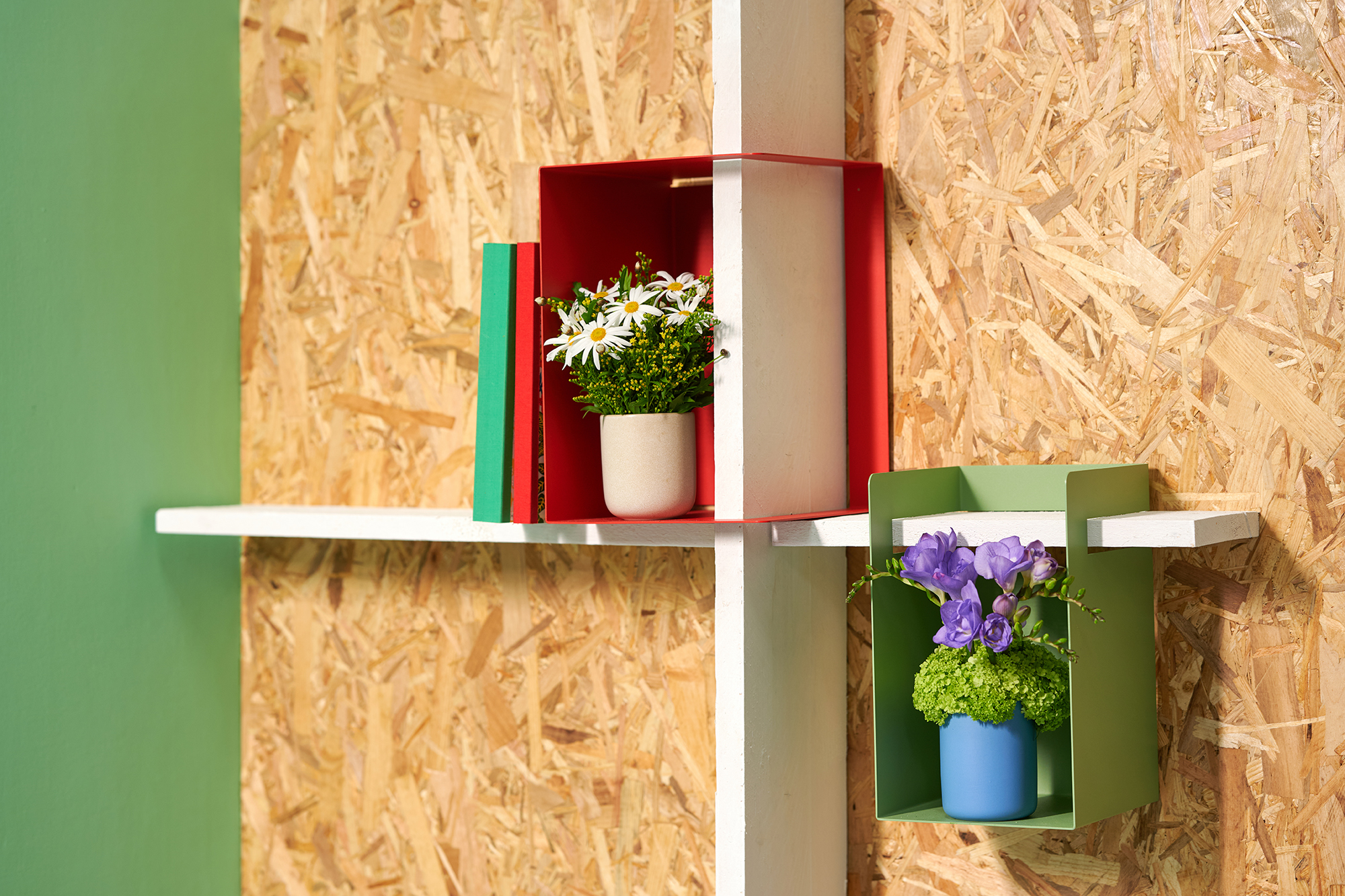
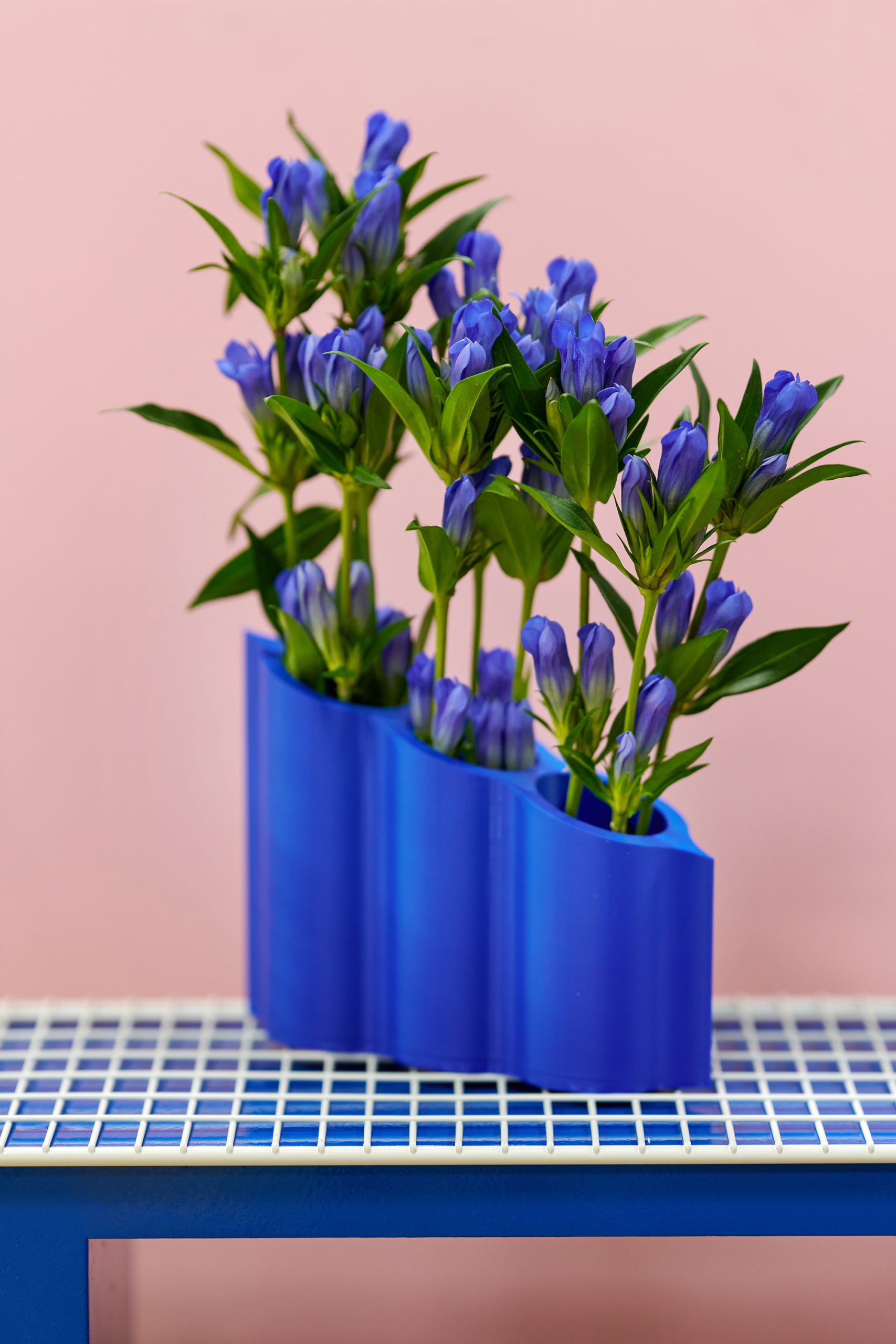
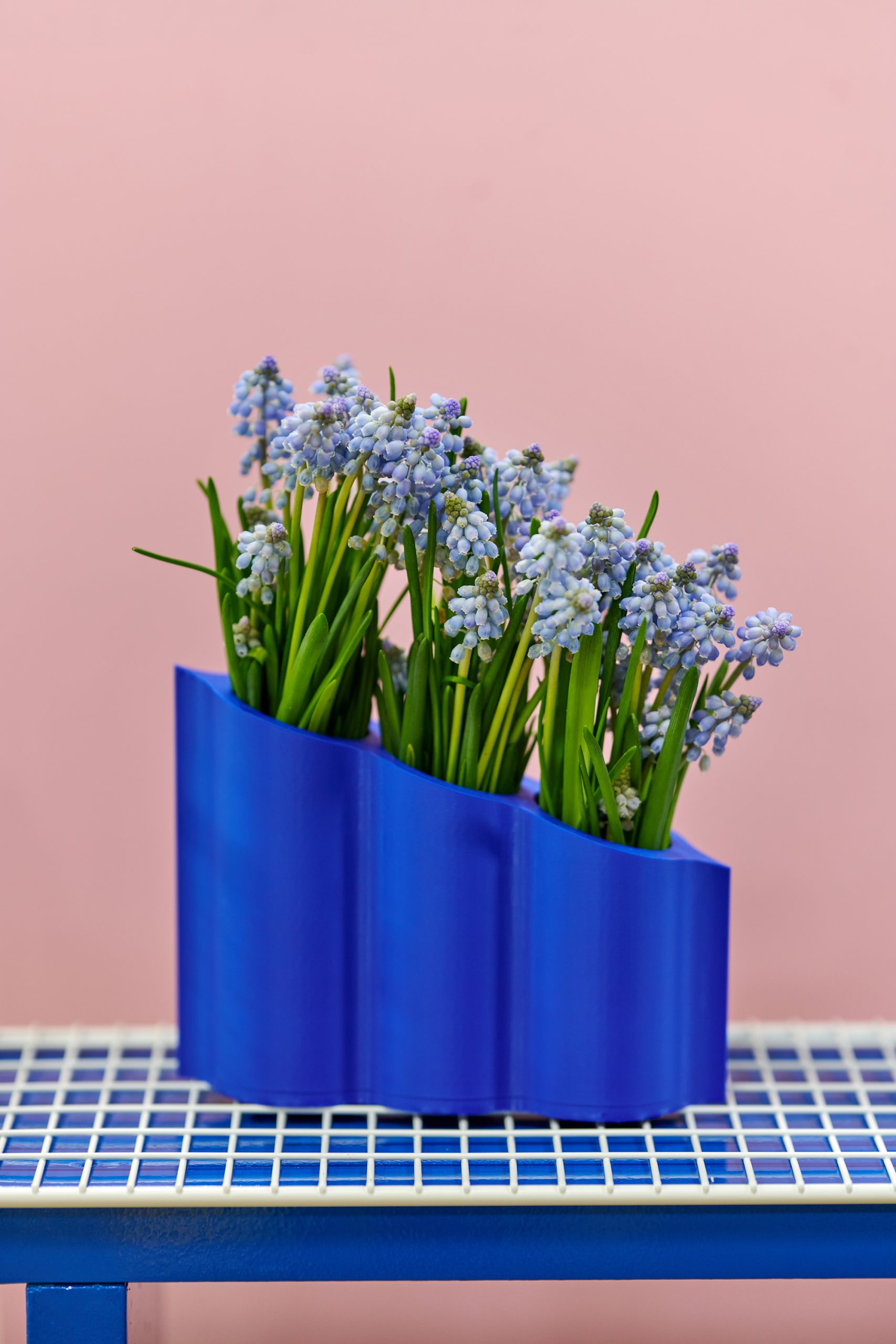
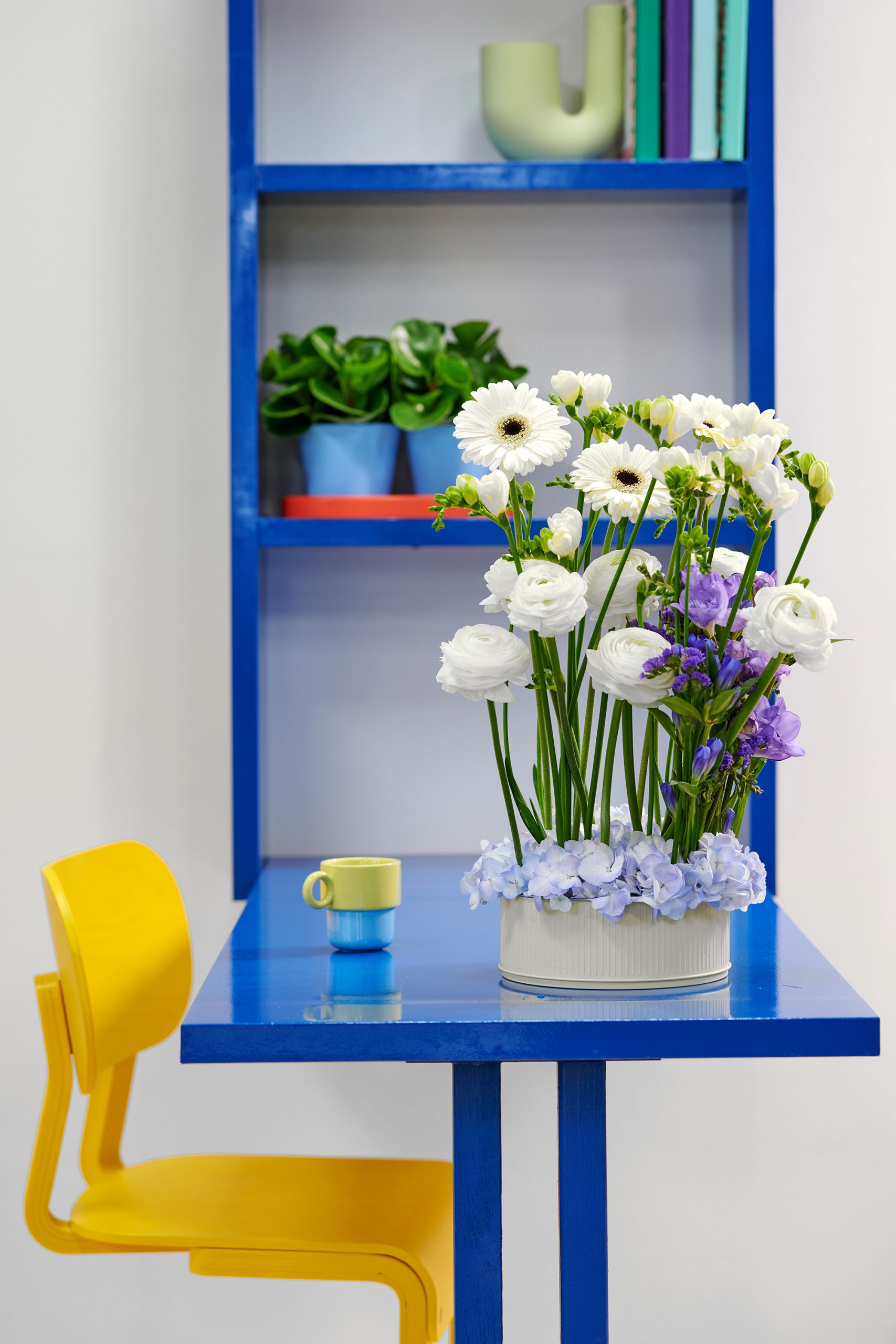
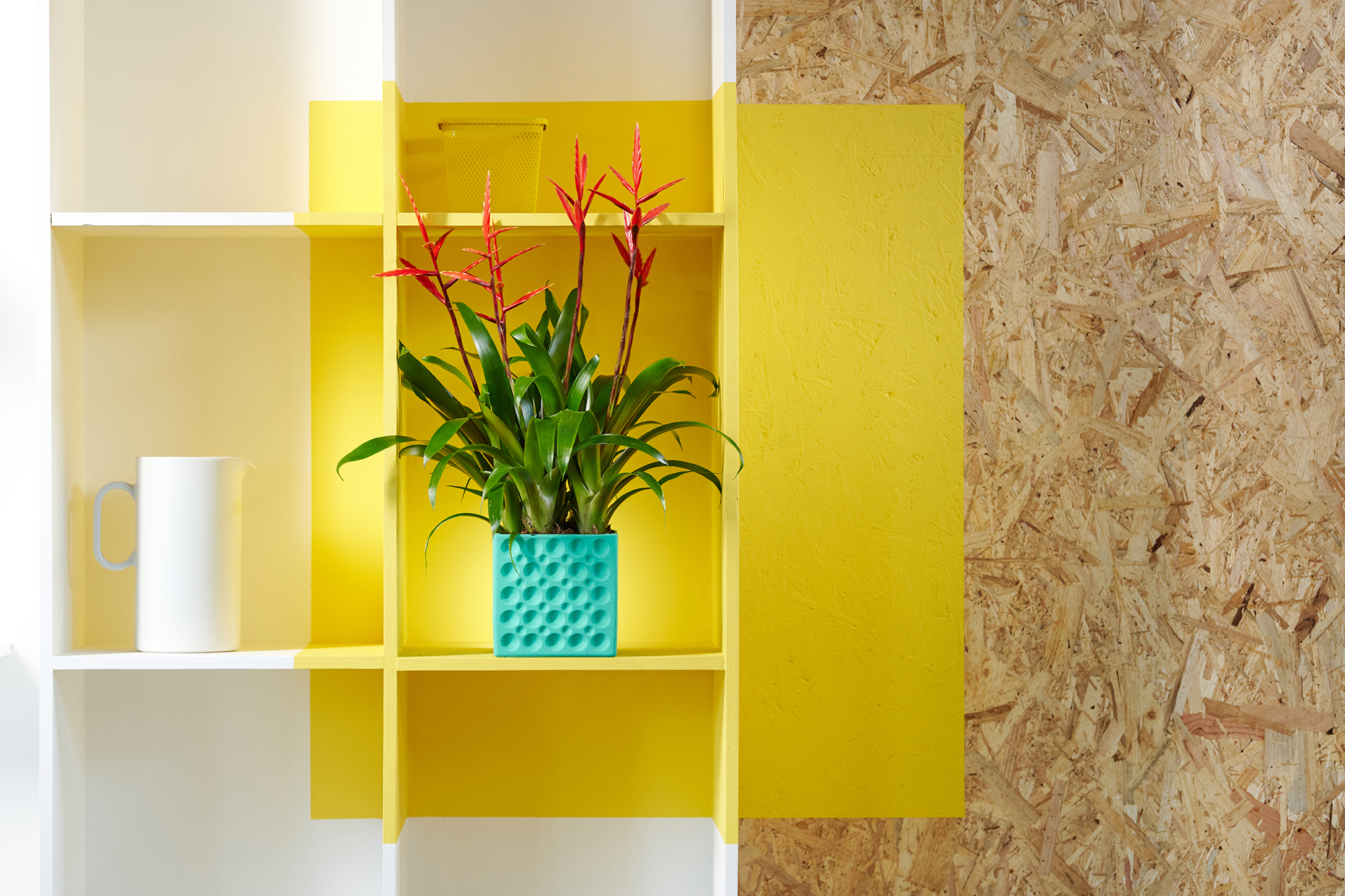
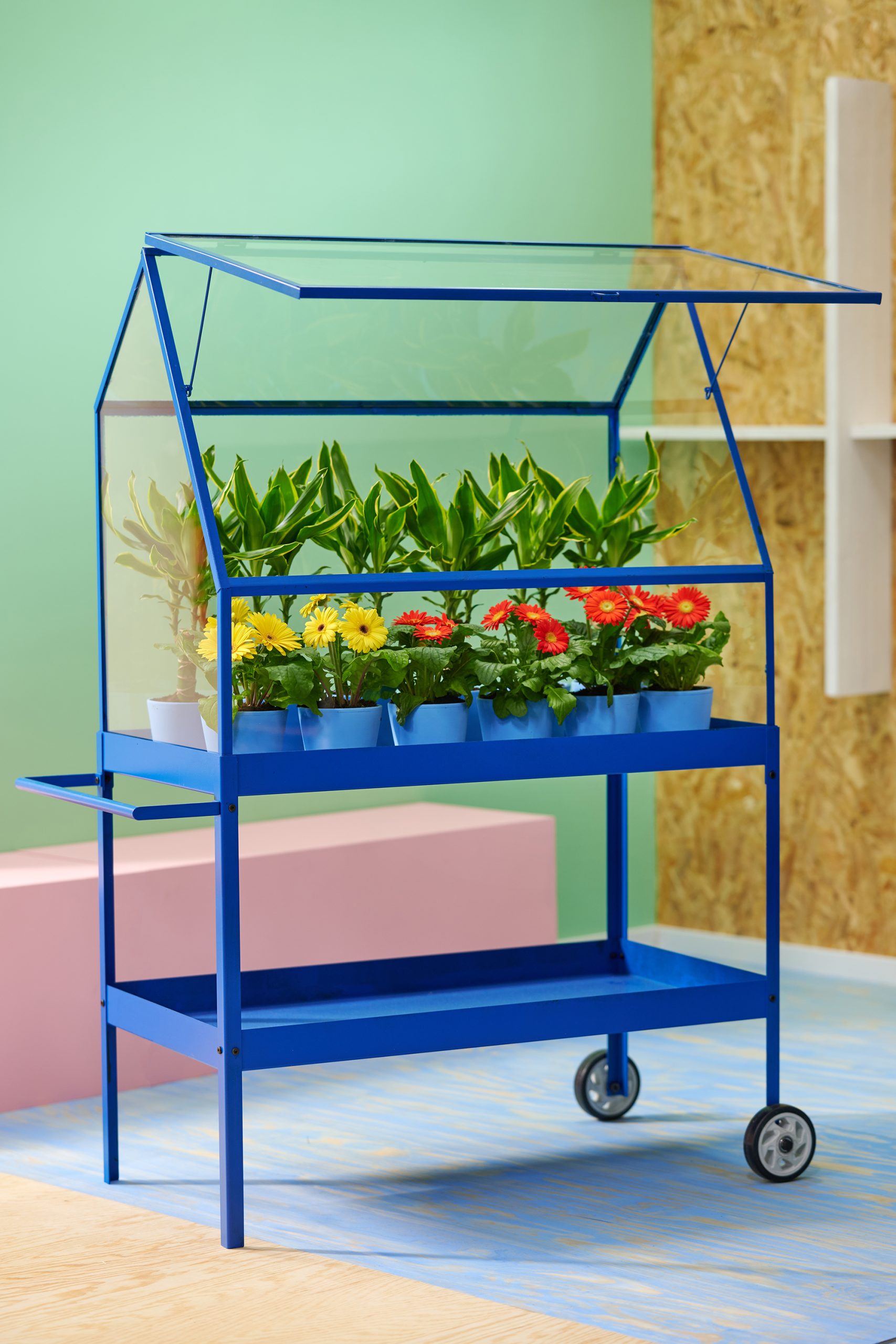
New Order combines structure with playfulness. Clean lines, geometric shapes, and a modular design create a sense of order, while color and materials keep it light and airy.
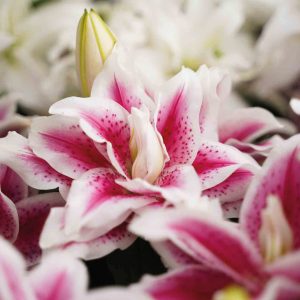
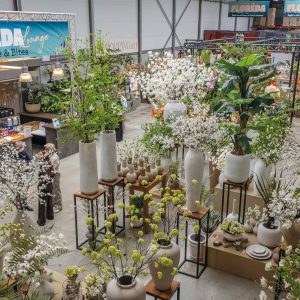
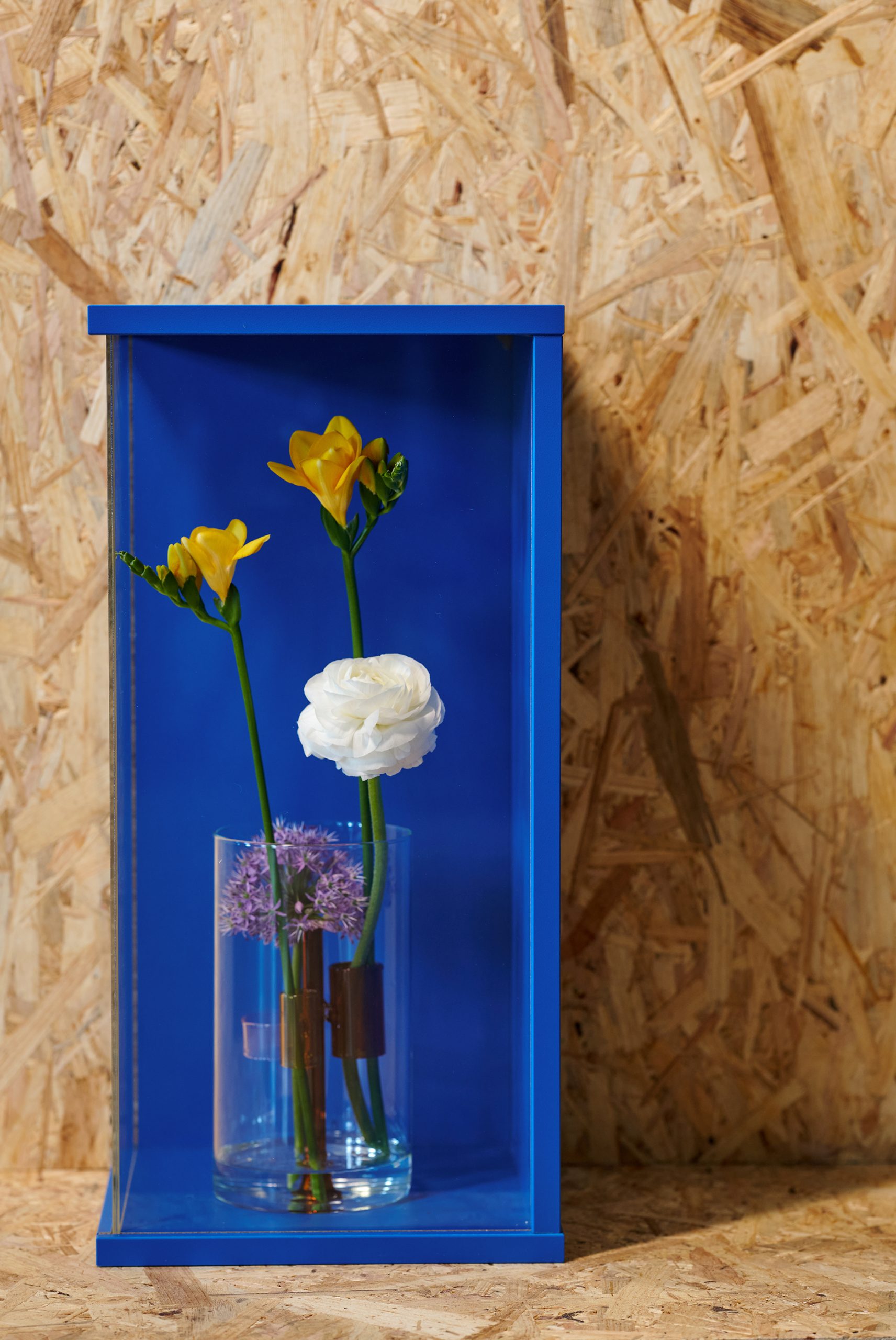
In floral design, this is reflected in arrangements where the flowers remain clearly visible, yet within a defined structure. Grid patterns, frames, and repetition play a role, as do combinations of natural and industrial materials.
The color scheme is fresh and bold, yet not overwhelming. Bright hues are combined with soft, natural colors. The overall effect is open and inviting.
In practice, the real opportunity here lies in experimentation: different ways of presenting, unexpected combinations, new techniques, or applications. Not everything has to be finished or perfect; it can also be an exploration.
These four approaches do not blend easily. Those who prioritize tranquility make different choices than those who focus on luxury and self-expression. And those who experiment playfully operate on a different logic than those who place the greatest emphasis on connection and narrative.
That is precisely where the value of these trends lies. They don’t provide a checklist, but rather force you to take a stance. It’s not about trying to do everything at once, but about deciding: what do you embrace, and what do you consciously leave behind? That choice creates coherence in your visual identity, product range, and way of working.